- March 19, 2026

-
-
Loading
Loading
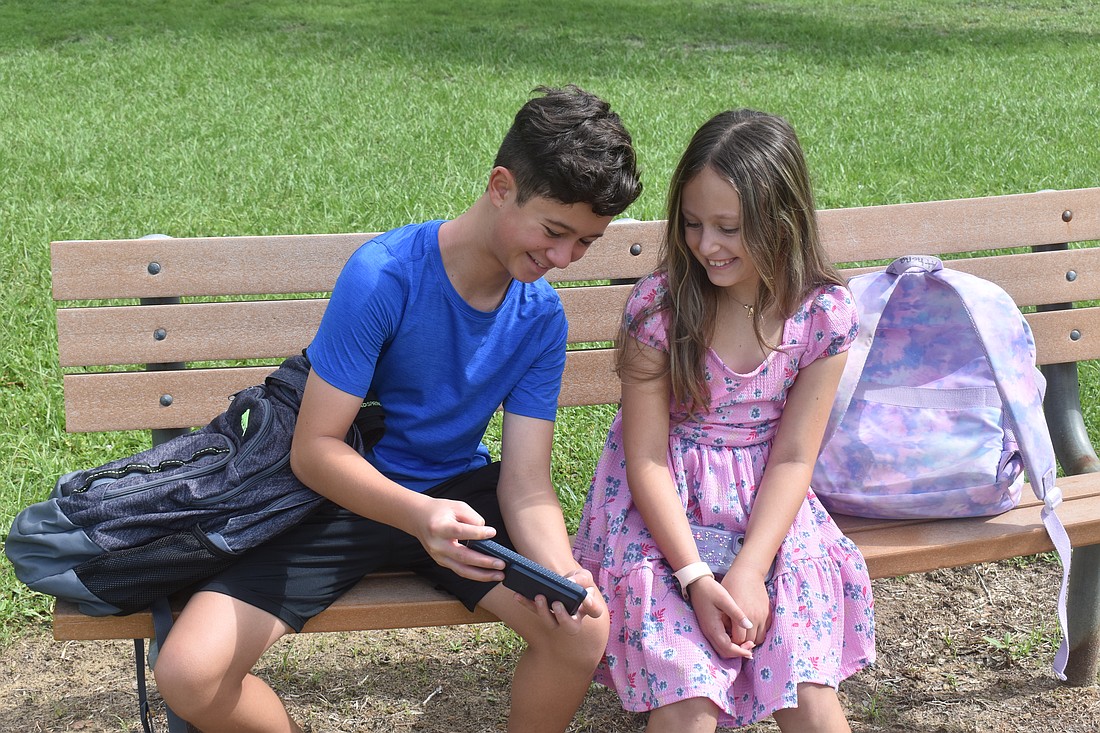
Lakewood Ranch’s Peter Hotaling, an eighth grader at R. Dan Nolan Middle School, has had a phone for four years. He utilizes his phone for many things, including social media and playing online games with his friends.
The fun stuff came into play when his teachers at Nolan would award phone time to students on occasion if they completed all of their necessary work or basically had good behavior.
“It was nice being able to do those things,” Hotaling said. “It was like a breath of fresh air almost, in between work, work, work, but now we can’t do that.”
Because of an electronic device policy enacted by the state, per House Bill 1105, elementary and middle school students are prohibited from cell phone use during school hours. All devices — phones, tablets, smart watches— must be turned off and stowed away all day, including during lunch and between classes.
Prior to this bill, Deputy Superintendent of Instruction Derek Jensen said cell phone use during lunch at middle schools was based on each school’s own decision.
“It's a battle we fight with students, because it's something they want to access, either for social media or texting their friends in other classes,” Jensen said. “It's a challenge, both from behavior management in class and even test administration.”
The law is different for high school aged students, who can't use them during instructional time unless they get an OK from the teacher. High school students can use cell phones in designated areas.
Nicol Hotaling, Peter’s mother, said she is not against the new policy as she sees both pros and cons.
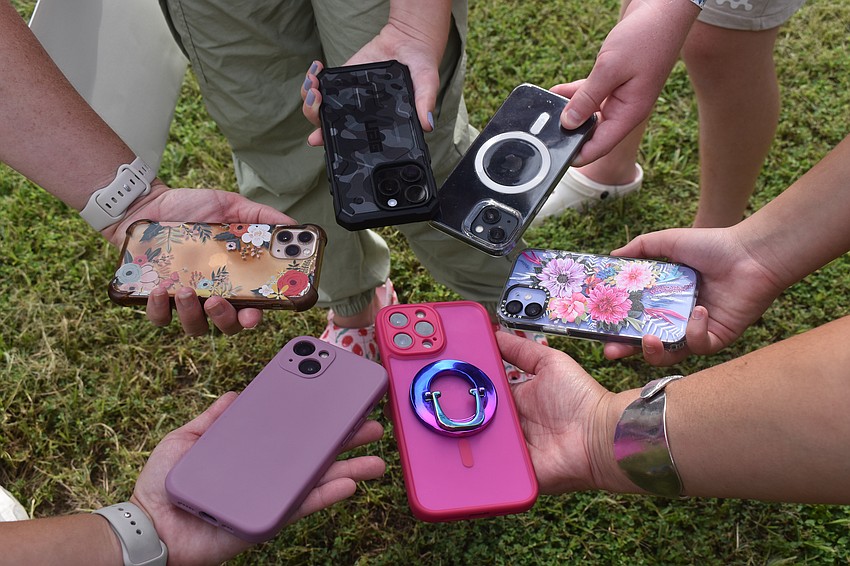
“You love (her kids having phones) because it allows you to feel comforted because you know where your kids are and there’s all these things now (like Life 360) where you can basically track them like a super spy,” Nicol Hotaling said. “But at the same time, it’s addicting.”
Nicol Hotaling said her only concern is that her son can use his phone after school in case he need to stay after for an activity or a storm changes their pickup plans.
“That’s the only thing I’d worry about because I don’t want to have to search for him for half an hour,” Nicol Hotaling said.
Nicol Hotaling also has a daughter Athena who is a fourth grader at Robert E. Willis Elementary School. Athena said she doesn’t care that she won’t be able to use her phone because she should be learning instead.
“She has an understanding of the capabilities of the phones and she enjoys utilizing it quite often, so for her to tell me she doesn’t care to have it during the day is interesting,” Nicol Hotaling said.
School Board Member Heather Felton supports the restrictions for cell phone use for elementary and middle schools.
“The students at that age are so impressionable, they will go down rabbit holes,” Felton said. “We need to remove that from them when they're in a classroom environment.”
Felton said using phones at the high school level at a teacher's discretion is a valuable learning experience, as technology is a crucial part of the professional world with things like Zoom, office emails and timecards. She described cell phones as “an encyclopedia in the palm of their hand.”
Felton said not every student has access to their own school-provided computer and there are often carts of computers that are shared throughout the schools.
“We are such a pace-driven society now, with testing and all those other things in education,” Felton said. “We don't have the time to go spend an hour or two in the media center for kids to take turns using the computers there or to try to look things up in books. We don't have the time.”
Brielle Short is a junior at Lakewood Ranch High School. She said the use of cellphones over the provided Chromebooks is useful in the case of research, especially for history class.
“Half the websites you try to get on are regular websites that are restricted,” Short said. “It makes it a lot harder to research things for school, so the majority of the time you have to do it outside of school.”
“We have modern Promethean boards, big TVs in our classrooms and we have modern laptops and devices in our classrooms,” Jensen said. “If the teacher wants to use technology in the classroom, we're going to find a way to make it happen.”
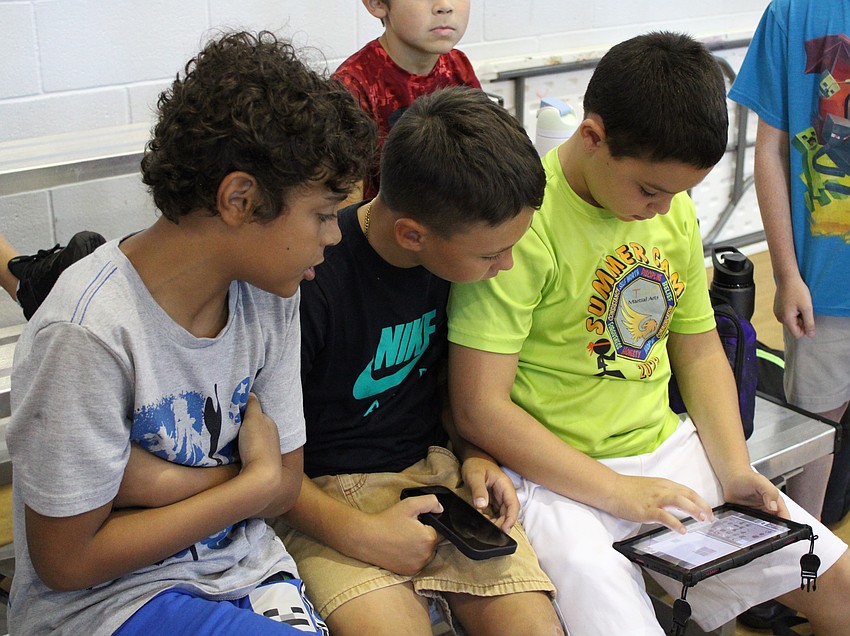
Maria Korns is a seventh grade English teacher at R. Dan Nolan Middle School.
“It will allow for kids not to be as distracted because they won’t have anything else to think about during the day other than instruction,” Korns said. “That’s what we’re all there to do — provide an exceptional education.”
Korns said some might be surprised at the amount of students who have told her they could go without the distraction of social media and might even prefer it. Korns doesn’t expect much backlash from parents regarding the cell phone policy due to the new expectations being communicated prior to school starting.
Interim superintendent Kevin Chapman the first week of school will be a big learning curve of reminding students and families about the new law, but said it will be okay in the end.
Lakewood Ranch resident Lyndsey Bride has two children in school — one in elementary and one in middle school.
“I like that the distractions are minimized and I like that the kids who don’t have devices aren’t left out,” Bride said. “I think there’s a lot of pros to it, so I’m pretty much in favor of it until I see something negative.”
“We have many forms of communication between teacher and parent, principal and parent, school administration and parent,” Chapman said.
Chapmain said he is excited to see what the educational data on student achievement looks like at the end of the school year with little to no phone use.
“I’m interested to see what will happen in our classrooms here in Manatee County,” Chapman said. “I’m certainly interested in watching and learning and seeing what happens next.”