- March 26, 2026

-
-
Loading
Loading
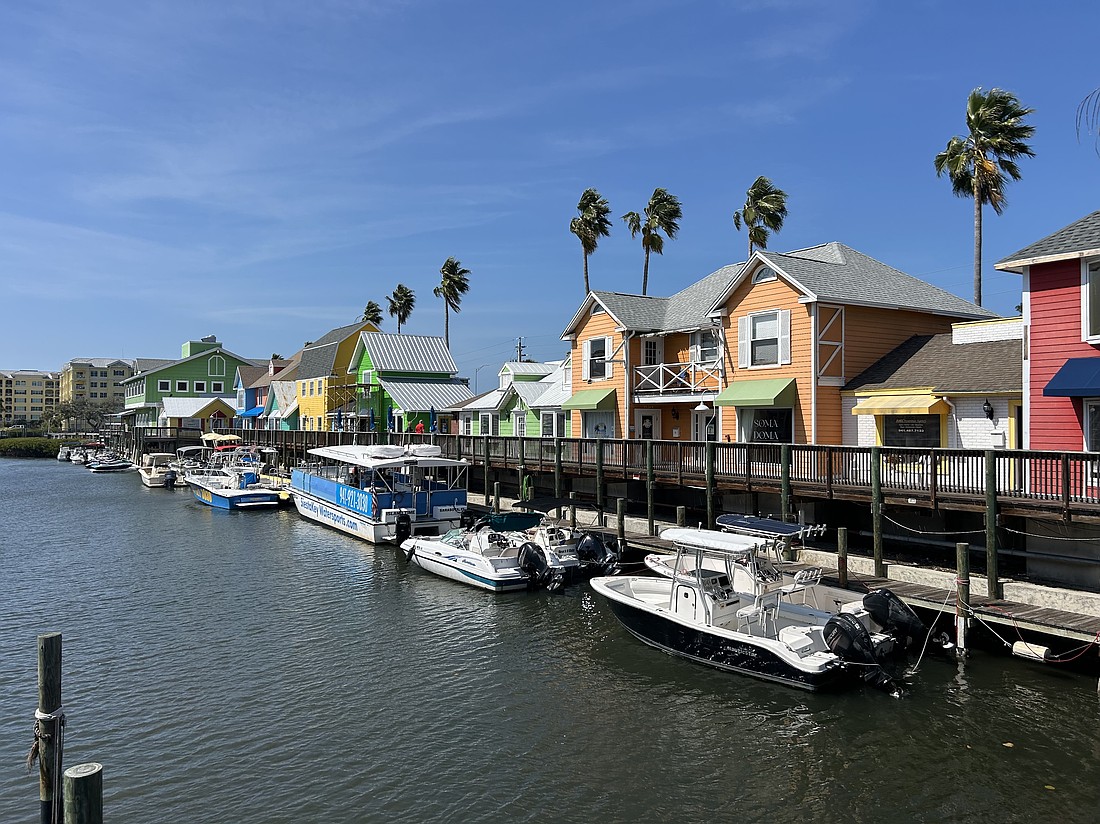
Sarasota County officials made a big splash in early February with an approval of a major acquisition: a 2.04-acre commercial site on the mainland side of the Stickney Point Bridge to Siesta Key. Known as the Boatyard, for a restaurant under that name on the property, the site is a colorful and quirky commingling of concerns. There’s a financial planning firm and an insurance agency. There’s a Jet Ski rental business and a boat club. There was an ice cream shop. For a time, there was even a storefront that was home to a place called Soma Doma: The Sexual Wellness Studio.
The purchase, which could close by summer, is for $18.1 million — and could rise to $21.36 million with other costs, including redeveloping it into a park with increased water access for residents. The acquisition would be the largest purchase ever made in the 21-year history of the county’s Neighborhood Parkland Acquisition Program, a county spokesperson says.
The purchase has also generated a flood of questions. For one, how did the deal come together? What will happen to the array of tenants — and who and what will replace the tax base those entities generate? Two more: Why this property? Why now?
Questions stem not only from some residents, but from one county commissioner, Tom Knight, who opposed the purchase in a 4-1 vote Feb. 10. “I have heard from many people through email, social media and phone calls that they see this as an excessive purchase and irresponsible use of taxpayer dollars,” Knight says in an email response to questions a few weeks after the purchase. “This includes people from every part of our community, including many business leaders who can’t puzzle this out.”
From the standpoint of the four commissioners who voted for it, and the seller, the answers to why, and why now, are both obvious and an on-the-button real estate cliché: location, location, location.
The word “gem” comes up regularly when describing the property. Sarasota County Commissioner Teresa Mast, in the meeting on the sale, and Sarasota County Commission Chair Ron Cutsinger, in an interview two weeks after the meeting, both call it just that.
“I can think of a few times I didn’t take an opportunity to buy something like this, and I regretted it for a long time,” Cutsinger says. “I’m excited this will not be one of those times.”
Cutsinger says staff was previously instructed to look for sites that can increase the county’s water access and park space. Finding it at the foot of one of the most popular beaches in the world, says Cutsinger, was a nearly priceless bonus.
Cutsinger recognizes concerns about the high cost. He responds that concessions “will absolutely be a part of this” in the form of a restaurant and other components and the project “will pay for itself over time.”
“There will be a lengthy debate and design process to figure out the best and highest use,” Cutsinger adds.
The seller, Sarasota property and restaurant owner Chris Brown, bought the property himself in January 2024 for some of the same location reasons.
Brown, in an interview, says when he bought it, the idea was to enhance, not redevelop, per se. “My intention was to clean the facility up,” he says. “There was a lot of deferred maintenance.”
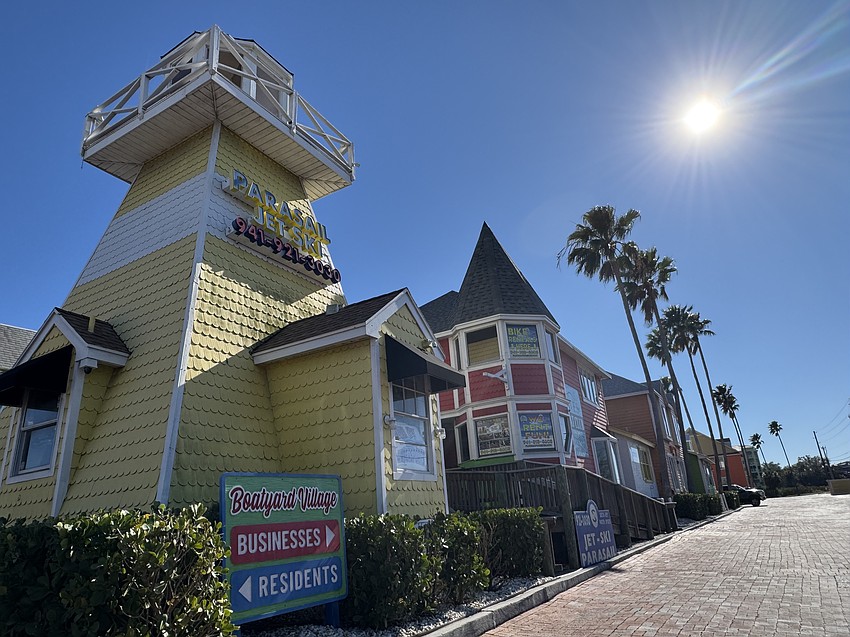
Brown says he spent into the seven figures on new siding, docking, plumbing, HVAC, electric and more. He also says he spent into the six figures on architects and designers to reimagine the property. But he laments the bureaucratic permitting process from the county “took the fun” out of it, and, at 60 years old, he wanted to focus on his other holdings. “I had a plan I thought would work,” he says, “but being in permits for over a year, it’s just really tough. It wasn’t meant to be.”
Brown, through an LLC he controls, Big Main Street, bought the property for $8.9 million, Sarasota County property records show. He says he’s spent close to $15 million on the project overall, including the purchase.
Brown says multiple developers have inquired about buying the property from him to turn it into a hotel or mixed-use project. A resident of the area for 35 years, Brown says he didn’t want that to happen. “If I ever was going to sell it, this was the best possible scenario,” he says. “It really is a gem of an asset, and now it’s going to be in county hands, in taxpayer hands, forever, and that’s really unique.”
Knight, in voting against the purchase, doesn’t dispute how good the site is.
He instead calls out the costs and what he calls a lack of concrete information on the project after the purchase closes.
“Where is the money coming from for ongoing operations and maintenance when we can’t make ends meet with our General Fund? I would like to have a nice house on the water, but it would be irresponsible of me to spend every last penny of my savings and take out a huge loan, too,” Knight says in the email. “To me, this is the same principle. Government sometimes has no alternative but to bond certain projects, but I believe it should be limited to absolute necessities like water treatment plants and other critical infrastructure that affects health and safety.”