- March 25, 2026

-
-
Loading
Loading
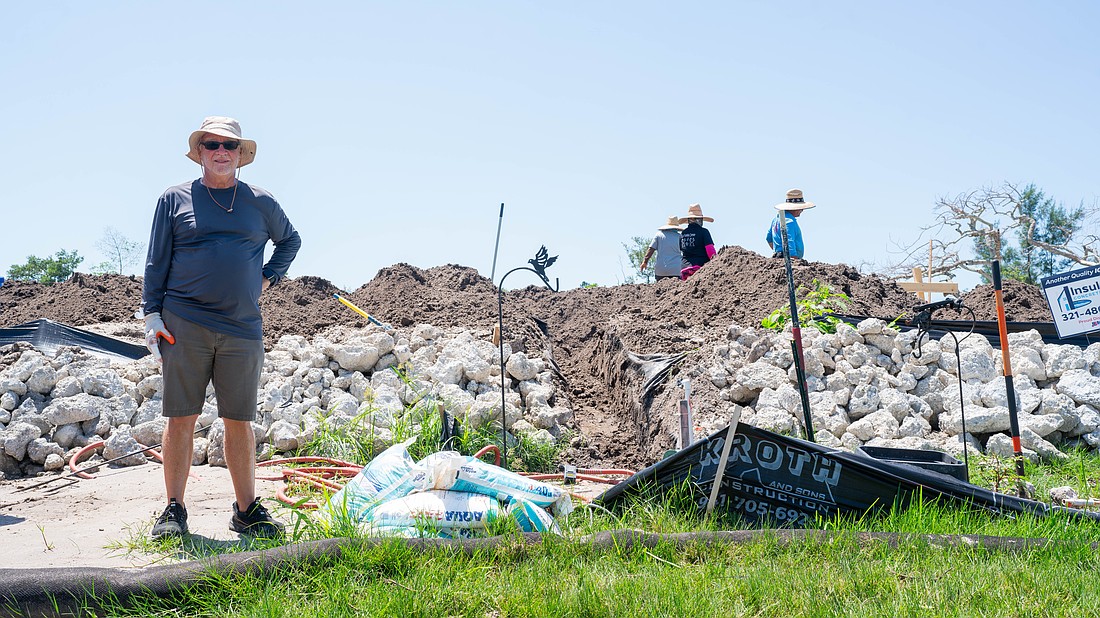
While the tail end of 2024 was a time to remember for all the wrong reasons — Hurricanes Debby, Helene and Milton, evacuations, power outages and destruction — 2025 can be remembered as a time when the Longboat Key community showed its resilience by rebuilding and rebounding from those devastating impacts.
The town of Longboat Key recently published its 2025 annual report, sharing how the local government furthered its goals and mission while working to rebuild infrastructure on the island.
“The relatively quiet 2025 storm season provided a critical opportunity for Longboat Key to continue rebuilding and strengthening following the historic storms of the previous year,” wrote Town Manager Howard Tipton in the report.
With Hurricane Helene making landfall in late September and Milton impacting the island in early October, the 2025 fiscal year (October 2024 to September 2025) is a good timeframe to examine the island’s rebuilding efforts. In that time, the town issued 2,183 permits for storm damage repairs. With non-storm-damage repairs taken into account, the town issued 5,721 permits.
That was a big lift for a Planning, Zoning and Building Department with 15 employees, and to meet the challenge, it brought in reinforcements. Staff in the department grew to 28, with additional inspectors, plans examiners and administrative staff brought on to deal with the aftermath of the storm.
Three supplemental staff remain with the department today to deal with a continuously increased permitting demand, Planning, Zoning and Building Director Allen Parsons said.
The need to do staff up was evident immediately after the first storm.
Parsons said a requirement of being a participant in FEMA’s flood insurance program, the Community Rating System, is to conduct damage assessments following storms.
“In order to do that, that’s probably at least a half an hour investigation per house that’s been identified,” Parsons said.
According to the annual report, the department oversaw the assessment of 3,000 residential units for damage. The Florida Department of Emergency Management had a hand to play in that assessment process.
“We were very, very fortunate in that FDEM, who we have the ability to request resources through, did provide resources to us,” Parsons said. “We had essentially contracted staffing through a firm that does damage assessment.”
Parsons said the damage assessment process starts with a “windshield assessment.”
“In the immediate aftermath of each hurricane, we get out and do what’s called a windshield assessment. That’s what we can see visibly driving down streets and identifying properties that have been damaged and the extent of that damage, what’s visible from the windshields,” Parsons said. “Then for any of those properties that were identified as having damage, we go back and do a more substantial damage assessment. That typically involves two staff members or supplemental staff members to go out to the property, walk around, take photos and just look at things much more carefully from the perspective of coming up with a potential estimate of damage.”
Less than half (1,418) of the evaluated units passed the windshield assessment and were deemed to have no damage. A majority (1,586) had damage with repair costs that were 1% to 49% of the building’s value; 75 had damage greater than 50% of the property’s value. This threshold is important because it triggers the Federal Emergency Management Agency's rule that requires a structure to rebuild to current code if damage exceeds 50% of its value.
In the 2025 fiscal year, 121 houses were demolished.
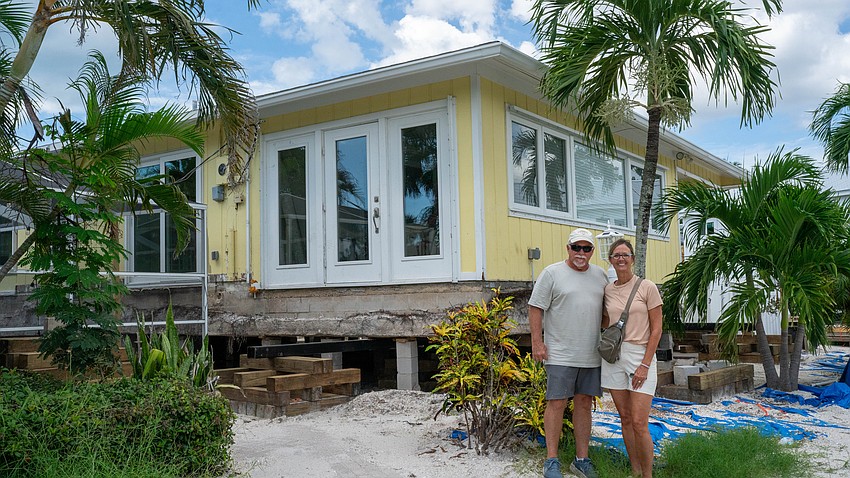
Others were renovated to become more resilient. Eight houses were elevated according to the report, and 19 of the 190 properties considered a “repetitive loss” property completed mitigation work.
Although it came at a high cost, the effect of these changes is the island is more resilient to storm impacts than it was in early 2024.
“One potential upside is longterm,” Parsons said. “One of the most resilient measures that can be taken on the island is to elevate these homes and businesses.”
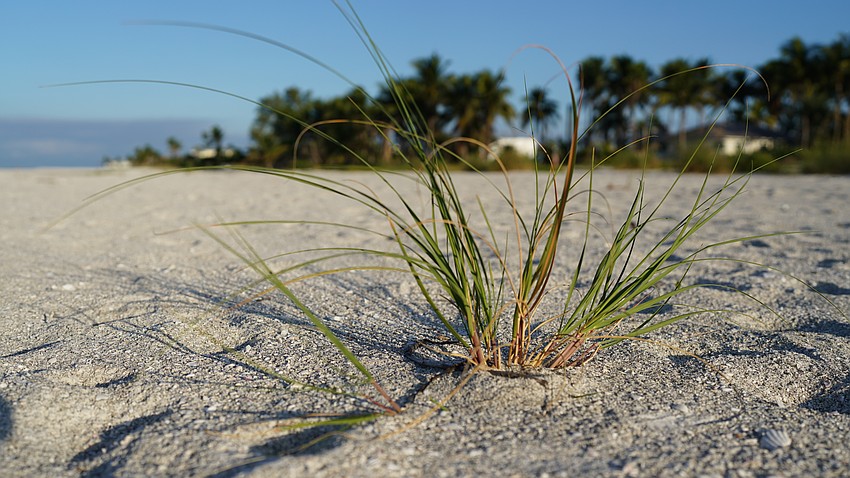
The storms didn’t just damage private property, but public places as well, including the beach. According to Public Works Director Charlie Mopps, 400,000 cubic yards of sand were washed away from the town’s beaches. In 2025, town staff worked to prepare for a massive beach renourishment project in which 800,000 cubic yards of sand will be placed, including rebuilding the dunes that were flattened by the dual hurricanes.
In 2025, infrastructure projects moved forward to protect residents and property from future storm impacts. The town is using grant funds to fund design for resiliency projects in the Buttonwood, Sleepy Lagoon and Longboat Village neighborhoods. Norton Street in Sleepy Lagoon is the furthest along, the annual report says.
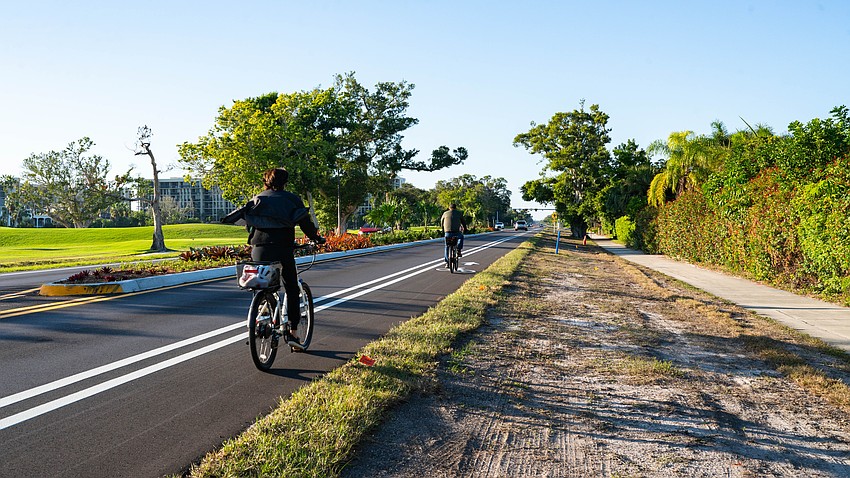
There were also non-storm-related road projects that moved forward in 2025. The most visible road improvement completed was on the south end of the island on Gulf of Mexico Drive. The Country Club Shores turn lane project wrapped up in late 2025, adding raised curbed medians with plants in the middle to a newly repaved road with expanded bike lanes. The $2.6 million project was described by town leaders as the first portion of Gulf of Mexico Drive’s conversion to a “Complete Street” using “context-sensitive design.”
The next portion of that Complete Streets vision will come at Broadway Street where a roundabout will be constructed. That project continued in 2025 with design plans being performed by Kimley Horn and Associates, which it is expected to complete in the spring. FDOT is expected to put the project out for bid in August.
The town also completed the repaving of five neighborhood roads: Marbury Lane, St. Judes Drive, Monroe Street, Channel Lane and Royal Road.
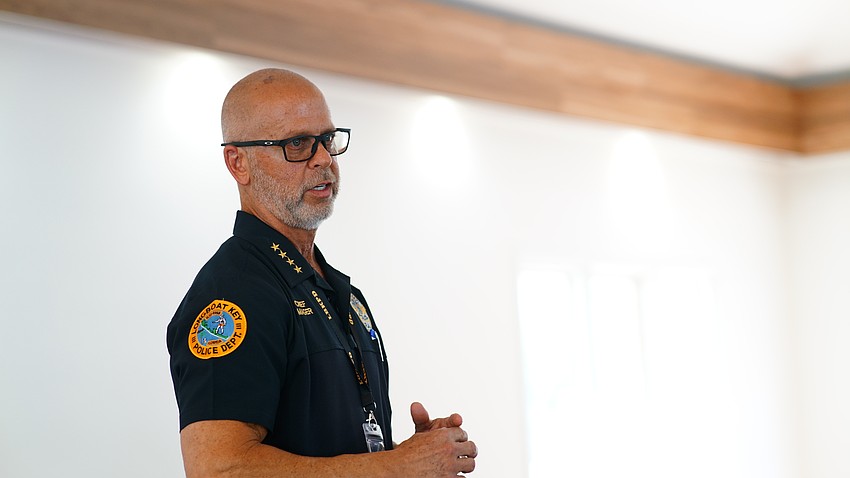
Last year was the first year of new Police Chief Russ Mager’s tenure, which began in August after his hiring was announced in June. Replacing Frank Rubino in the position, Mager has prioritized visibility in his policing strategy, saying he wants patrol cars and officers to be seen and approachable on Longboat Key.
“Crime prevention and proactive policing remain central to our mission,” Mager wrote in the annual report. “Through community engagement, education, and visible patrols, we work to prevent crime before it occurs while ensuring a rapid, professional response when assistance is needed.”