- March 23, 2026

-
-
Loading
Loading
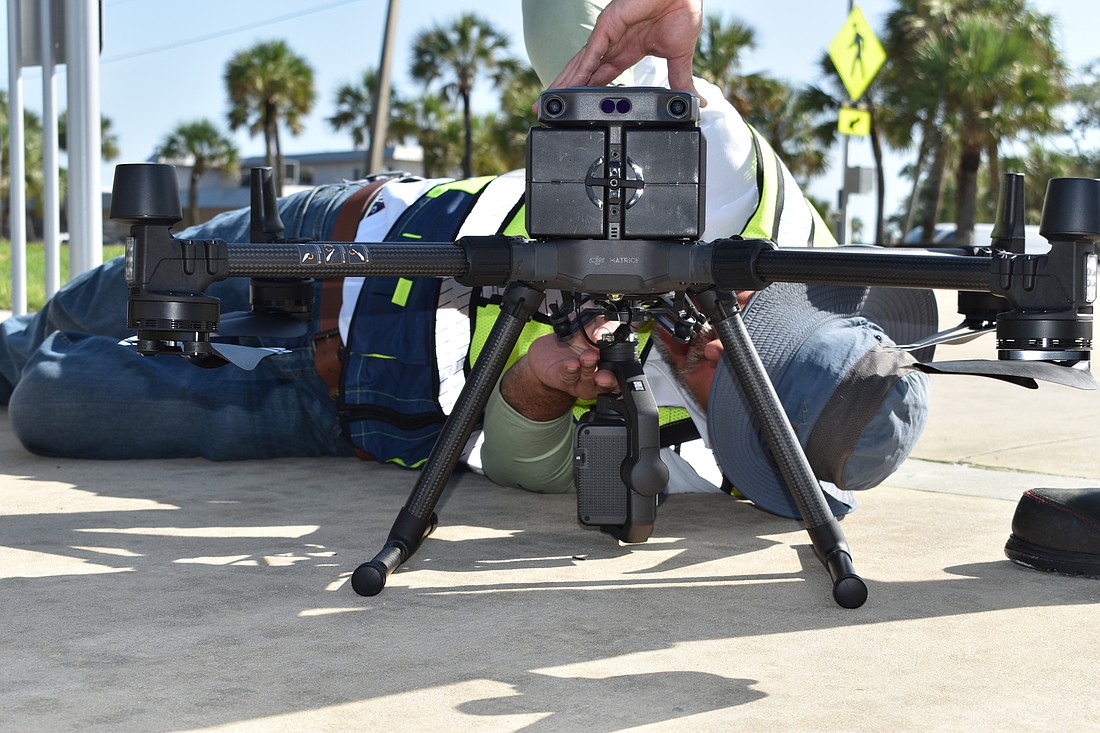
Though not always visible when in use, drones flown by Manatee County routinely ply the area’s skies, capturing photos, video, laser-based images, and other data of the landscape below.
They range from tiny quad-copters weighing less than 2 pounds, which cost the county $500 in 2024, to the senseFly eBee TAC, a winged and propeller-driven machine with a 2025 price tag closer to that of luxury car at $54,136.
One model you won’t see (even if you could make it out hundreds of feet above) is anything built by Chinese-based DJI — the world’s No. 1 manufacturer of such flying machines.
Largely connected to national security concerns, and pushed by Florida’s Sen. Rick Scott, federal authorities banned DJI from bringing new models to the United States, beginning this year. Private operators may continue the use of existing certified models, though their specialized operating-system updates at this point are only guaranteed through the calendar year.
Florida, however, banned governments in the state from flying anything not on its approved list of manufacturers. DJI is not on that list, forcing Manatee and other counties and cities to ground DJI drones.
Since the state law took effect, Manatee has sidelined 16 DJI-made drones across six departments along with six cameras that were exclusively DJI-compatible.
Aside from those drones and cameras, since September 2025, the county sidelined another three drones and replaced them with four new ones and purchased three new cameras for a total of $216,847. The cost to ensure the entire fleet stands now about $21,500 a year more than the pre-September fleet.
Manatee commissioners in February approved spending $41,144 on liability insurance for the county’s fleet, now valued at over $380,000.
County Administrator Charlie Bishop said the fleet is built around individual missions for different departments, with a range of duties from property management, monitoring of natural resources, public utilities and more.
“Our drones are critical to our infrastructure,’’ Bishop said. “We use them in Public Works, we use them for emergencies. Prior to Helene and Milton, we droned the entire beach for pre- and post-storm imagery, we use them for canal cleaning, we use drones for red tide events.’’
He said as a result of the state’s stop-use mandate, the DJI drones were added to the county’s surplus-equipment roster and “and we started anew with our drone-program purchasing.”
Though not yet scheduled, county leaders said they would soon bring to a commission meeting examples of not only the aerial drones used by the county, but also on-the-water and submersible robots with more specialized missions. Commissioners acknowledged a certain suspicion of drones overhead, which are increasingly being used for not only government work and legitimate commerce but also nefarious deeds.
Property Management Director Cary Knight said that Manatee frequently had to contract for drone services before building its fleet.
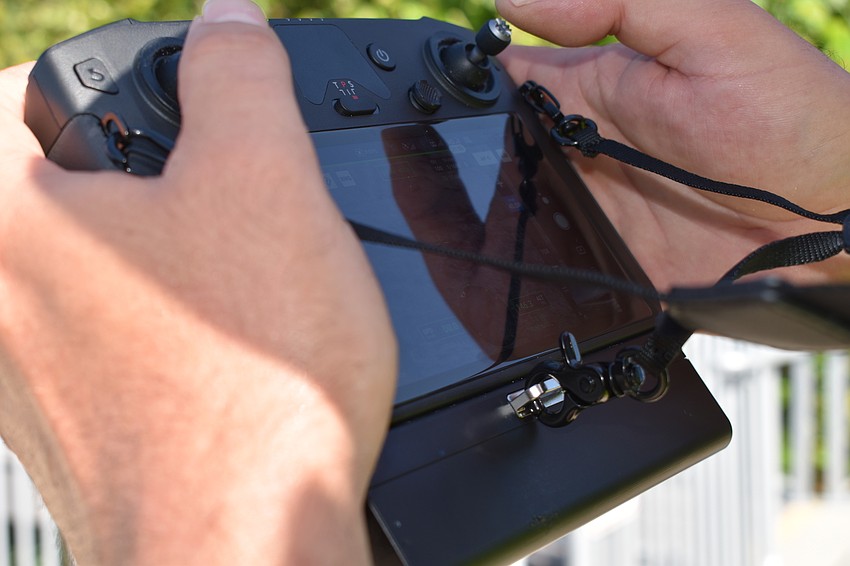
“Sometimes, it would take a week, a week and a half to get some of those higher-level pictures because they have to stitch all the pictures together to make a landscape shot,’’ he said. “Having some of that in-house, we were able to turn that around in a day or two.’’
Bishop added that the drone program ends up paying for itself by avoiding those emergency purchase orders.
In discussing the insurance payout, Commissioner Jason Bearden questioned the purchase of additional drones, not over their expected usage but rather choosing one model over a lower-cost version on the state’s approved list.
Knight said the departments that fly the drones often have their own parameters and requirements for the missions they fly, which are typically laid out and executed similar to the way piloted flights are planned.
“I get the purpose behind what we’re trying to achieve, but I’m also looking at a bill of over $300,000,’’ he said. “I’m thinking to myself, ‘can we achieve this cheaper?’’’
Commissioner George Kruse said the DJI grounding was another example of state officials forcing an unfunded mandate on local governments. The DJI drones still had service hours remaining, but instead the county had to purchase new, approved models at an unplanned-for cost.
“They believed they were stealing our information,’’ Kruse said. “We agree it’s an undue burden. We’ve made arguments in the past about unfunded mandates that get passed down from the state and force us to do things.
“This is a waste of taxpayer money. We are having to put drones aside well ahead of their useful life, but … the state makes laws and we’re required to follow them.’’