- March 16, 2026

-
-
Loading
Loading
Theresa Capuano-Scott had a story to tell Manatee County commissioners when advocating for a dementia resource hub.
Capuano-Scott has worked in assisted living and memory care facilities for the last 20 years. Her story was about a 75-year-old patient with dementia whose caregiver is his 79-year-old wife.
“He still believes he’s the CEO of the electric company he used to run,” Capuano-Scott said. “All he wants to do is get to his board meeting.”
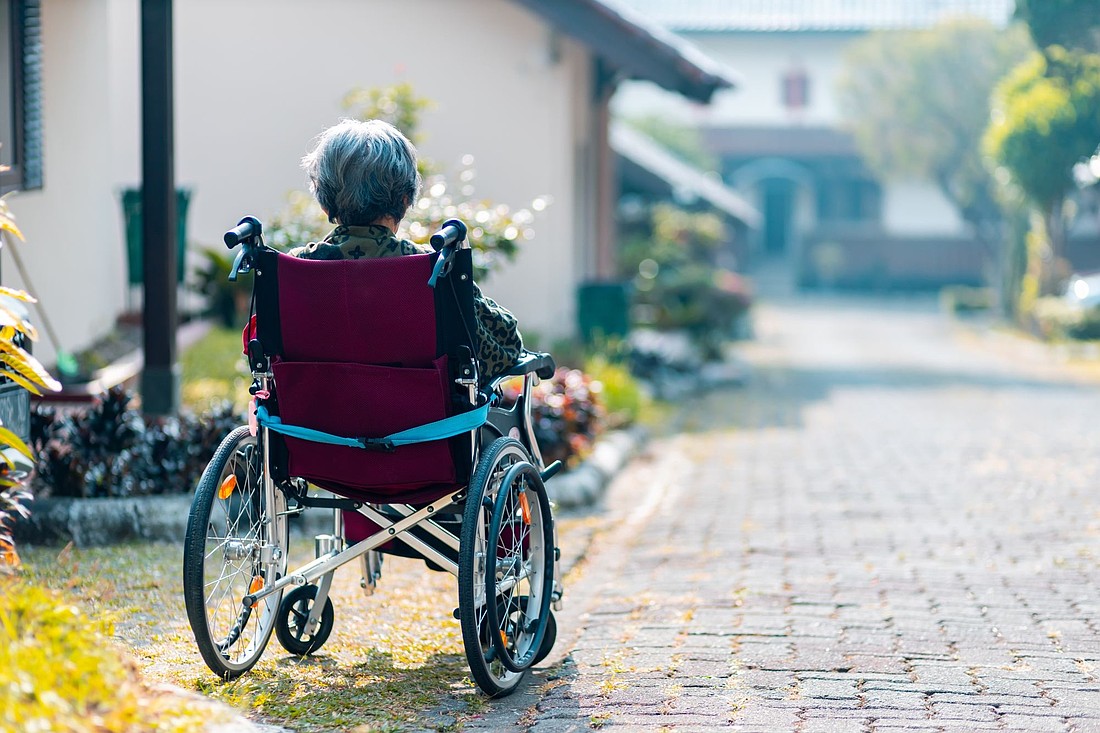
It was 4 a.m., and he tried to get into his neighbors’ car, so they called the police. Capuano-Scott said the officers weren’t trained to recognize dementia. They thought the man was on drugs or experiencing a mental breakdown.
He resisted arrest so the officers eventually restrained the man with a taser. He was brought to the hospital and sedated, all while his wife slept.
She was exhausted from caring for him. In the morning, she found him in the hospital bruised, medicated and restrained. She asked for help and was given a pamphlet for an assisted living facility the couple can’t afford.
“They go home, and the cycle begins again,” Capuano-Scott said.
However, Marcy MacPherson has come up with a way to stop or, at least, reduce that cycle, and commissioners agreed to help her at the March 3 meeting.
MacPherson made a request of commissioners to provide a 1,000- to 1,500-square-foot office space within a county building to pilot the Manatee County Dementia Public Safety and Navigation Hub. The request did not include funding.
MacPherson’s nonprofit, DementiAbility, will be responsible for funding and operating the hub. It’ll take three to four staff members, which will be covered by grants.
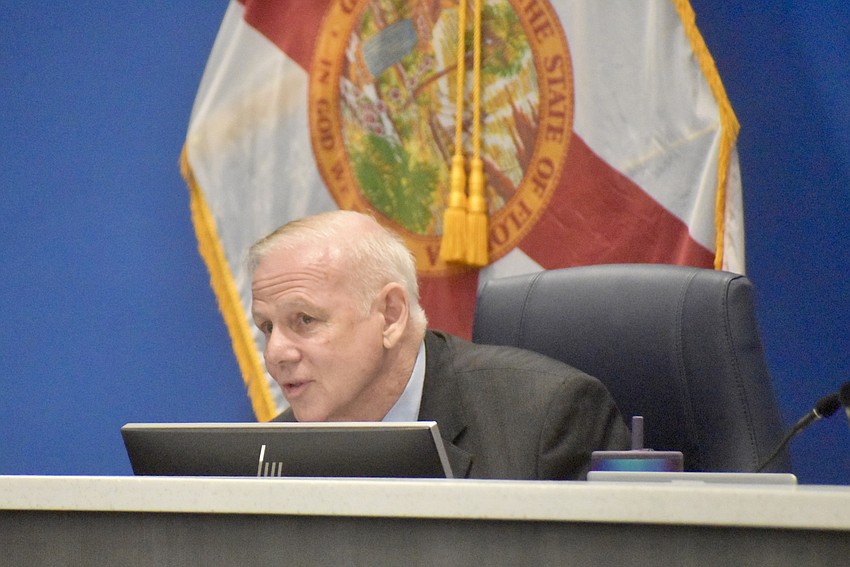
Commissioner Bob McCann added the request to the meeting’s agenda. After 37 years as an ER doctor, he saw patients admitted with dementia who were panicked and didn’t know their own names so their caregivers couldn’t be notified.
MacPherson caught McCann’s attention with a purple bracelet.
The bracelets look like any other silicone wristband that’s worn to promote a good cause, but they’re engraved with a website and an identification number.
In the story provided by Capuano-Scott, both the husband and wife would wear a wristband — the husband in case he got lost and the wife in case she got hurt. Someone would need to check on her husband.
If someone was lost, the bracelet would alert a paramedic or police officer that the person has dementia. The website address on the bracelet leads to a portal that the public can’t access but first responders can, and it will identify the person or caregiver and offer emergency contact information.
Beyond the bracelets, the hub will be a source of information for individuals and families struggling to find help.
“I’m dealing with this in my own family right now, and there’s a lot of complexity,” Commissioner George Kruse said. “It was a lot of learning, and there was no place to turn to do it. It was cobbling together stuff online and talking to memory care people and just trying to find resources.”
MacPherson said she wants a space within a county building because people will be able to take public transportation to get there. It will be a “centralized space where people can come for free and not have to worry about the cost of it to have a conversation.”
MacPherson’s initial target with the pilot program is to help up to 300 people, but she knows the county’s needs far exceed that number so she wants to expand the program past the first year.
“We have a large influx of people aging,” she said. “Within the next four years, we’re going to be seeing a greater amount of people living with dementia or cognitive challenges.”
A February 2025 study by the National Institute of Health reported that dementia affects more than 6 million Americans and estimated that 42% of Americans over the age of 55 will eventually develop dementia. By 2060, the number of new dementia cases will have doubled.
Commissioners directed staff members to look for spaces and meet with MacPherson by the end of the month with some options.
“This is something that’s happening even to younger people now,” McCann said. “We need to get a plan in place and get this started because (the pilot program) is something that needs to happen now.”