- March 9, 2026

-
-
Loading
Loading
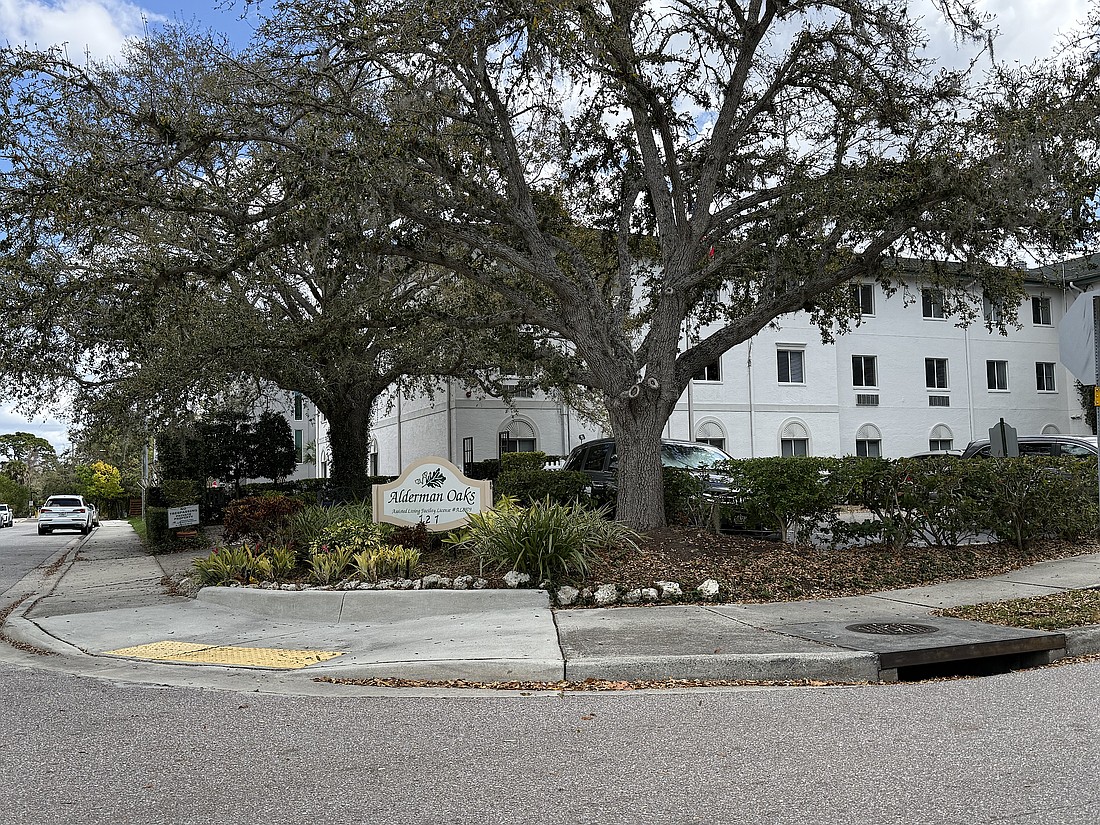
No one can predict what form a parcel of real estate may take decades into the future, that fact forming the basis of a split-decision approval to rezone the 1.27 acres occupied by Alderman Oaks Retirement Center.
Positioned on the southern edge of the historic Laurel Park neighborhood one block north of U.S. 41 at at 727 Hudson Ave., the ownership of Alderman Oaks sought to rezone the property from Residential Multiple Family to Downtown Edge, the petition filed without a site plan.
That application was approved 3-2 during the Sarasota City Commission's March 2 meeting.
That absence of a site plan has been the primary point of contention of Laurel Park residents beginning with the Planning Board process, which on Aug. 7 voted 4-1 to recommend approval. The facility’s ownership seeks to convert part, and perhaps eventually all, of the 60 group living units within the building from assisted living to independent living, which requires adding a kitchen to each.
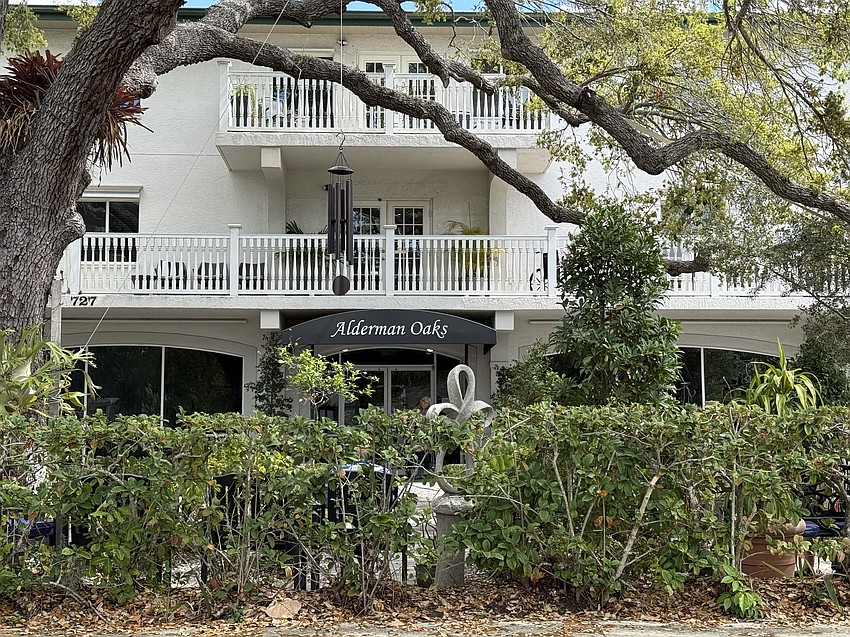
That project will result in reducing the number of units as they are consolidated via renovation.
“We are requesting the rezone to make the property compliant with the future land use map and Comprehensive Plan,” said attorney Patrick Seidensticker, representing the ownership. Residential Multiple Family, he said, is not an implementing zoning district in the city’s long-term plan and the change is needed for future compliance.
“But the general impetus for this is that applicant has really been burdened by state and local regulations regarding assisted living, and would like to start transitioning his business to independent living,” Seidensticker said.
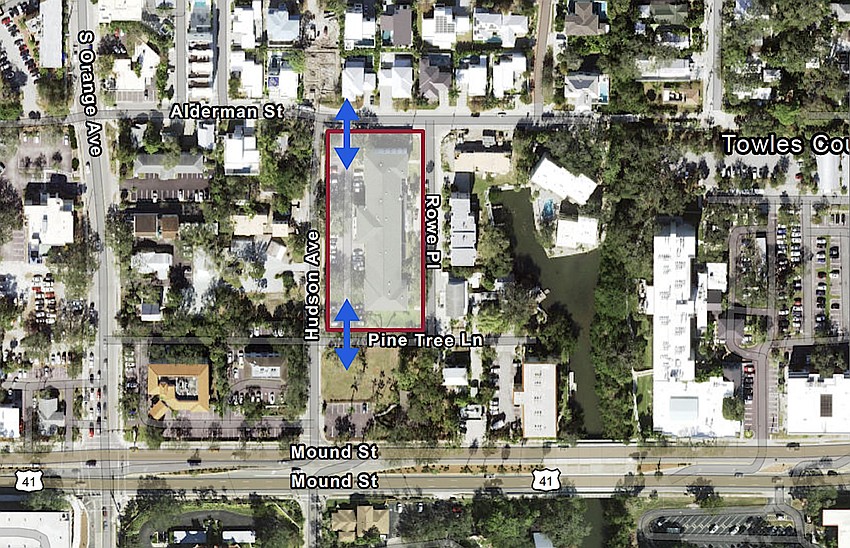
The rezoning petition states that there are no plans to redevelop the property “at this time,” a vagueness that concerns Laurel Park residents. In an effort to allay some concerns, the ownership group offered a proffer that any future use of the site would be residential, the only commercial use as necessary to operate a retirement community.
That doesn’t address concerns that Alderman Oaks could in the future redevelop the property into a higher density and taller structure. The Downtown Edge district base density is 25 units per acre with a bonus density of up to 100 units per acre if affordable housing is included. The base height limit is five stories, although in areas adjacent to single-family restricts height to one story above the adjacent district.
The building is currently three stories tall.
Rather than a proffer, Laurel Park Neighborhood Association board member Ron Kashden pressed for a deed restriction, which he said he believed to be more binding.

“Twenty years from now, someone may buy that property. Are they going to look up the ordinance to see that that property is (proferred) only residential?” Kashden asked commissioners. “A deed restriction gives the public the opportunity to find that information.”
Seidensticker countered a deed restriction in this instance is effectively meaningless because, as the property is not changing hands, ownership would only place the restriction on itself and can, at any time, reverse it. Both Seidensticker and Sarasota Development Services Manager Allison Christie added, in their experience, proffers are readily available in the title search process.
As for the lack of a site plan, Commissioner Liz Alpert pointed out that, because no changes to the exterior of the structure are proposed — at this time — the existing building itself is effectively the site plan.
As for future unpredictability of the site and, for that matter, properties surrounding Alderman Oaks, “That's correct. You can't predict the future. You don't know what is going to be around it in the future,” Alpert said. “But for the time being, this business is changing from assisted to independent living and adding kitchens. Fifty years from now, 20 years from now, 30 years from now, we don't know what's going to come in the surrounding neighborhoods.”
Remaining concerned about future uses of the site once rezoned, Vice Mayor Kathy Kelley Ohlrich and Commissioner Jen Ahearn-Koch cast the dissenting votes.