- March 9, 2026

-
-
Loading
Loading
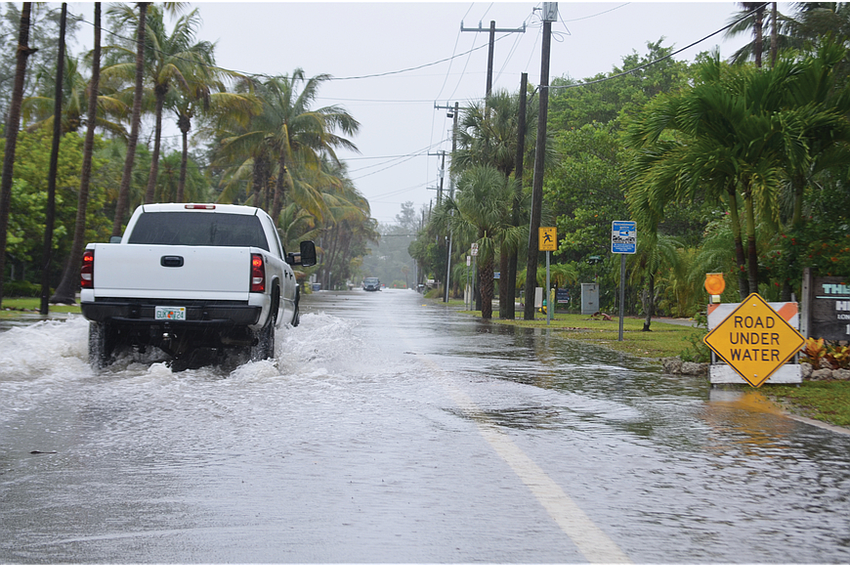
During king tides in the Sleepy Lagoon neighborhood, water starts to bubble up from the storm drain grates, rain or not.
“It’s supposed to go down the drain and go somewhere else,” Juan Anasco Drive resident Bob Krosney said. “Well, not when the tide is high. It’s got no place to go.”
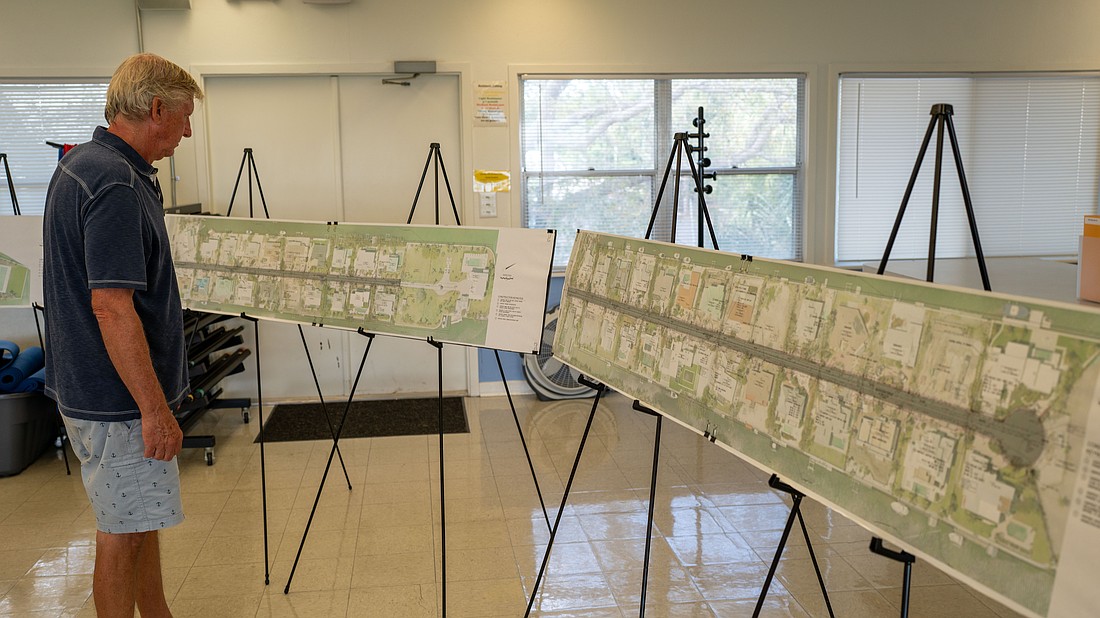
At a public meeting, civil engineering firm HR Green and the town of Longboat Key shared engineering plans to combat stormwater drainage on Juan Anasco, De Narvaez and Bayview Drives with residents.
The town contracted with HR Green “to provide the engineering services to increase resiliency by designing and permitting stormwater improvements to mitigate flood impacts due to sunny day flooding caused by high tides and king tides that are subjected to increased flood risks due to (sea level rise),” according to the project website. The HR Green contract is for $328,225.
The nearly finalized flood resiliency plans center around raising the three roads and increasing the number of stormwater pipes and outfalls.
“It’s the increased capacity because you have more pipe. You’re relieving the water off the road faster by having more inlets, and you’re taking the overall capacity away from the road faster by having more outlets,” HR Green Production Manager Mark Mueller said.
Krosney and Reina Berman, longtime residents on Juan Anasco Drive, have their house on pilings and don’t have to worry about their house flooding. Krosney said he includes Mark Wickersham in his prayers each night, thanking the former owner and builder of Krosney and Berman’s house for building the house on pilings. But even with a raised house, the flooding on the neighborhood’s main street causes issues.
Of the three streets included in the flood resiliency project, many residents in the neighborhood agree that Bayview Drive sees the worst of street flooding. It's something John and Karen Kurgan know all too well.
“It can come from the canal too, but the roads are first. The water starts coming up through the grates in the road, and it can come over the seawalls,” Karen Kurgan said. “So it’s coming from both sides.”
Cars can usually drive through the water, but salt water is especially damaging to undercarriages of cars as it is more corrosive than freshwater.
HR Green Project Manager Devyn Brown explained that the road will not be raised a certain height throughout the each street, but vary from zero to 11 inches (seven inches average) on Juan Anasco and zero to 10 inches (6 inches average) on Bayview. On De Narvaez, the road will be raised zero to 11 inches (seven inches average) on the crowned portion of the street and 0 to 5 inches (three inches average) on the inverted crown portion of the street.
“The project isn’t just adding pipes and inlets. The project is also reconstructing all of the street grates. Your low points are now at each of the sets of inlets,” Brown said during the meeting.
Mueller said the number of stormwater outfalls on the three streets will increase from five to eight. They will also be outfitted with tide check valves that don’t allow sea water from rising tides to enter the stormwater system. That will fix the bubbling drain issue the neighborhood has been experiencing. But during extreme storms, flooding is still possible, engineers said. The neighborhood will always be on a barrier island regardless of the infrastructure installed.