- February 26, 2026

-
-
Loading
Loading
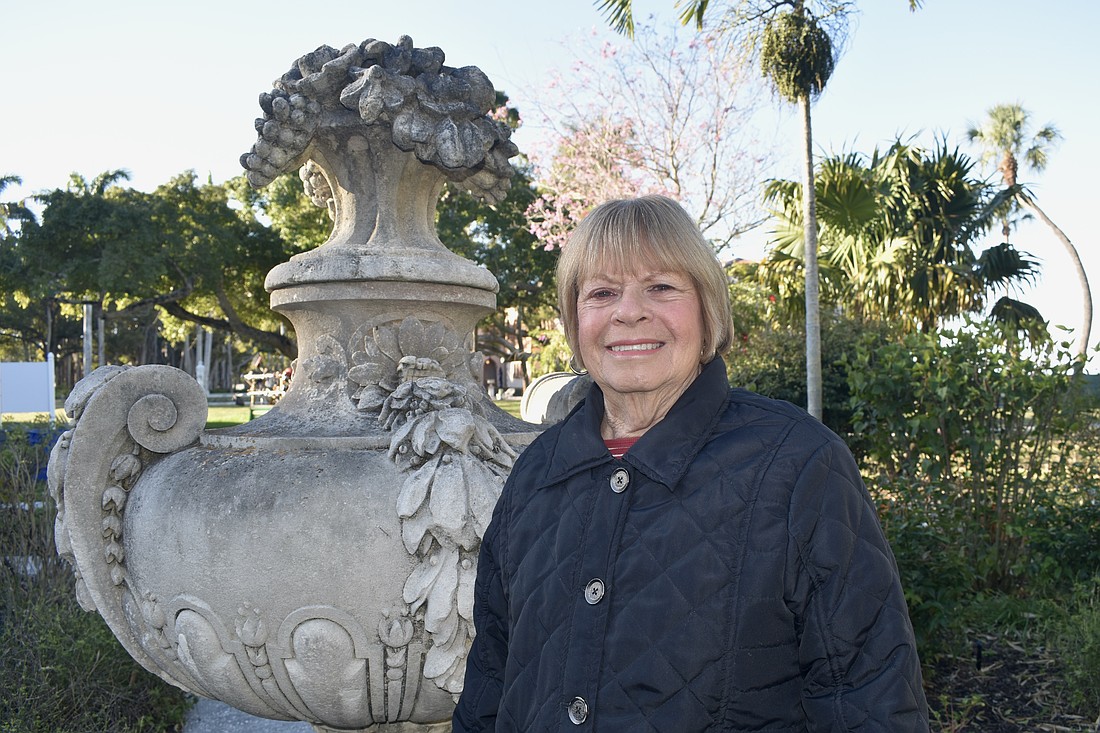
The jardiniere would never have been standing alone in a field of grass. It was an indication that there had been a garden there.
As Merle Suave walked the grounds of the John and Mable Ringling Museum of Art in 1978, she noticed that between the blades of grass, bits of concrete were visible.
The Ringling docent and Sarasota Garden Club member was determined to find out whether that patch of land had indeed been a garden.
At the time Suave made the discovery, the museum didn't feature what is now known as the Secret Garden.
Nonetheless, the club, which itself is included on the National Register of Historic Places, has played a role in shaping Sarasota's history, which includes leading the revival of that part of the museum's campus decades ago, while volunteering in partnership with the museum to maintain the garden today.
The histories of the club and museum are both intertwined, as Mable Ringling was, in fact, the founder and president of the garden club.
That is one motivation for members of the club to head out every other week to volunteer in the garden's upkeep.
Located just north of the Cà d'Zan, the garden began as the space that Mable Ringling called her "onesie-twosie" garden, because it contained one of one plant, and two of another.
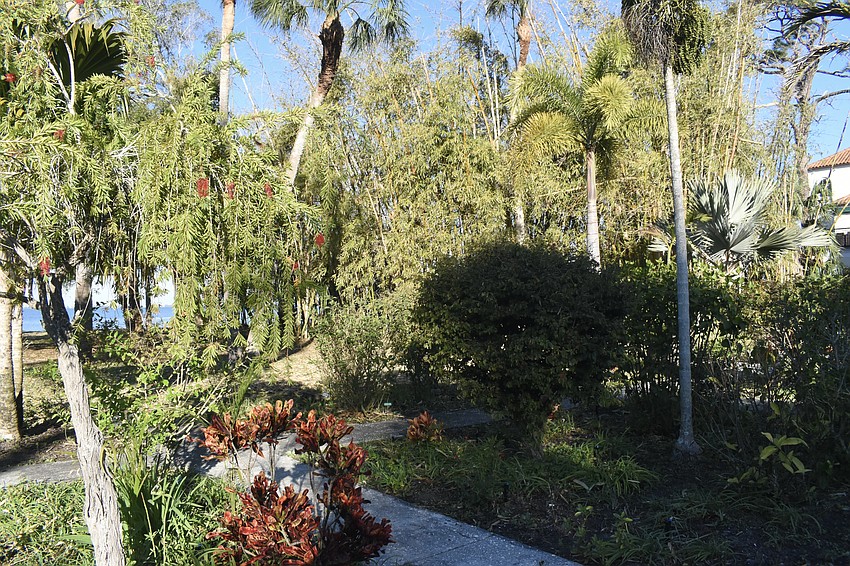
Olivia Haynes, club historian for the garden club, says when people came to visit Mable Ringling at the Ringlings' home of the Cà d'Zan, they would offer her plants and cuttings from different places.
“Even though it looks like a formal garden, it was never really a formal garden,” she said. “It was more like an English cottage garden, and she would put one of this here and two of this here, and see how they would grow.”
It is believed Ringling used the garden for solitude, or to entertain guests. It is also the burial site of John Ringling, Mable Ringling, and John Ringling's sister, Ida Ringling North.
The garden's intersecting pathways were rediscovered after Suave obtained permission from the museum to dig out the garden from beneath the grass in 1978.
Also involved were two other members, Margaret Snyder and Judith Scheider, president of Driftwood Garden Circle. (At the time, the garden club operated through individual circles.)
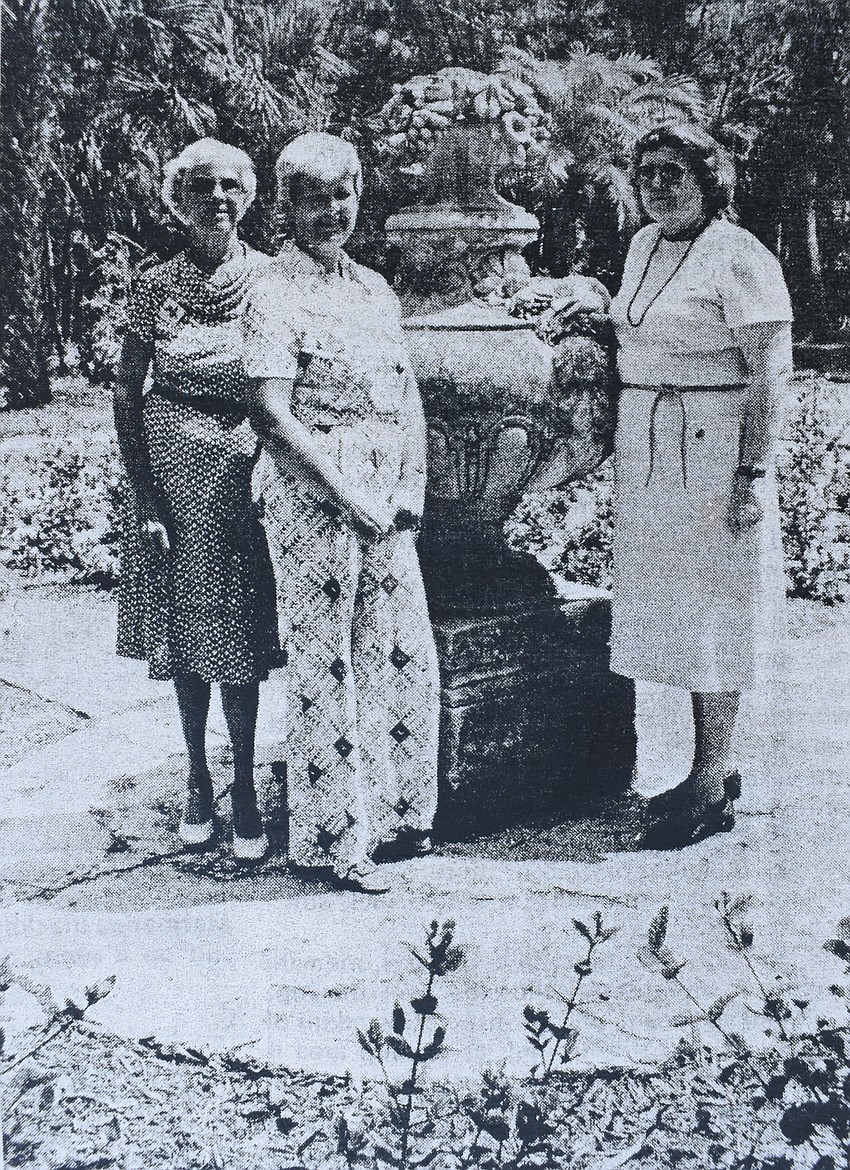
Scheider had a son who was looking to earn the rank of Eagle Scout, and the recovery of the garden became his Eagle Scout project, with a group of scouts involved in digging up the turf.
They found that the concrete formed an intersecting walkway surrounding the jardiniere. That was a template on which the garden could be replanted, although Haynes says there were no set rules for what plants it should contain.
“They couldn't find anything that said what was in there because it was one of this and two of that and it changed all the time,” Haynes said. She noted the club found, at one point, a picture of Mable with delphiniums in the garden.
The most recent renovation, in 2016, was performed in partnership with the Sarasota County Butterfly Club, and the garden today is a butterfly and palm garden, containing a variety of plants intended to provide for the life cycle of butterflies.
However, it had still been renovated again prior to then, before it was rededicated in 2003.
By the turn of the century, the garden had become overgrown, club members say.
The club had been contributing $250 a year toward maintenance.
“$250 doesn't go very far as the years went on,” Haynes said.
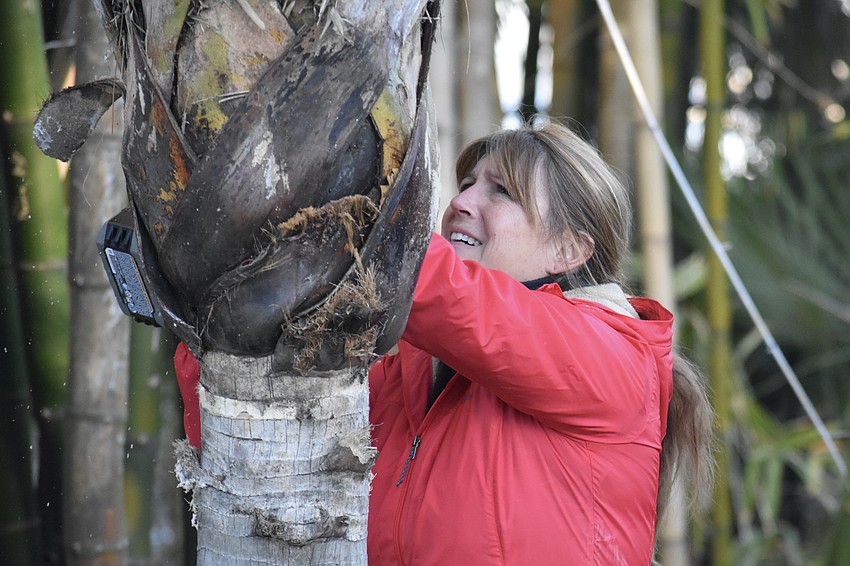
Haynes led the project, starting when she was working in the lobby of the museum, as an ambassador, after joining the club in 2000. She says she approached the garden and found it in disrepair.
"It was just a weed patch. It had some vinca, mostly weeds, some dead bromeliads, and that was it," she said.
Haynes said she visited with the museums' executive director at the time, John Wetenhall, convincing him that lots of members of the garden club would, out of love for Mable Ringling, work to maintain the space.
Within two days, she says, the museum had mended the soil and fixed other components, and within two weeks, the club had the project underway.
Today, the club members are still found there every other week, as they continue the garden's upkeep and planting, through a partnership with the museum that provides members with the credentials to work on the museum campus.
Volunteer Andrea Gibson said called it a "privilege" to work with Haynes on the project, due to her leadership with the garden over the years.
"We have a blast coming out here. It's fun," she said. "Great people. Fun to get on our knees and get in the dirt. We like to play in the dirt."
"It is a pleasure because (Olivia) has been here for so many years, and she started this, and that's the best," said volunteer Toby Plesser.
Although the recent bout of cold weather may have posed a challenge for the garden's flowers, Haynes said the members will be working to restore color to the scene as they tend to the site.
“The Ringling has a long relationship with the Sarasota Garden Club, beginning with Mable Ringling, who served as the club’s first president," John Flemming, the Ringling's associate director of facilities and garden services wrote the Observer. "Today, the SGC contributes to Mable's Secret Garden by donating their time—and occasionally plant materials—on a biweekly schedule. They have maintained this commitment for more than 20 years and their contribution keeps Mable's intention alive for visitors to enjoy."