- April 10, 2026

-
-
Loading
Loading
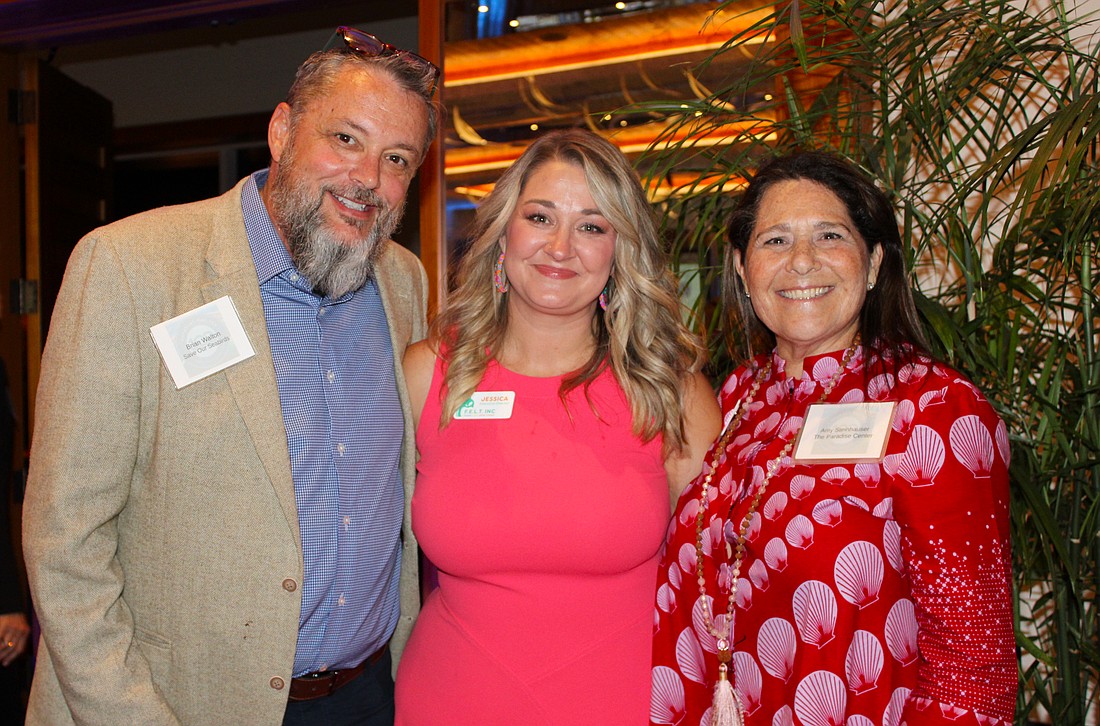
Fighting childhood hunger, saving sick and injured birds facing rapid population declines, and keeping senior community members engaged and healthy to avoid isolation are all worthy causes. All three received the spotlight at a recent charitable event welcoming women on Longboat Key to help make a game-changing contribution to one.
The Key's newest fundraising effort set the stage for the three local community organizations to share their missions and for one to walk away with a $100,000 contribution to further its work.
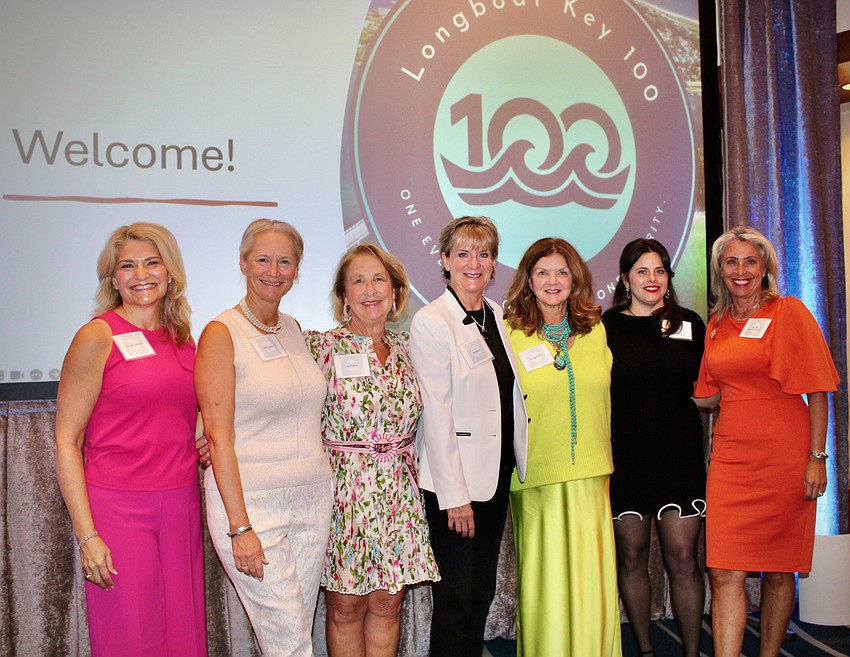
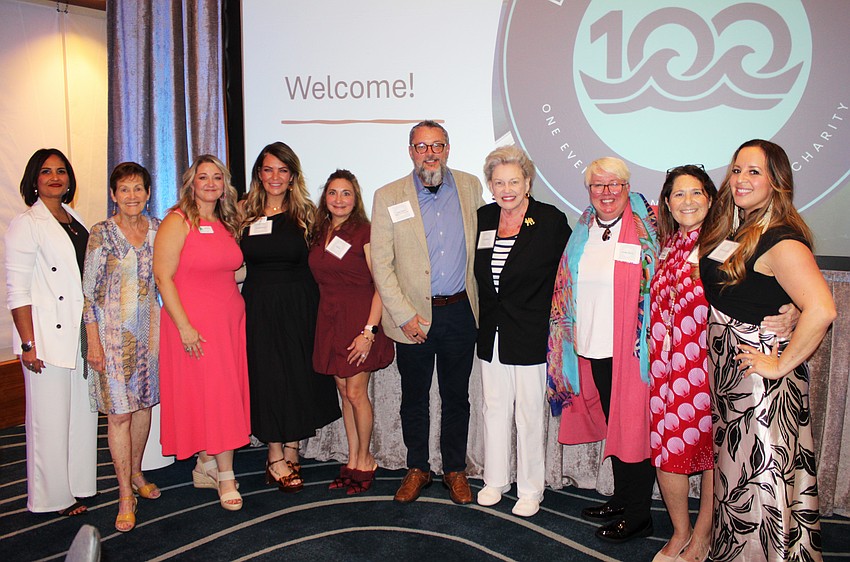
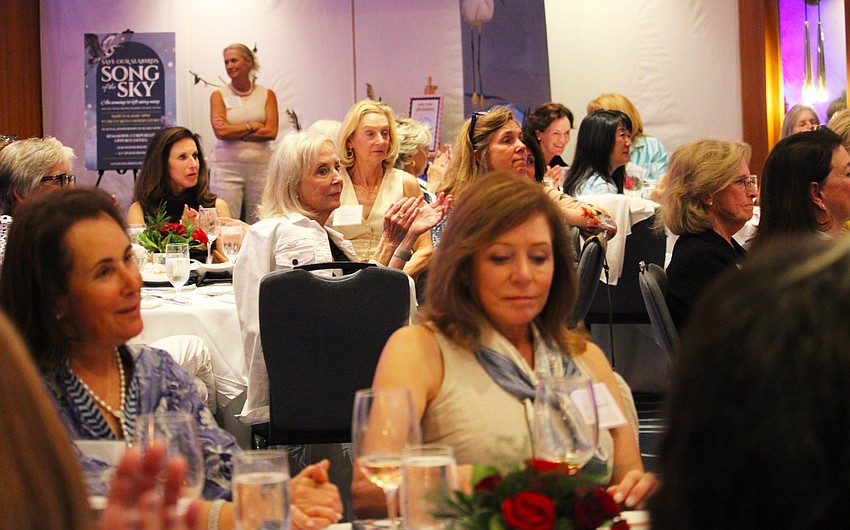
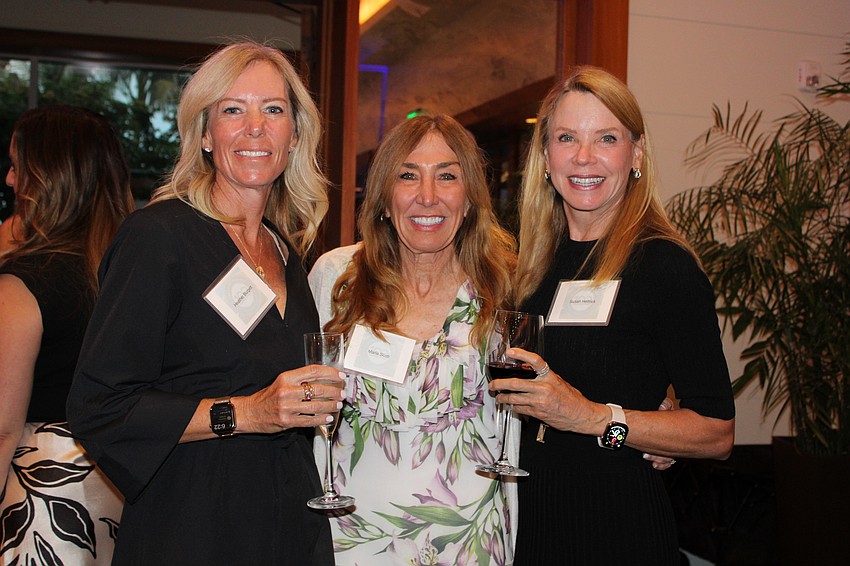
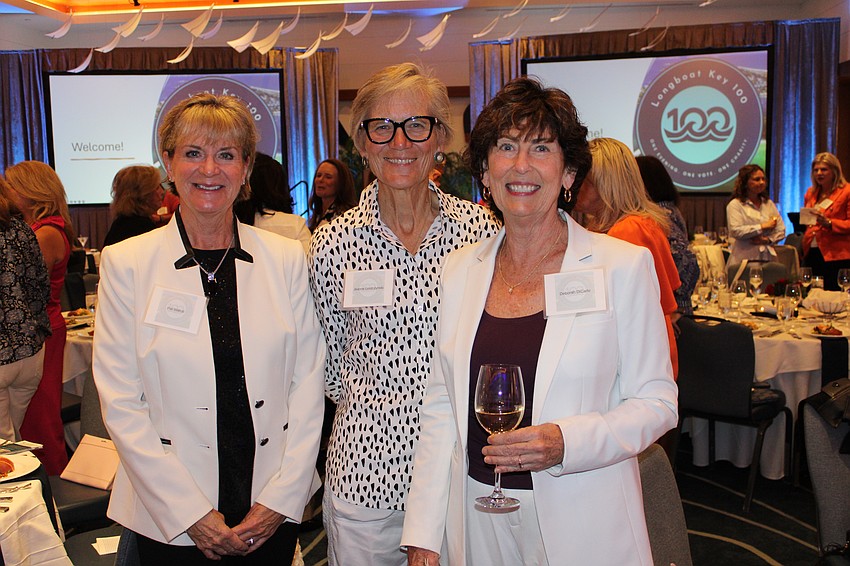
The Longboat Key 100 formed earlier this year. Its founders explained that the group is not a 501(c)(3). Rather than collecting donations, the group of volunteers worked to bring together about 100 women willing to each make a direct $1,000 donation to the selected charity.
This year's finalists were Feeding Empty Little Tummies Inc., Save Our Seabirds and The Paradise Center. Feeding Empty Little Tummies won the $100,000.
Many Longboat Key residents are familiar with these groups. But this stage gave leaders an opportunity to give a more in-depth view of what they do for the community.
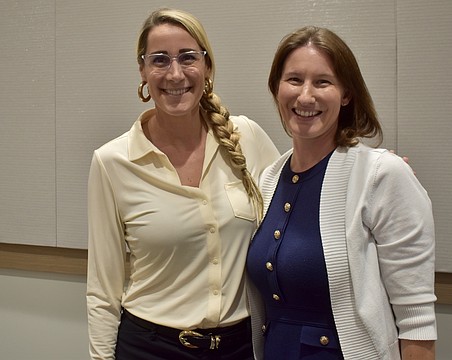
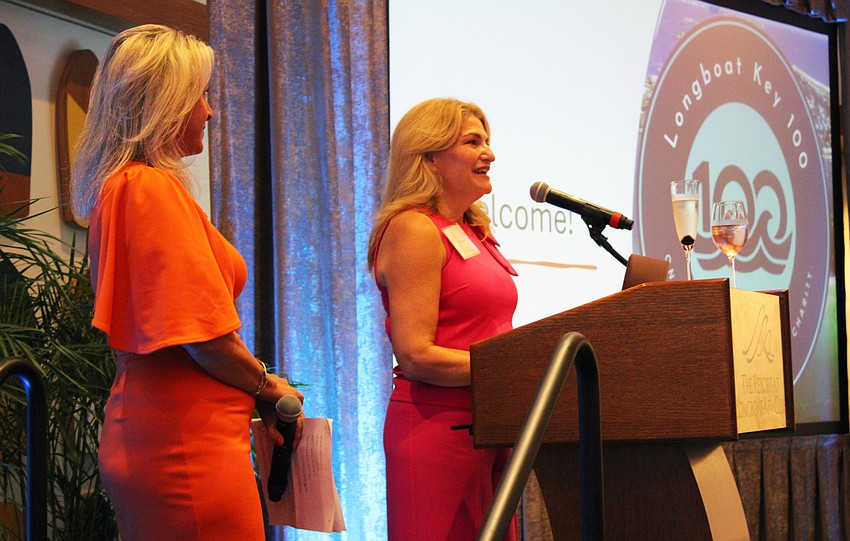
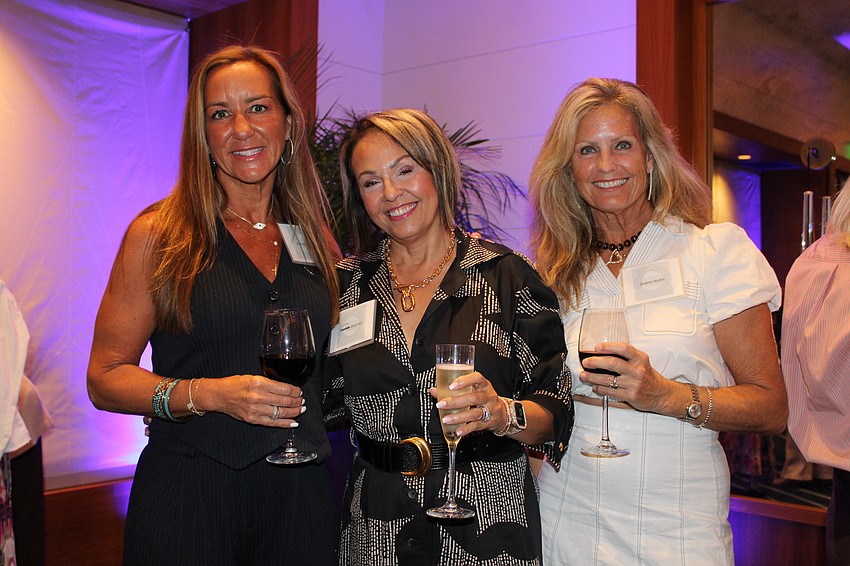
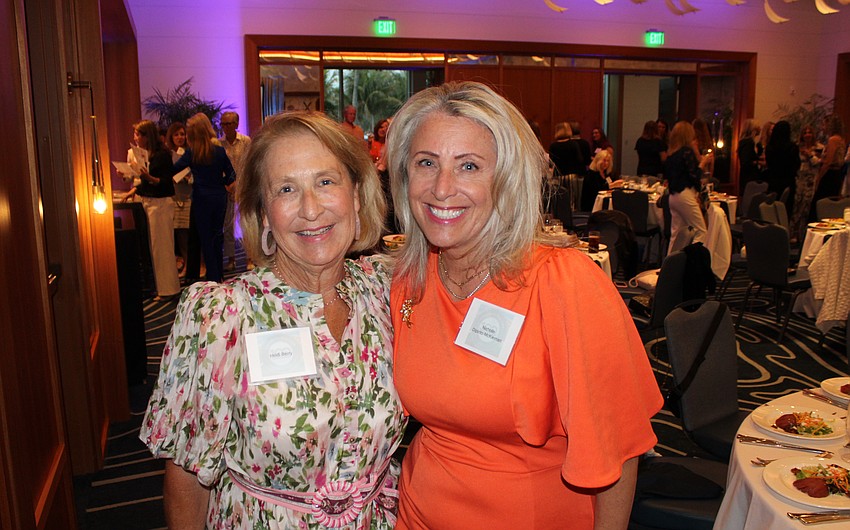
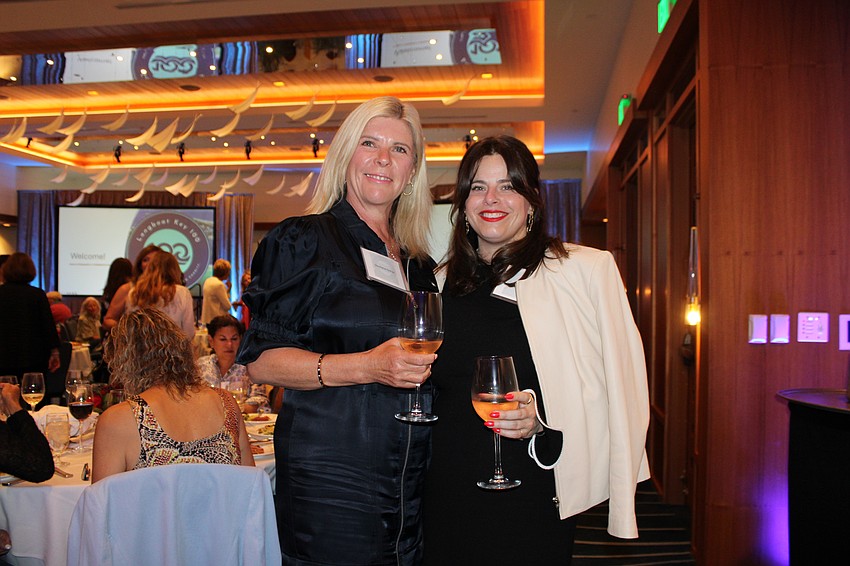
The organizations gave their 20-minute presentations at the Feb. 17 event at The Resort at Longboat Key Club. Nicholle DiPinto McKiernan and Michelle Johnson, two of the group's seven founders, emceed the evening.
"This evening is about listening, learning, and is inspired by the organizations that are presenting," Johnson said. "We're coming together to make a huge, meaningful impact."
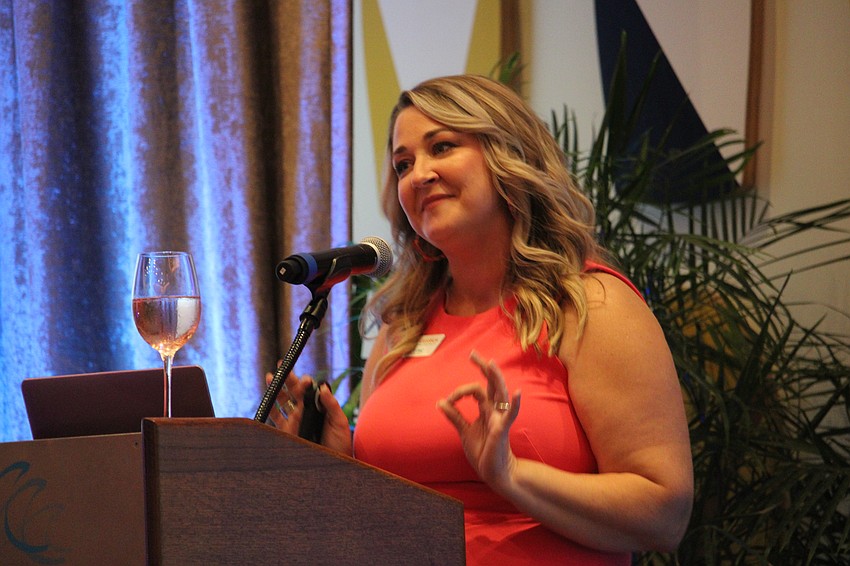
FELT Executive Director Jessica Ryherd presented first, highlighting how the group aims to combat childhood hunger while serving students with dignity.
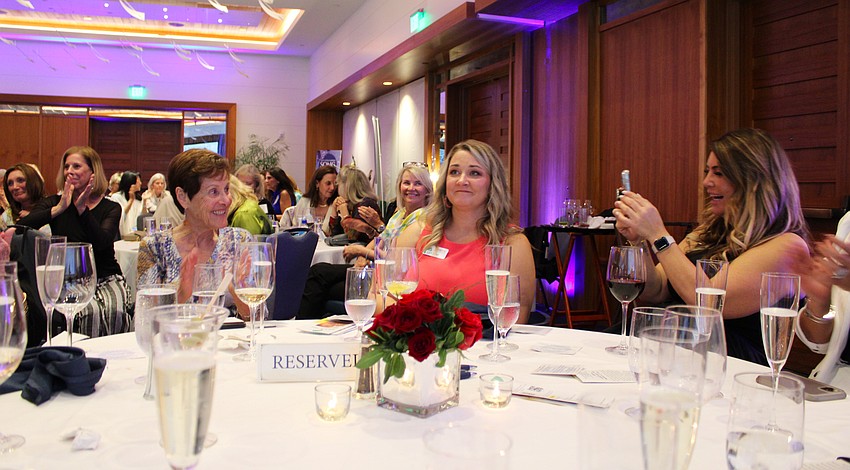
Jane Evers, wife of former Bradenton Mayor Bill Evers, started the organization in 2010, reaching out to three Manatee County schools. Now, the organization partners with 58 area schools.
Every bag the children receive has two breakfasts, two lunches and two dinners, along with whatever snacks have been donated.
"While it was cold out, we were able to add hot chocolate, which I was excited about," Ryherd said. "I believe firmly in not just feeding tummies, but also feeding hearts."
Students also receive a small wrapped gift and hand-written card for the holidays, along with other goodies.
During the 2024-25 school year, FELT served 1,626 students, distributing 292,830 meals.
"We're feeding 1,707 children currently," she added.
That included 48,805 weekend bags, all packed by 85 weekly volunteers.
"Our volunteer program is near and dear to my heart," she said. "We have retirees from all across the community who come in twice a week to help us. We have small business owners. We have groups as large as Publix and Detwiler's that come in."
Ryherd said she especially loves working with the young people who come to volunteer, like the group of Girl Scouts that recently helped.
"I believe firmly in teaching children they have something to give now," she said. "They don't have to wait until they are retired to give back."
Looking ahead to the 2026-27 school year, Ryherd said FELT is launching a "Tiny Tummies" program to serve children ages 3-6 enrolled in voluntary pre-kindergarten and school readiness programs.
"We need to build a foundation of funds so that we're not cannibalizing the program that we already have to feed the children."
She said the contribution will help launch the new pre-K program while ensuring the main weekend program remains strong.
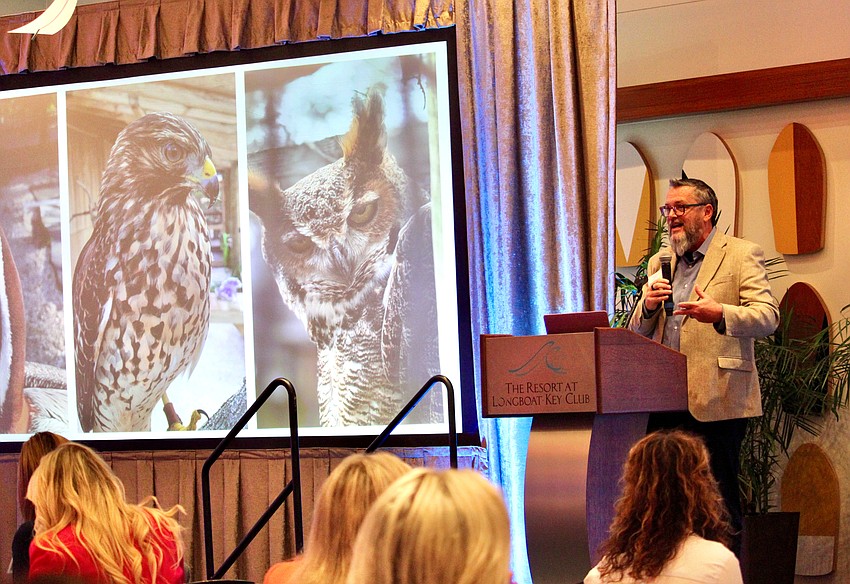
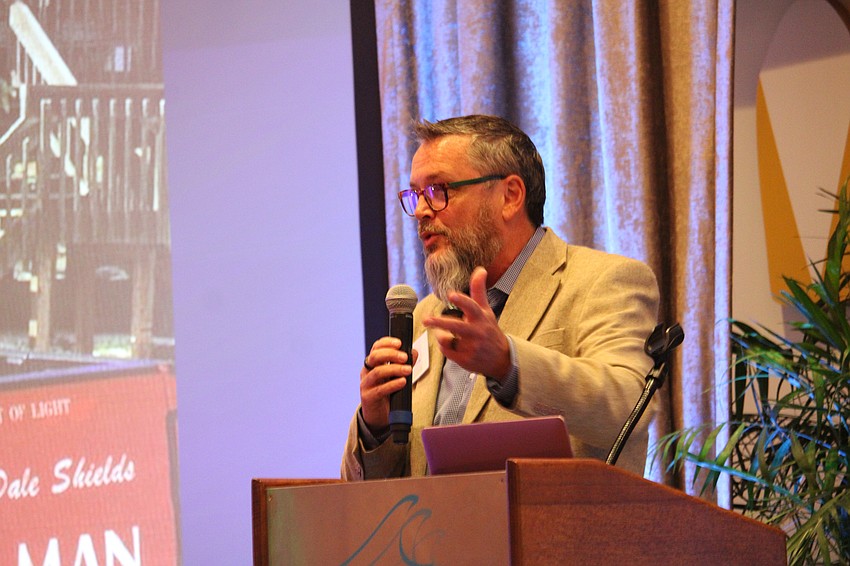
Next to present was Save Our Seabirds Executive Director Brian Walton. He shared the story of how Dale Shields' rescue of one brown pelican led to the creation of a rescue organization that now annually treats about 1,200 birds in distress.
Walton explained how the threats to bird populations are dire, citing a Cornell University statistic that we have lost 30% of existing birds in our lifetime, declining by 3 billion since 1970.
He quoted another statistic that 90 species lost 50% of their population in the last 50 years.
Those threats are particularly prevalent in coastal areas, where 25% of seabirds are officially at risk.
"Really, with our work at Save Our Seabirds, what we're attempting to do is to mitigate the negative impact that our presence has on the wildlife around us," he said.
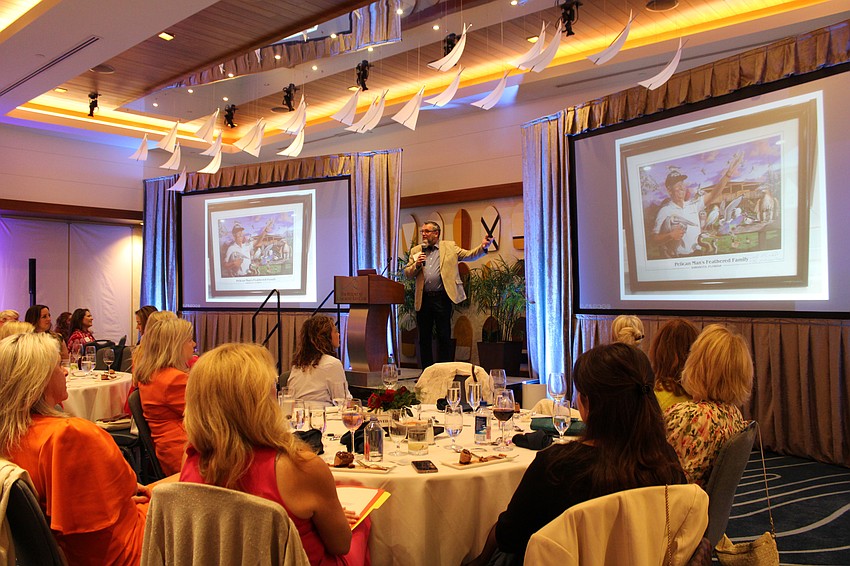
Save Our Seabirds is one of the groups stepping in to help, treating injured and sick birds at its City Island-based facility.
Walton said nearly 60% of the reasons they treat incoming birds stem from human encounters.
In contrast to those concerning statistics, Walton offered some hope-inspiring figures.
The organization's avian hospital has treated a total of 14,510 birds of 307 species. On the learning center side, their team has cared for 100 ambassador birds and welcomes 100,000 visitors annually.
Those visitors get to meet the birds that rescuers can't return to the wild but can still live fulfilling lives as educational ambassadors.
Besides serving the avian community, the Save Our Seabirds campus also offers a quiet respite for residents and visitors.
"What you will find on our campus is a relaxing, peaceful place where you can learn about more than 80 species of birds, and learn about some of the problems and challenges that affect us in avian conservation," he said.
Of course, medical care comes with a cost. In one example, it took just shy of $1,000 to rehabilitate a juvenile crane the center took in. But Walton said that investment goes a long way considering that the healed bird can go on to have 15 direct offspring with a second generation of about 50-75 birds.
Walton said support for Save Our Seabirds helps provide its resident birds with food, veterinary care and enrichment, and the more community support it receives, the more it can do to support bird populations.
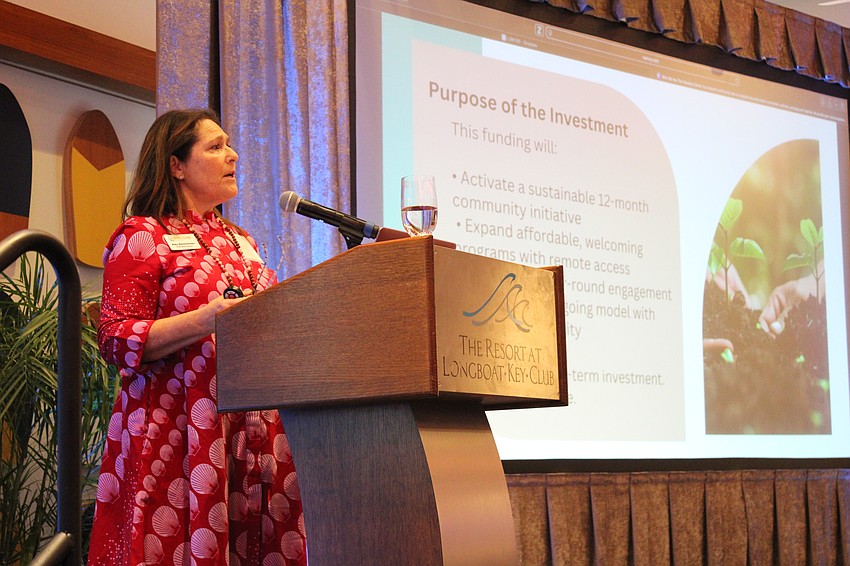
The Paradise Center's executive director, Amy Steinhauser, shared her personal story of being called to keep this lifelong education and wellness center running on Longboat Key.
She moved to the Key five years ago as an empty nester and former entrepreneur, and she turned to the community center for connection.
"The first few months I was here, all I did was go to The Paradise Center every single day with my friend and do every class that was there," she said. "I started to make connections here in the community. I felt like this was a place where I could thrive again because I needed to sort of reinvent my life."
When former executive director Suzy Brenner stepped down, Steinhauser said she couldn't bear to see the center risk losing its spark, so she stepped into the role.
This was an eventful past year for The Paradise Center as it navigated moving to its new space at Longboat Island Chapel.
With the boxes unpacked and event spaces ready, The Paradise Center has embarked on a new chapter filled with expanded programming.
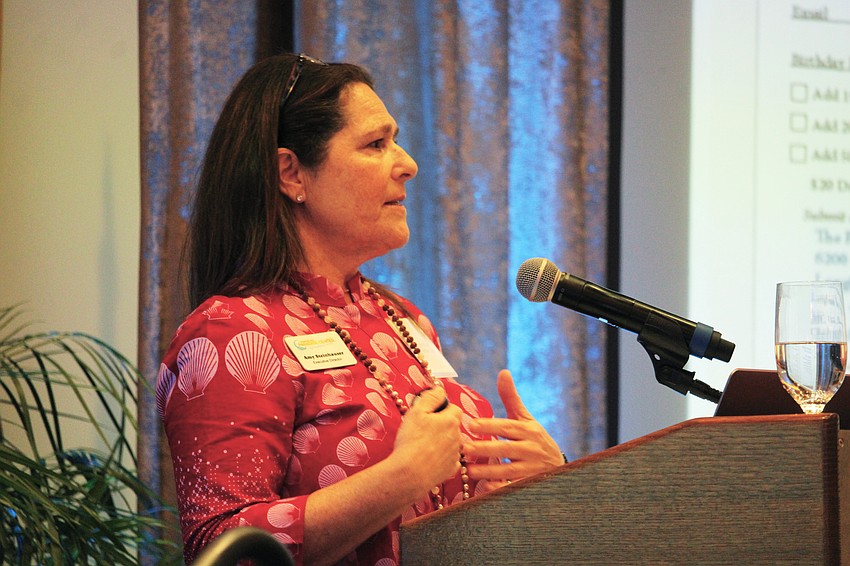
Steinhauser noted how imperative it is for the Longboat Key community to have robust senior services. Per a 2023 study, the median age of residents on the island was 72.
"Studies show strong social connections increase lifespan and reduce the risk of premature death by up to 50%. Social isolation is associated with higher risks of heart disease, stroke and cognitive decline," she said.
In the long term, the center hopes to further expand affordable, welcoming programs with remote access for those who need it. She said they hope to also eventually do more to reach homebound seniors.
Investments made now in the community's well-being help prevent residents from falling into crisis-level isolation. The fact that many of the center's offerings are free and open to all, even people who aren't Longboat Key residents, means the center is accessible to a wide range of people.
While the organization is now paying less for rent at its new headquarters, Steinhauser noted its still has to cover that cost plus the expense of paying its instructors. One main source of support is the $50 annual membership fee it collects, though programs are available to nonmembers.
The center is more than the sum of its parts, Steinhauser explained. It's a home to many Longboaters.
"At its heart, The Paradise Center is about belonging," she said. "We're not just a place where people attend classes. They build relationships."
Following the final pitch, attendees cast their vote for who would receive the collective donation. They were moved by the mission to feed children and ultimately selected FELT Inc.
When asked what it was about FELT's presentation that connected with attendees, DiPinto McKiernan said, "I really thought that when she broke the program down by age and showed how they're feeding kids on the weekends, and she told us how they need food that is easy for them to make themselves, it connected. When I came here, I thought it would be somewhat easy to pick. But it was actually really, really hard to decide. But I love that everybody had a say."
Organizers are already setting even bigger goals for their fundraising efforts for the program's second year. Keep updated at Facebook.com/LBKClub100.
This story has been updated to correct FELT's mailing address.