- March 19, 2026

-
-
Loading
Loading
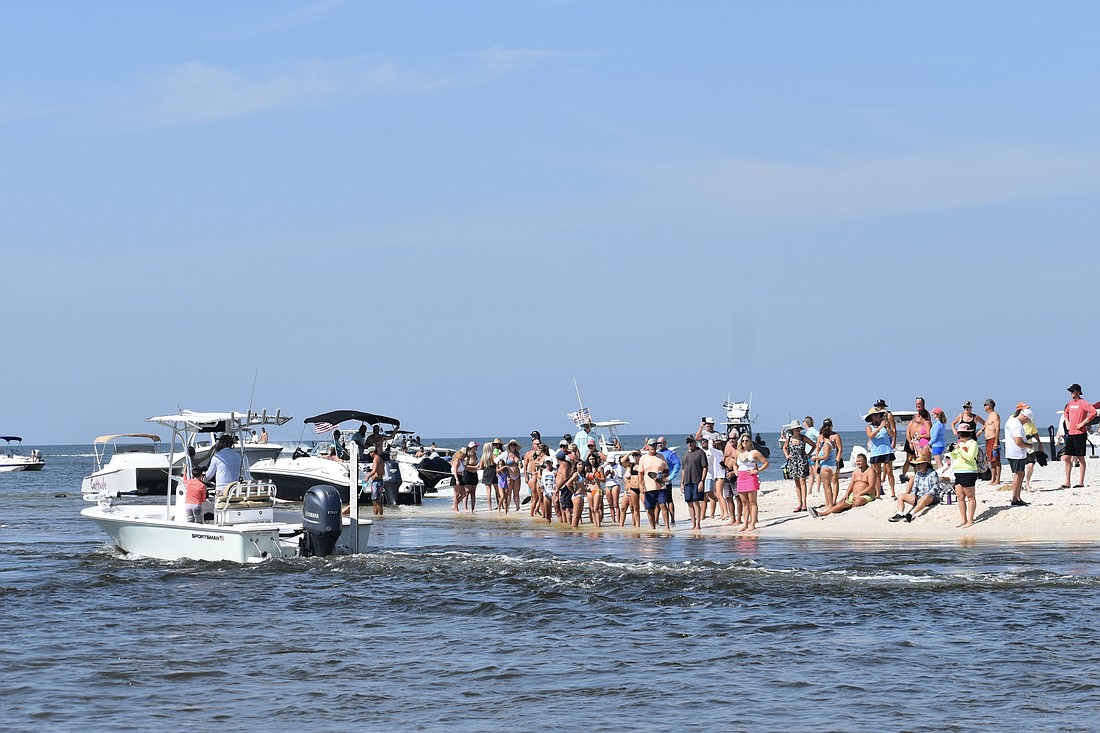
Water in 11-month-old Midnight Pass runs deeper, extends farther and flows through in greater volume these days than it has since October's Hurricane Milton finished the job September's Helene started by reopening the south Siesta Key waterway.
Now, more than 40 years since Midnight Pass closed the last time, Sarasota County leaders are devising plans to not only keep it open in the short term but also for the foreseeable future.
Less than three weeks after the Pass was torn all the way open by wind and waves on Oct. 10, 2024, survey teams began weekly measurements of its area, depth and flow at a consistent location. Those measurements indicate Midnight Pass might just stick around past infancy.
Among the most telling:
Although quick to caution about Midnight Pass’ young age and the natural fluctuations that come with coastal features of that age, evidence points to a relatively consistent, naturally made waterway, said Mike Jenkins, a senior principal engineer with ATM Geosyntech, a coastal management company hired by Sarasota County to keep tabs on Midnight Pass.
“To date, this pass has remained open post-Milton and is exhibiting behavior consistent with an evolving, unstabilized coastal inlet,’’ he said, explaining that only passes that have been engineered with jetties or dredging can be considered stabilized. “So, it is open as of post-Milton.''
The Sarasota County Commission heard Jenkins’ presentation on Tuesday as a portion of discussion on their role in keeping the Pass open. Inlet management is one of the most regulated segments of coastal engineering, commissioners were told, involving multiple state, local and even federal jurisdictions, they were told.
Permits can take years for full-scale dredging or structure building, Jenkins said. But the ongoing data collection, paid for with a state grant, is key to not only justifying potential efforts to keep the Pass open but also to signal when emergency action might be needed, action that is far more streamlined and without the same regulatory requirements.
Jenkins said the weekly surveys will allow experts to “raise our hands” if signs point to impending trouble.
Midnight Pass has long been a bumper-sticker worthy issue for boaters, politicians, environmentalists and residents in Sarasota County, especially on Siesta Key. Even Sarasota County’s official policy position on the pass employs an exclamation point in proclaiming Keep Midnight Pass Open!
The Pass opened in 1920 by a hurricane and closed in 1983 as a means of erosion control by two landowners who surreptitiously used sand dredged up nearby by the Army Corps of Engineers in the Intracoastal Waterway. Since then, numerous ideas and proposals for reopening the pass or pumping seawater across the narrow sand spit have come and gone, mostly rejected because of cost and permitting obstacles.
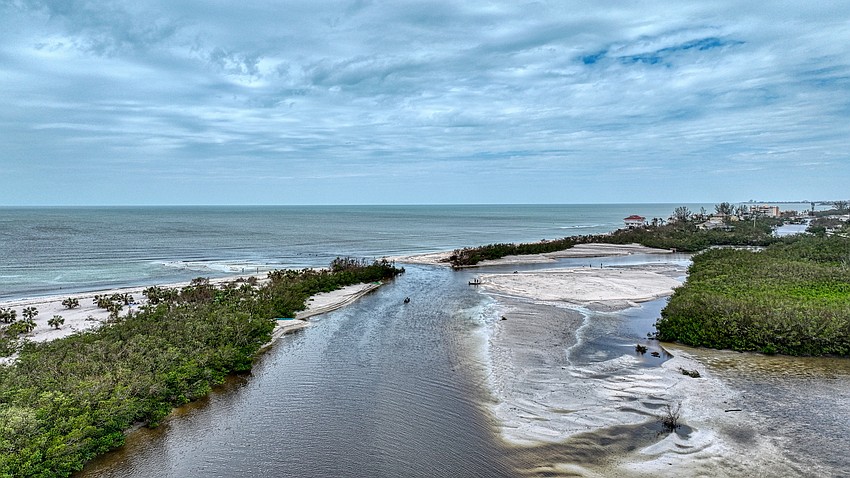
In the end, Hurricane Milton did the job in hours, for free and without anyone’s permission.
“You know, we’ve been trying to do this for 70 years, and I met with a group, and I told them ‘finally you elected me, and I got it done for you,'’’ joked Commissioner Ron Cutsinger.
Now, state authorities acknowledge Midnight Pass indeed meets the criteria of a proper pass and not simply a transient result of wind and waves. Thus, Sarasota County Commissioners are solidifying the position that Midnight Pass will remain open no matter what, either with stopgap efforts fueled by an emergency action or more defined and regulated means further into the future.
“October 10 of last year was a terrible day for the county, but there was a silver lining that Midnight Pass opened again,’’ said county Public Works Director Spencer Anderson.
One of the key issues in keeping Midnight Pass open is the difference between emergency actions to head off imminent shoaling or effects of a storm versus implementing plans to more broadly and systematically dredge the channel or build jetties or other structures to armor it against the sea.
Jenkins told commissioners that three factors could trigger an emergency response, such as land-based diggers clearing the way to maintain a “hydrologic connection” between the Gulf and Little Sarasota Bay.
Jenkins' three triggers are:
“I think these three items are a fantastic starting point,’’ said Commission Chair Joe Neunder, asking Jenkins what some other trigger points might be. "Is there an environmental component one might be able to argue down the road?”
Jenkins reminded commissioners that his three-bullet list was not “all inclusive, this is where we are today. It could certainly grow and evolve to include more elements.’’
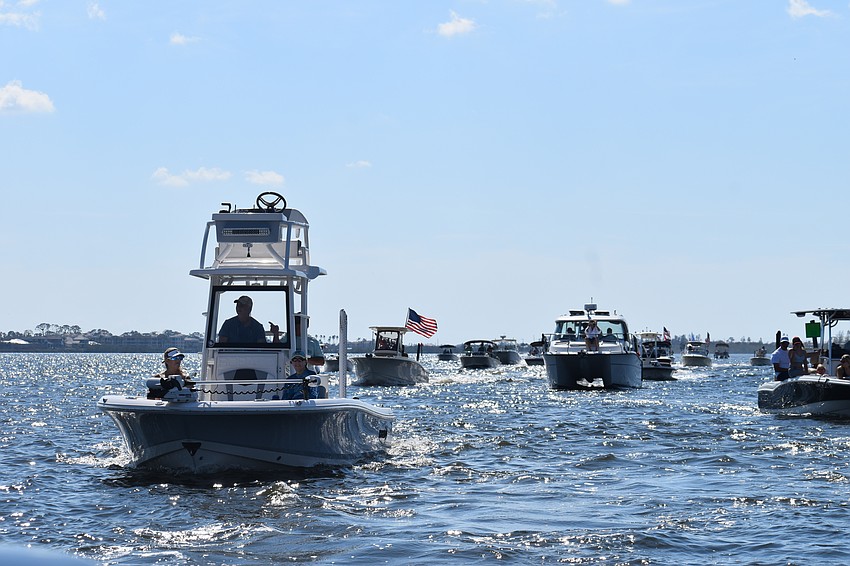
Neunder said law enforcement and commercial boat-tow operations have used the pass of late, perhaps connecting to a safety-related trigger point, as well.
“There’s a multitude of items that I’m probably not aware of,’’ Neunder said.
Jenkins said the ecosystem of the bay is also adjusting to the presence of additional saltwater flushing from one end of the system to the other, which could also point to an additional area of concern, should the Pass again begin closing.
“Right now, we’re focused on keeping the inlet open. At some point, there are going to be those broader issues and how we’re going to optimize the inlet instead of just keeping it open,’’ Jenkins said.
Those kind of considerations would likely lead to more formal management plans that have to look more holistically at the area rather than simply maintaining tidal flow.
Approvals for broader dredging or construction of jetties require consideration of beach-erosion effects along adjacent shorelines. Permitting through such agencies as Florida Department of Environmental Protection can take years, Jenkins said,
“The relationship we have with FDEP is vital,’’ Commissioner Teresa Mast said. “So I’m very appreciative of the very arduous process that you’re going through because I do think it builds a baseline. It gives us something that says historically this has happened, here’s the positive impact it’s had on water quality, the seagrasses, you can go on and on and on.’’
The Public Works Department's Anderson said more than half of the initial $500,000 state grant to conduct the weekly data collection at Midnight Pass remains unspent, but commissioners said it’s probably not too early to begin thinking of funding sources that can continue that survey work.
Also, informational signs might sprout in the area, advising boaters and others about the fragile seagrasses and wildlife there.
Beyond that, commissioners said they would like to develop a version of the presentation they received as a Town Hall-style session during which scientific experts, residents with deep historical knowledge about the previous version of Midnight Pass, government leaders and others can meet with the public. Mast said there is a wealth of local knowledge about the history and effects of Midnight Pass that could add to the conversation.
Although no format or dates were agreed on, County Administrator Jonathan Lewis said he would begin putting such an event together.
"I've been here my whole life, and we joke around about tubing through it,'' Commissioner Tom Knight said. "This is so important to our community, our water quality. All I know is it looks much different from when I grew up here, but it looks much better now that the pass is open.''