- March 17, 2026

-
-
Loading
Loading
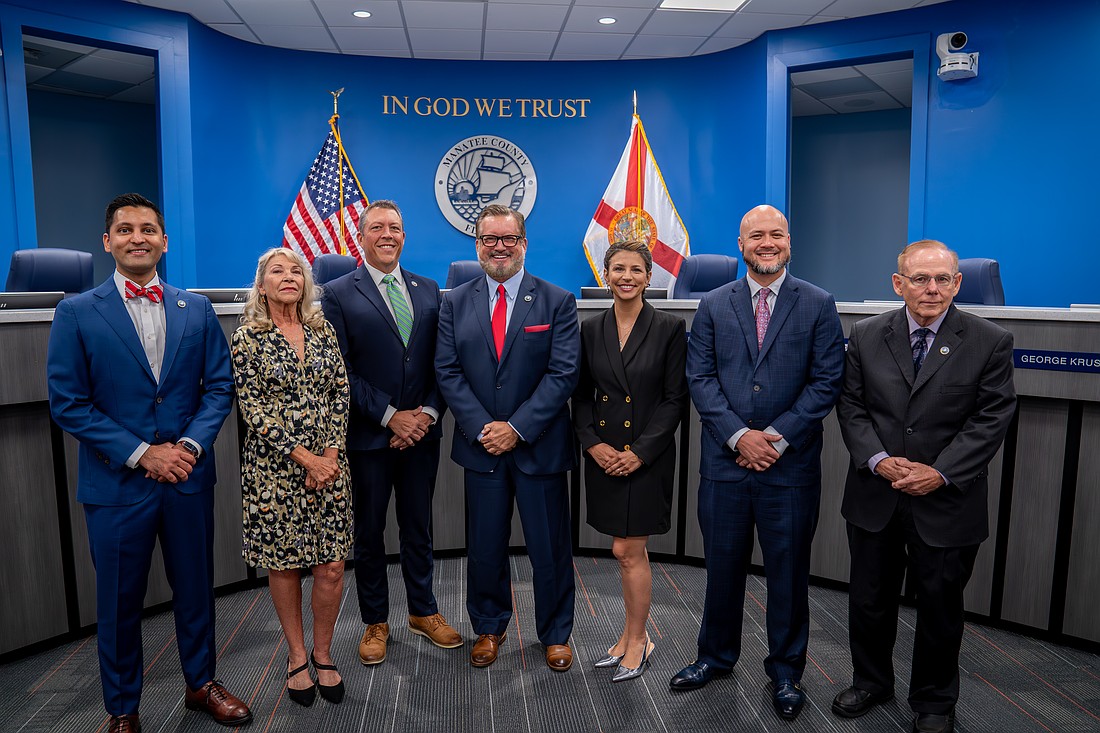
A “potential lawsuit” is now a pending lawsuit since Manatee County commissioners voted 6-1 on Sept. 2 to join nine other municipalities to challenge Senate Bill 180.
The bill, which prohibits local governments from passing “more restrictive and burdensome” regulations on development, has opened Manatee County up to litigation over commissioners' efforts to reinstate larger wetland buffers, raise impact fees and stop development beyond the Future Development Area Boundary.
Jamie Cole, a partner at the Fort Lauderdale law firm of Weiss Serota Helfman Cole + Bierman, is filing the lawsuit on the basis that SB 180 is unconstitutional because it imposes a blanket prohibition on the exercise of home rule authority over land use and zoning matters.
Cole was only willing to take on the case if at least 10 municipalities were willing to join.
“We are going forward,” Cole said by telephone Sept. 3. “There might be some other votes that I haven’t gotten a call about yet, but we definitely have 10, including Manatee County.”
Cole plans to file the lawsuit mid-September and said the other nine municipalities will be revealed then.
News reports show that Orange County (home to Orlando) joined Cole’s action, along with the cities of Deltona, Alachua, Stuart, Windermere, Edgewater, Delray Beach and Weston. Naples joined two days after Manatee County.
“(Senate Bill 180) is the largest intrusion into home rule authority of local governments since the 1968 (Florida) constitution was adopted and created home rule authority,” Cole said. “There’s numerous legal defects in the manner in which it was done that we plan to challenge.”
Commissioner Mike Rahn was the one commissioner to vote against joining the lawsuit. He warned his fellow commissioners that the move will be “received negatively from Tallahassee.”
“You can pretty much bet on that,” he said.
Following the meeting, he told the East County Observer that Manatee County could have taken all the benefits of a win with none of the consequences of challenging the state, which the county depends heavily on for funding from the Florida Department of Transportation.
Commissioner Amanda Ballard voted for the measure, but also expressed hesitation over how long the suit could carry on and “what it’s going to potentially cost the county (in both additional legal fees and a possible loss of funding).”
Cole is collecting $10,000 upfront from each municipality with a stipulation for another $20,000 payment if an appeal needs to be filed.
Commissioner Bob McCann isn’t worried how long the case will carry on because he said an injunction could be in place as early as October.
The lawsuit is seeking a declaratory judgment, which will legally clarify the language in Senate Bill 180.
McCann said an injunction, if granted, stops the action until a determination is made if SB 180 only applies to areas affected by hurricanes. Essentially, SB 180 would be “null and void” in the meantime.
“Could we put the wetlands and the development area boundary back during that time? Yes.” he said. “If they make a determination that the bill is constitutional and legal, retroactively, those things would go away again, but there’s no way they’re going to find that.”
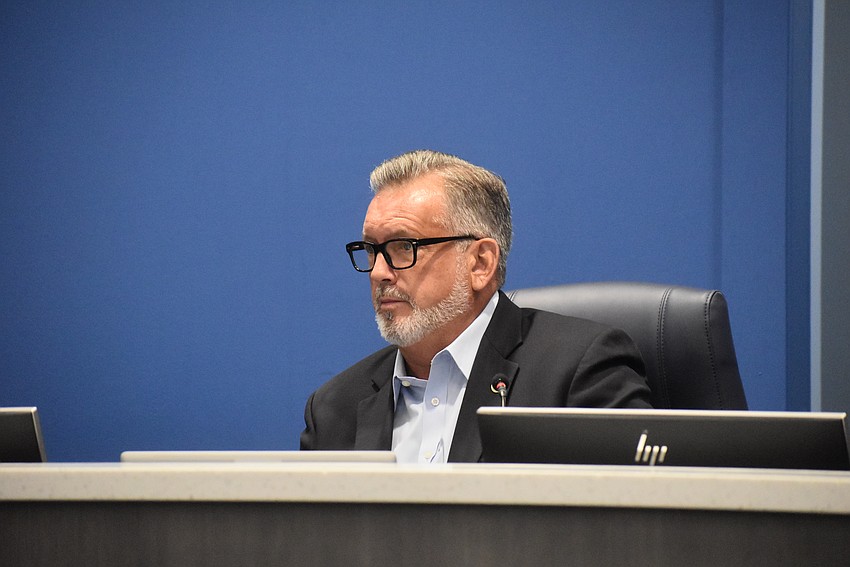
Rahn and Ballard maintained that working on a legislative level to amend the language in the bill would be a better approach than suing the state, but the rest of the board pushed ahead.
“I’m not going to be held hostage with somebody telling me they’re not going to give me $1 million to support a project,” Commissioner Jason Bearden said, “And none of us up here as county commissioners on this board should allow that to happen.”
Bearden went on to call out Senator Jim Boyd, Representative Bill Conerly and Representative Will Robinson, Jr. He asked them “to explain to the people of Florida and Manatee County why they voted for this bill and how they could fail to see the clear violation of their constituents’ constitutional rights.”
But Conerly questions which constitution Bearden is referencing because the county also falls under the state constitution.
“Home Rule power comes from the state,” Conerly said. “It doesn’t come from the U.S. Constitution. The reality is, if the governor wanted to, he could initiate the process to eliminate Manatee County. It’s not going to happen, but it’s within the right of the executive body and the legislature to create municipal entities and to eliminate them.”
Conerly agreed that the bill needs to be “tweaked” so the “more restrictive and burdensome” language can be defined, but he said when a bill is signed by the governor and becomes law, it is presumed to be constitutional.
He also noted that nobody is talking about the intent of the bill, which was to have a stable, local economy and not do anything that would compound the fiscal impact of a hurricane for a one-year period, not permanently.
Conerly supports what commissioners are trying to do, just not their approach, which he described as aggressive and belligerent. Unnecessary, too, he said, because commissioners still have the authority to deny projects that are proposed within 50 feet of wetlands or east of the development boundary.
“I think the probability of (the commission’s efforts) being successful is decreasing with the way they're going about it,” Conerly said. “They’re politicians. They need to be diplomatic.”