- March 19, 2026

-
-
Loading
Loading
A builder, a landowner and Sarasota County are heading back to mediation over a proposal to develop housing east of Interstate 75, across the street from the Celery Fields nature preserve.
The latest twist in this more than two-year saga took place Tuesday, Oct. 21 when Sarasota County Commissioners unanimously rejected a mediated settlement with landowner The Cindy L. Smith Revocable Living Trust and D.R. Horton, the developer behind the proposal to build the 51-acre project. County commissioners in February unanimously rejected the original request for a rezoning required to build 126 homes, backing the 4-3 recommendation weeks earlier by the county’s Planning Board.
“This is a flood plain,’’ Commissioner Mark Smith said on Tuesday. “I believe the decision we made earlier was the right one to be made.’’
In filing for mediation over the rezoning rejection, the landowner and developer argued the decision not to shift from open-use rural, with the potential for perhaps five homes allowed, to a more dense residential single-family home category was “unreasonable and unfairly burdens the use of the property,’’ according to the settlement agreement.
“Petitioners further allege that the county commission failed to base its decision on substantial competent evidence in the record of the proceedings and was inconsistent with the comprehensive plan,’’ the settlement further reads.
One of the developer’s cornerstones throughout the process that began when the original rezoning request filing in August 2023 was the county’s future land-use map, which designates the property as suitable for eventual residential use. Six individual parcels totaling 51.5 acres make up the land under consideration. County tax records indicate an assessed total value of $4.7 million.
Two sides bracket the land by the acreage of Celery Fields' southern cell and on two sides by housing tracts. In county documents leading up to the vote in February, Matthew Osterhouldt, the county's director of planning and development services, pointed to the land's double-edged identity.
"The proposal may be found both compatible and incompatible with the surrounding land uses," Osterhouldt said. "It may be considered comparable with surrounding development as it relates to similar residential land use and density, and compatible with light mitigation measures and increased separation and buffers to mitigate impacts. The proposal may be found incompatible as it relates to dissimilar land use and intensity in relation to the Celery Fields and as the only development with direct access to Raymond Road.''
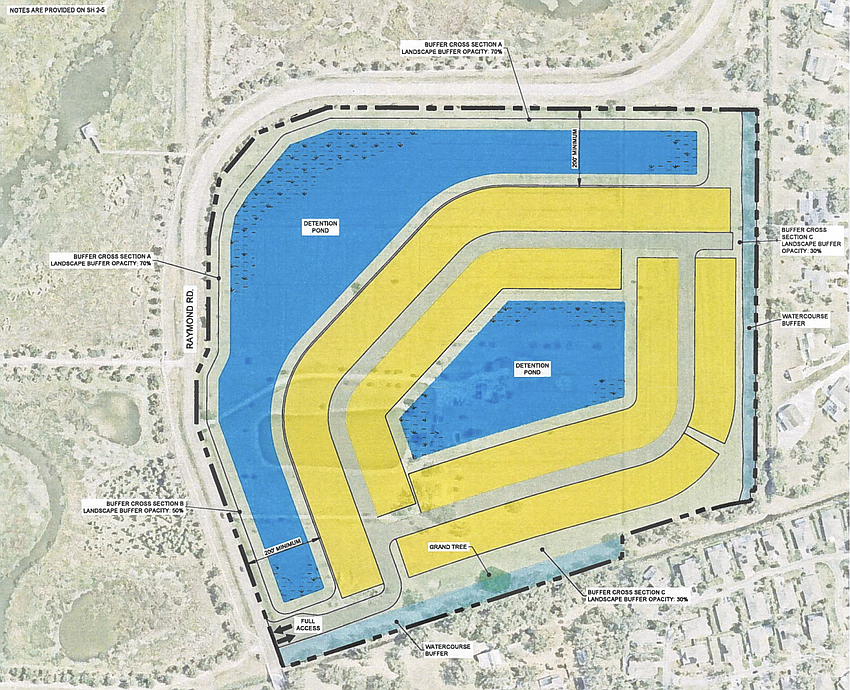
Had commissioners approved the settlement on Oct. 21, a new public hearing on D.R. Horton’s slimmed-down development plan that reduced the number of homes from 126 to 85 and made other changes would have been considered. But with the rejection of the settlement, the matter returns to mediation under the Florida Land Use and Environmental Dispute Resolution Act. There, following presentations of evidence, a magistrate will make a non-binding recommendation on the validity of the developer’s assertions.
“We think it was a win, win, win for all of the parties instead of engaging in a prolonged and expensive litigation,’’ said Charlie Bailey, representing D.R. Horton and the landowner, said of the mediation process before delivering his presentation to county commissioners.
Beyond the 32% reduction in the number of homes, D.R. Horton’s revised plan calls for extensive buffering along Raymond Road, which faces Celery Field’s southern section, and along the other edges of property that abut neighborhoods.
Also, one of two entrances was eliminated and replaced with more detention pond space, roof-color restrictions were added and streetlights were eliminated to adhere to dark-sky standards adjacent to the popular bird-watching, star-gazing and nature-viewing site.
“The project that’s before you now is not the same project,’’ Bailey said of the plan that at one time called for 170 homes. “The project before you is a very different project that was before you in February.’’
Addressing flooding concerns that have been with the project since its early days, Bailey added the project’s stormwater system was designed to capture more than 11 inches of rain in 24 hours.
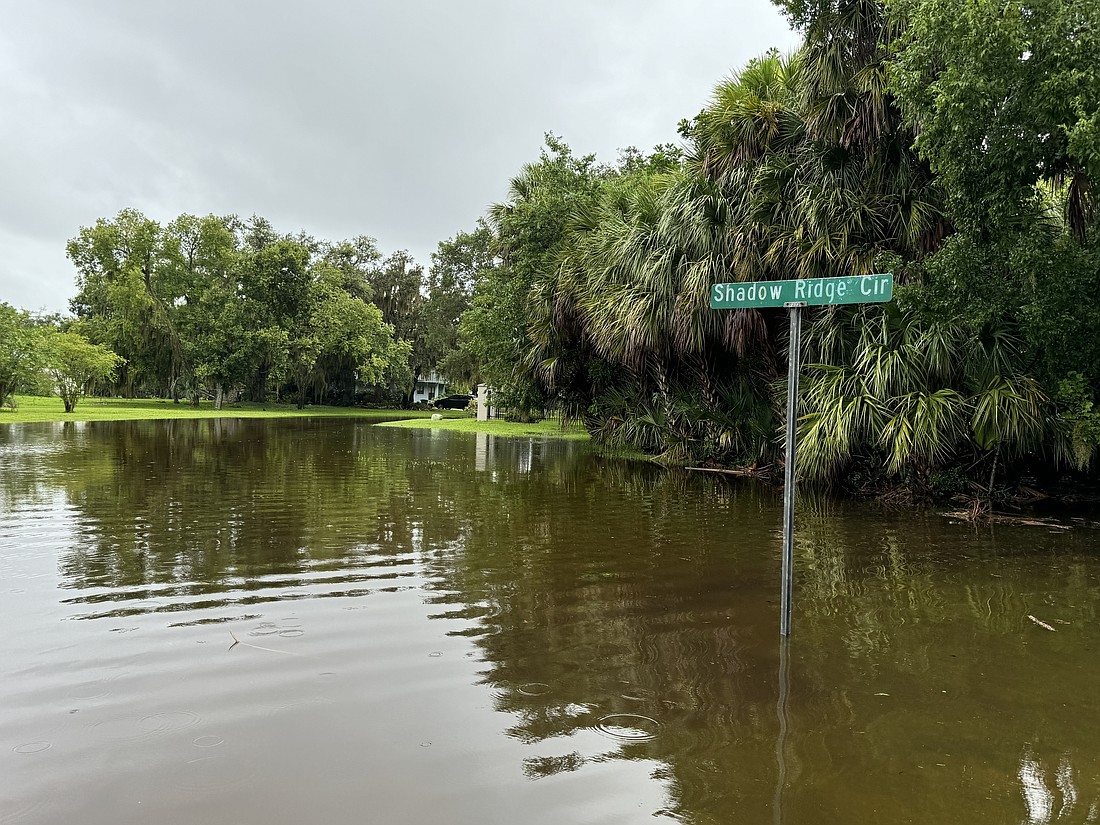
Areas of Sarasota County received close to 20 inches during Tropical Storm Debby in 2024, deeply flooding across Palmer Boulevard, which intersects with Raymond Road. Flooding, residents say, remains one of their main concerns regardless of the changes to the scope of the proposal.
“How many flooded homeowners do you need to hear from to provide ‘competent, substantial evidence,’’’ Connie Neeley said. “Don’t kid yourselves. We all know this is not about evidence, this is about money.’’