- March 17, 2026

-
-
Loading
Loading
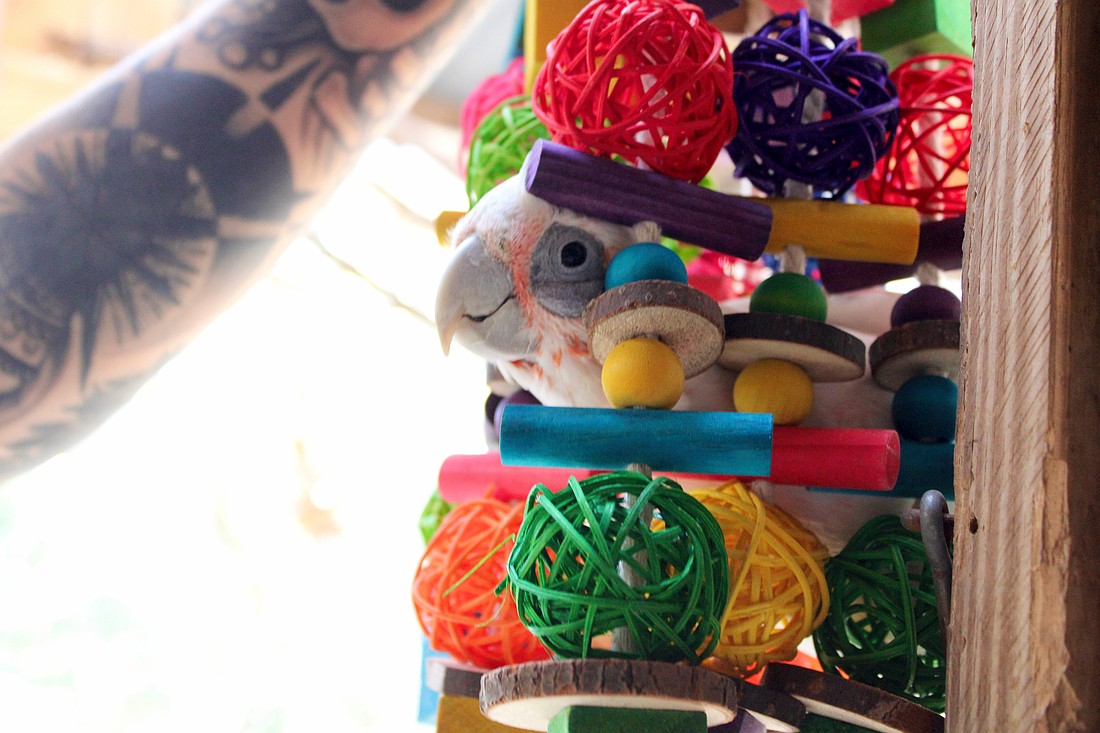
Helios, the resident bare-eyed cockatoo at Save Our Seabirds, curiously peered down at Director of Outreach and Education Lisa Wood, who entered his enclosure with a brilliantly colorful chandelier of wooden beads, disks and balls all strung together. One clawed foot reached over another as he carefully climbed down the wire walls to meet her. Then, to Wood's delight, he dove all the way through his new enrichment toy until just his white-and-pink-feathered head and curious, inspecting eyes poked through the other side.
Swiss development psychologist Jean Piaget found through his research that cockatoos show some of the same markers of intelligence as a 4-year-old human child.
Obviously, it takes quite a bit of enrichment to keep such a smart animal entertained, and the inhabitants of Save Our Seabirds have been thoroughly enjoying community members' latest efforts to do just that.
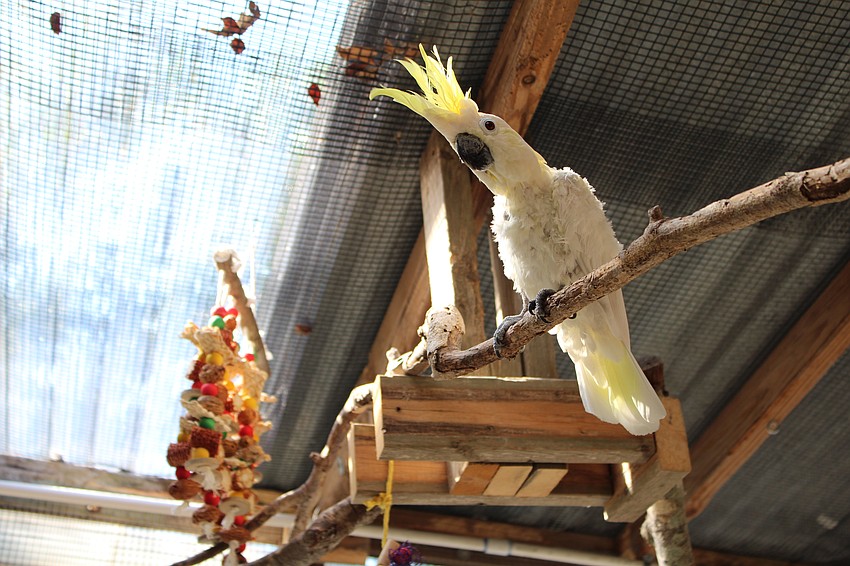
The avian rescue facility recently launched a new "Beaks and Boxes" initiative. Supporters near and far can purchase an enrichment toy on its Amazon wish list and see a video of one of the birds testing out the treat.
Wood said the idea came about as a way to more meaningfully engage with those who support the rescue group's mission.
Each bird has its favorite type of toy, but fan favorites include anything with cardboard and other materials for them to rip up, like a dog with a chew toy. Other popular ones include puzzle boards, where the birds must work to uncover treats.
Staff members have then been filming the parrots digging into their new presents to share with supporters. Those who purchase a toy can get a special video shout-out by putting their name in the "gift" option when checking out online.
Wood said the enrichment plays an important role in keeping the birds healthy and mentally stimulated.
While birds come to the rescue center from all sorts of situations, Wood said most of the parrots in Save Our Seabirds' care came from homes where the birds outlived their owners and didn't have another place to go that could meet their needs.
She said she wouldn't discourage someone interested in getting a parrot from doing so. However, she would encourage potential pet owners to fully research a bird's lifespan and the complexity of its needs.
Save Our Seabirds has been undergoing extensive renovations and improvements this year.
One of the latest developments is combining two old enclosures to make one, larger space to accommodate the new red-shouldered hawk coming to the facility.
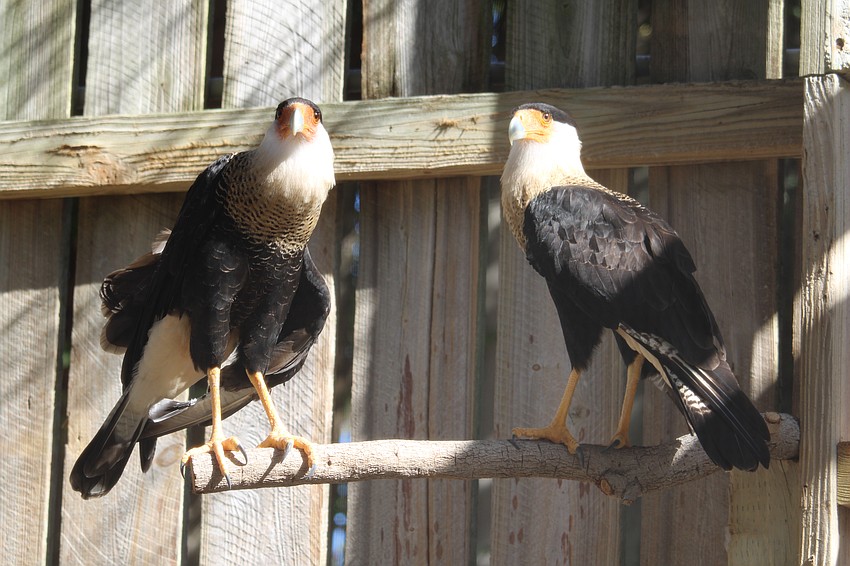
This unique raptor is known for being one of the most distinctively marked common hawks, and Wood shared her excitement for the new addition.
The hawk's arrival coincides with new programming. She said handlers will soon be launching daily "Ravenous Raptor" feedings at 1 p.m., similar to the current noon pelican feedings.
Save Our Seabirds is concurrently working to increase its capacity on the hospital side of operations, which Wood said will be especially useful when larger waves of birds come in for treatment at the same time. Influxes of red tide-related illness and flocks arriving after long migrations are some of the main causes for large-scale demand.
Initiatives like Beaks and Boxes support the facility's ongoing mission to care for the area's avian population, and Wood said the team likes coming up with fresh, fun ways to show supporters what a difference their help makes.