- March 19, 2026

-
-
Loading
Loading
A pilot program that uses a drone to deliver lifesaving medical supplies is poised to take off after the Federal Aviation Administration updated its regulations on public safety drone operations in April.
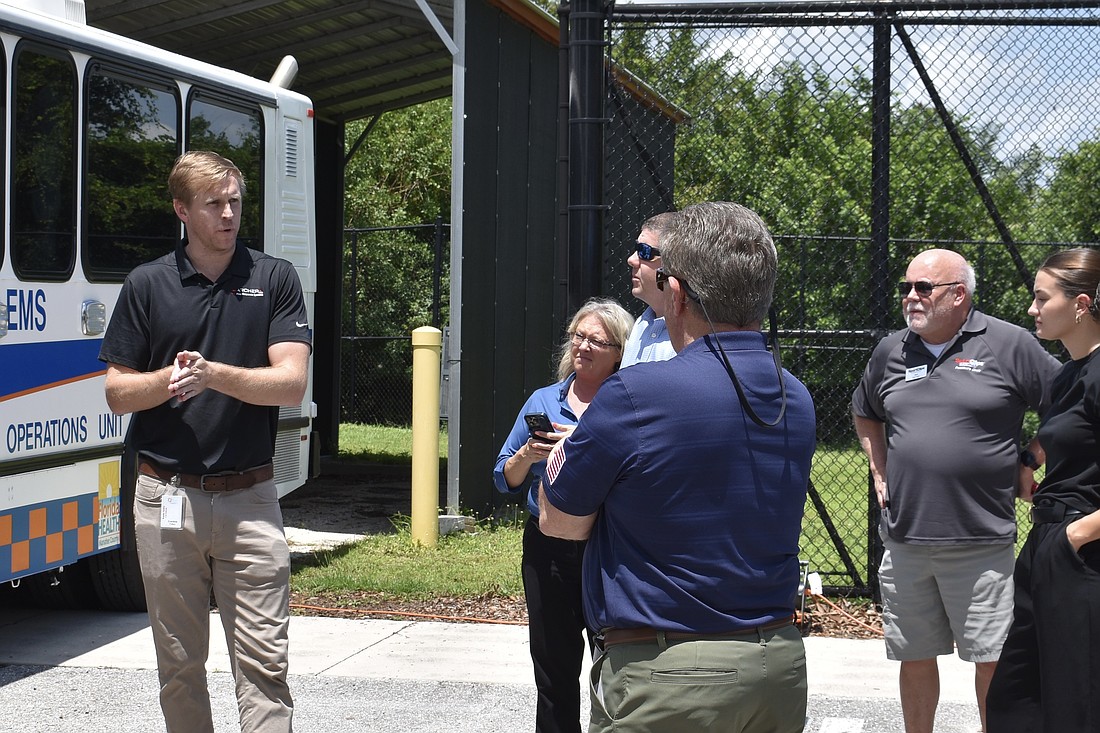
Gordon Folkes is the founder and CEO of ArcherFRS, the company that partnered with Tampa General Hospital to launch the pilot program that operates out of the Lakewood Ranch EMS station on Malachite Drive.
“We’ve had the infrastructure in place,” Folkes said. “So I’m grateful the FAA has created a clear path for public safety operations.”
ArcherFRS was operating in compliance with the standard the FAA’s updated regulations set — the drone must remain at or below 200 feet and be equipped with an ADS-B receiver to detect aviation in the area.
Folkes noted that the changes have also expedited FAA approvals. Before the changes, FAA waivers to fly a drone beyond the visual line of sight took about a year to be issued. Over the last two months, Folkes has seen those same waivers issued in less than a week.
The drone has sat ready and waiting in a ground hub outside the Lakewood Ranch EMS station since May 2024, but hasn’t been deployed yet. One reason is that its FAA-approved coverage area was only 3.5 square miles.
The drone is stocked with supplies to treat a wound, cardiac arrest or a drug overdose, but only about 5,000 people live within 3.5 square miles of Malachite Drive. Given the limited population, just one call in over a year required the drone’s supplies.
However, that call was made on a day that the drone didn’t pass its pre-flight checks because of a thunderstorm.
On a clear day, the drone is meant to reach an emergency faster than an ambulance, but it’s not meant to replace an ambulance or the care paramedics and EMTs provide.
Until an ambulance arrives, the dispatcher will stay on the line to direct the caller on how to retrieve and use the necessary supplies — an automated external defibrillator for a cardiac arrest, a tourniquet for a wound or Narcan nasal spray for an opioid overdose.
The drone is an added service that, as of now, costs Manatee County $1 a month. The regular rate is $10,000 a month, but commissioners would have to approve those costs.
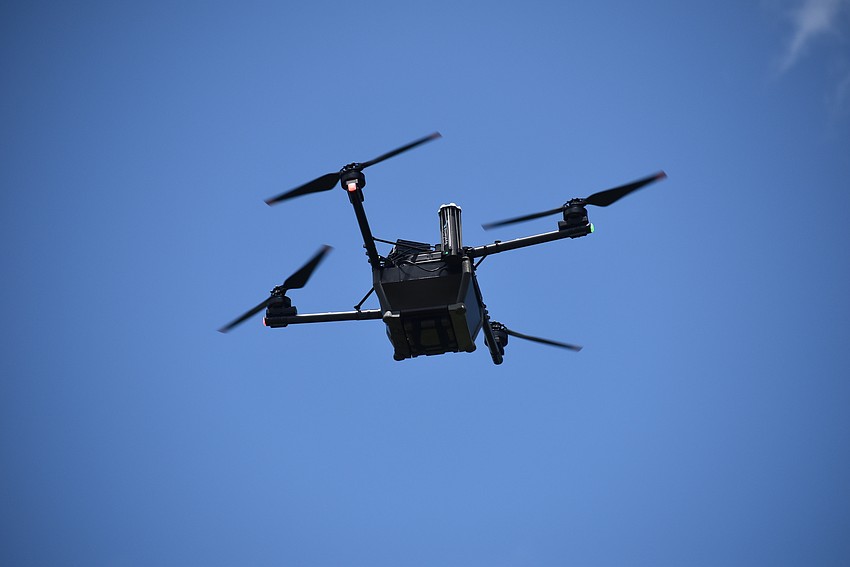
James Crutchfield, deputy director of Public Safety, noted that the average response time is about eight minutes for an ambulance and under three minutes for a drone.
“What matters most is giving residents greater access to care,” Crutchfield said. “We’re excited to expand this program so more people in our community can benefit from this service.”
As of Sept. 29, the drone can respond within 35 square miles of the Lakewood Ranch EMS station. About 42,000 residents live within the expanded coverage area.
The hours of operation are also expanding from daylight hours on weekdays to 6 a.m. to 10 p.m. all week long.
Folkes said the initial operation was limited by the FAA to the “visual line of sight,” which required staff to be on site at the EMS station anytime the system was active. The operator had to keep the drone within their eyesight, which is about 1.2 miles in any given direction.
While the FAA approved the program to operate “beyond the visual line of sight," ArcherFRS staff will continue to remain on site when the system is online.
For now, the hours are limited by manpower. ArcherFRS has four pilots on staff, which man the program in two eight-hour shifts a day.
The company is currently hiring and building out its flight operations team. Once additional personnel are trained, the program can transition to 24 hours a day.
Prior to the expanded coverage area and hours, Folkes said the system was using 4% of its capacity. Now, it will use up to 95% of its capacity.
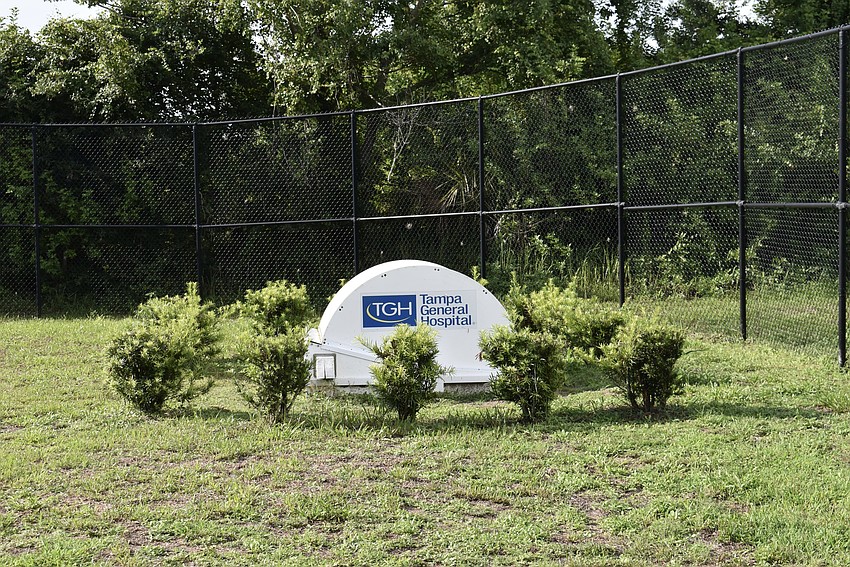
While it took well over a year to move the pilot program through the FAA restrictions, Folkes described the time operating under Manatee County EMS as greatly beneficial. It’s allowed his team to make software improvements and harden the resiliency of the system staying online.
“Without a real world implementation and pilot, there’s just a lot of unknowns,” he said. “Before the pilot program, there was no operating procedure on how a 911 dispatcher even goes about requesting a drone delivery for a life threatening event.”
Folkes credited Manatee County as being an excellent partner in helping to define the standard operating procedures and how the process fits into the workflow of 911 dispatchers and EMS staff.
With the system online and operational, the ArcherFRS team was also able to monitor the weather and air traffic systems to collect data and perform testing.
“This has never been done before,” Folkes said. “(The pilot program) is introducing the next generation of emergency first response, and it’s really awesome that Manatee County is the tip of the spear on it.”