- March 19, 2026

-
-
Loading
Loading
One misconception surrounding domestic violence is the idea that it's a private matter best left to be resolved by those directly involved, according to advocate Talia Casey. In reality, she said, each instance ripples out into the wider community, and only through conscientious, comprehensive support that gives power back to survivors can a community work toward a brighter future.
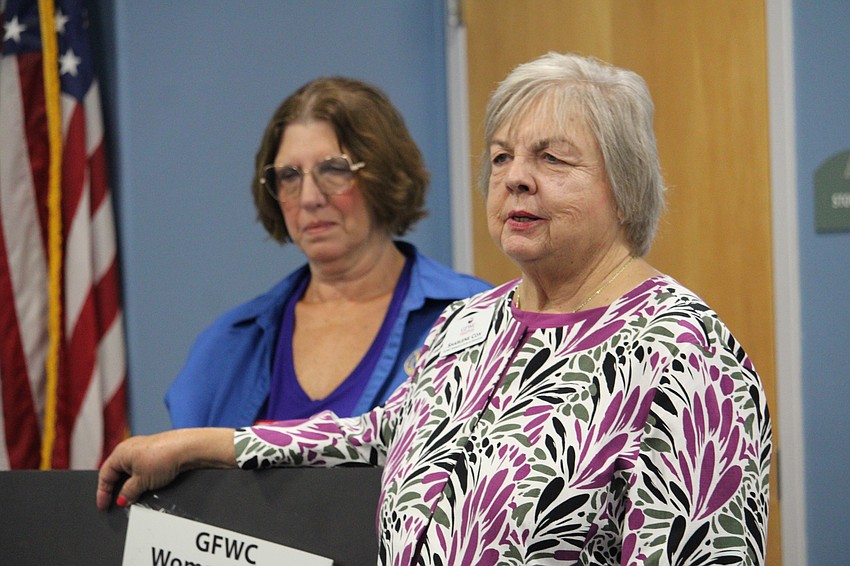
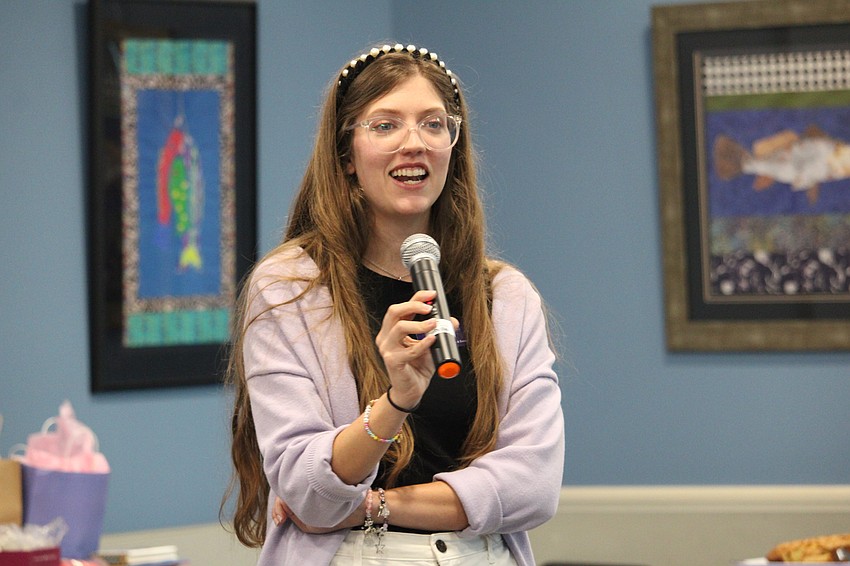
Casey, a victim advocate with the Safe Place and Rape Crisis Center, dispelled misconceptions and spoke about the center's available services with members of the GFWC's Woman's Club of Sarasota to recognize the start of Domestic Violence Awareness Month.
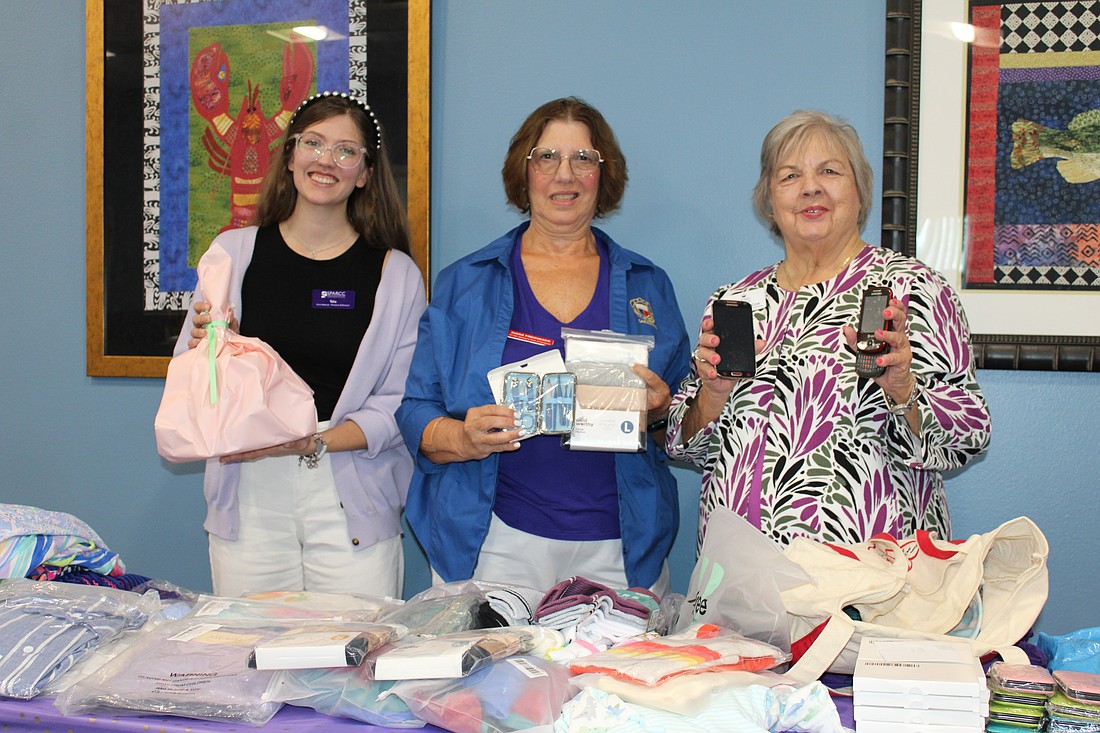
Club members invited Casey to speak at Fruitville Library on Sept. 30 for their Day of Service. They also presented the $1,400 that members collected, along with items to donate for survivors, including cell phones, diapers, hygiene kits and more.
Casey emphasized the importance of normalizing conversations about domestic violence.
"Domestic violence can often be overlooked or minimized because it is misunderstood," she said. "We aim to change attitudes and beliefs to prevent this through our awareness work."
Along with its multitude of free legal and medical support services, SPARCC also runs a shelter for survivors, giving them an immediate place to go after leaving a dangerous situation.
One other misconception Casey addressed is that leaving an abusive situation is always as simple as walking out the door. She said on average it takes about seven attempts to leave before it is the final time. Leaving can also be complicated when children, pets or other loved ones are involved.
"There are many reasons a survivor may not leave," she said. "A survivor may also be attempting to leave, but you just don't see it. They know how to keep themselves safe. ... They are capable of making the choice to leave when it is safe for them to do so. It is not up to us as people witnessing or supporting them to make that decision for them."
Casey said one of the most impactful ways community members can support survivors is to listen without judgment. Supporters can help loved ones find helpful resources, but she said supporters should also ensure they are empowering survivors to make their own decisions about how to move forward.
Experts identify domestic violence as a cycle of one partner exercising control over another, throwing equal power out of balance. It doesn't solely include an act of violence.
This cycle can often start with a single act, but then perpetrators may try to convince their partner it won't happen again and isolate them from supportive friends and family expressing concern.
SPARCC's services are free to anyone who needs them. Casey said trained advocates are there to support survivors through hospital visits, custody disputes, making a plan to leave or reporting a crime to law enforcement, but only at the survivor's request. Except in specific situations involving mandatory reporting, advocates follow strict confidentiality rules.
A final misconception Casey addressed is the belief that domestic violence could never happen in one's own relationship. An abusive relationship doesn't have a uniform look, and it can include everything from emotional to financial abuse, even if it never escalates to physical violence.
Whatever the circumstances, SPARCC's trained team is poised to help.
Love Is Respect is a national advocacy organization offering online quizzes to help identify unhealthy and healthy relationships. Visit LoveIsRespect.org for more.