- March 19, 2026

-
-
Loading
Loading
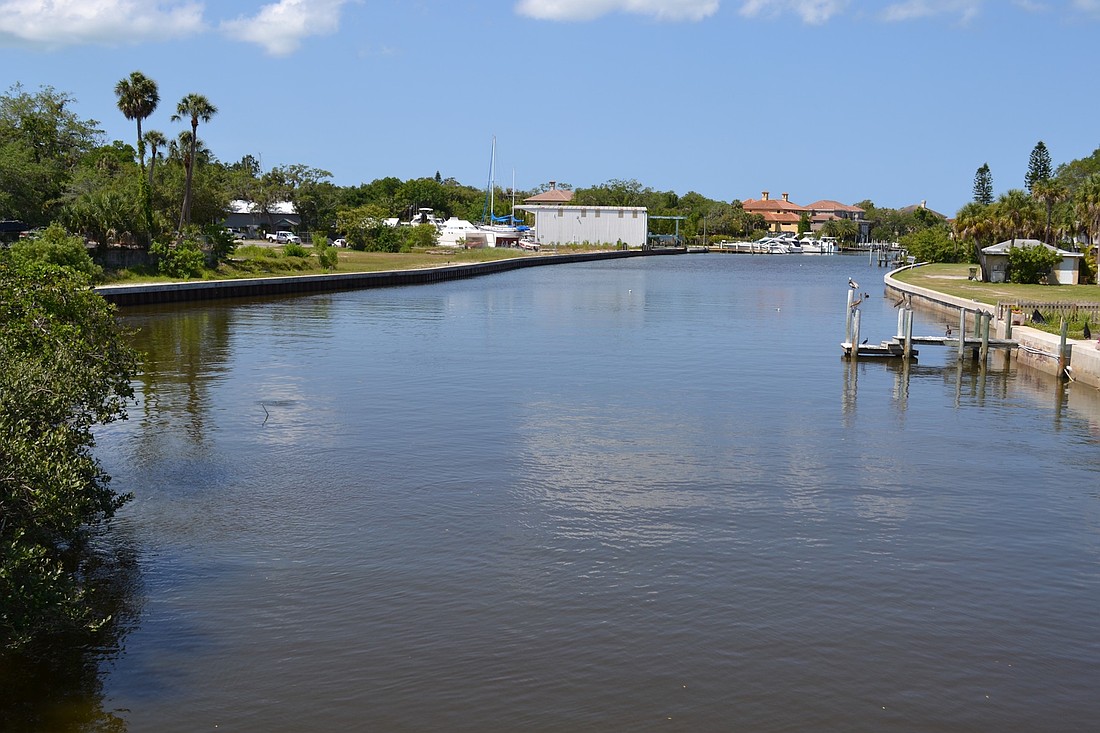
Projects to improve the flow of stormwater through Hudson Bayou and Whitaker Bayou in Sarasota will receive $23.7 million in funding from federal grants.
At its Nov. 18 meeting, the Sarasota County Commission approved nearly $30 million in Resilient SRQ funds for both bayous as requested by the city of Sarasota and to expand the holding capacity at Celery Fields, which feeds into Phlllippi Creek.
On Jan. 16, 2025, the U.S. Department of Housing and Urban Development allocated $210 million in Community Development Block Grant — Disaster Recovery funds to Sarasota County to support recovery and mitigation efforts following the 2024 storms Debby, Helene and Milton.
Of that total, the county designated $30 million toward dredging of major waterway projects. The county received applications for three projects — Hudson and Whitaker bayous within the city limits, and from the county for Celery Fields
The definition of a major waterway is a river, bay, creek or canal that receives and carries stormwater drainage from a large area or has a continuous flow.
At a cost of $15 million, Hudson Bayou dredging will remove 80,500 cubic yards of sediment to meet the 100-year flood protection standard, address chronic bank erosion and use native vegetation to prevent future sediment buildup. The Resilient SRQ request is for $13.7 million, the remainder a local match.
The Whitaker Bayou dredging project will cost $20 million and will remove 118,000 cubic yards of accumulated sediment to restore stormwater capacity to reduce neighborhood flooding. That project depends on a $10 million grant from the U.S. Army Corps of Engineers. Sarasota Public Works Director Nikesh Patel told county commissioners he expects approval of that funding from the federal government in early 2026.
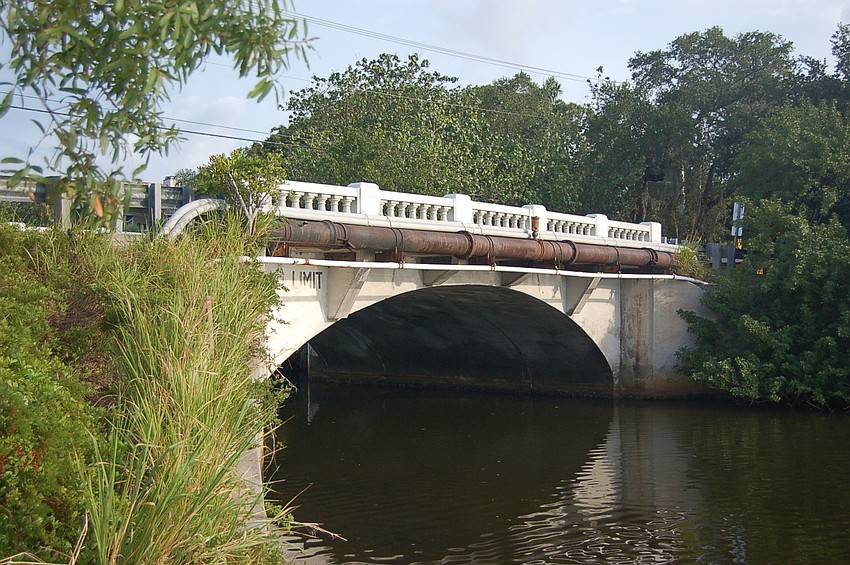
Most of the members of the public who spoke were in support of Hudson Bayou just south of downtown, but Interim City Manager Dave Bullock made the drive to Venice for the meeting to support Whitaker Bayou, which impacts Newtown, Central Cocoanut and other areas north of downtown.
“We fully support Hudson Bayou,” Bullock said. “You’ve heard a lot about that today, but don't overlook Whitaker Bayou. Whitaker Bayou serves as drainage for one of the lowest-income census tracts in the county, and it's very important. Many homes were flooded, and the streets were flooded, and it took a long time to go down. Hudson Bayou has a lot of advocates. I may be the only one for Whitaker Bayou, but it's very important to the city.”
Commissioner Teresa Mast included the provision to hold Whitaker Bayou funding until securing the remaining $10 million.
“This is a big lump sum of the funds, and if for some reason you're not able to get the appropriation it would be beneficial for us to know so that we can then reallocate those dollars if we choose to do that today,” Mast said.
Having suggested applying a date certain to that allocation, Tom Knight was told by Mast, given her experience in dealing with federal appropriations, some flexibility is in order.
“I think we might need to go a little further out because, even if they are able to get it, a lot of times it takes up to six months to get those appropriations,” Mast said. “It’s very challenging, so I would not want to restrict them from being recipients.”
On Nov. 3, Patel told the Sarasota City Commission the bayou dredging projects will take four to five years to complete. The federal grants require Resilient SRQ funds be spent within six years.