- March 19, 2026

-
-
Loading
Loading
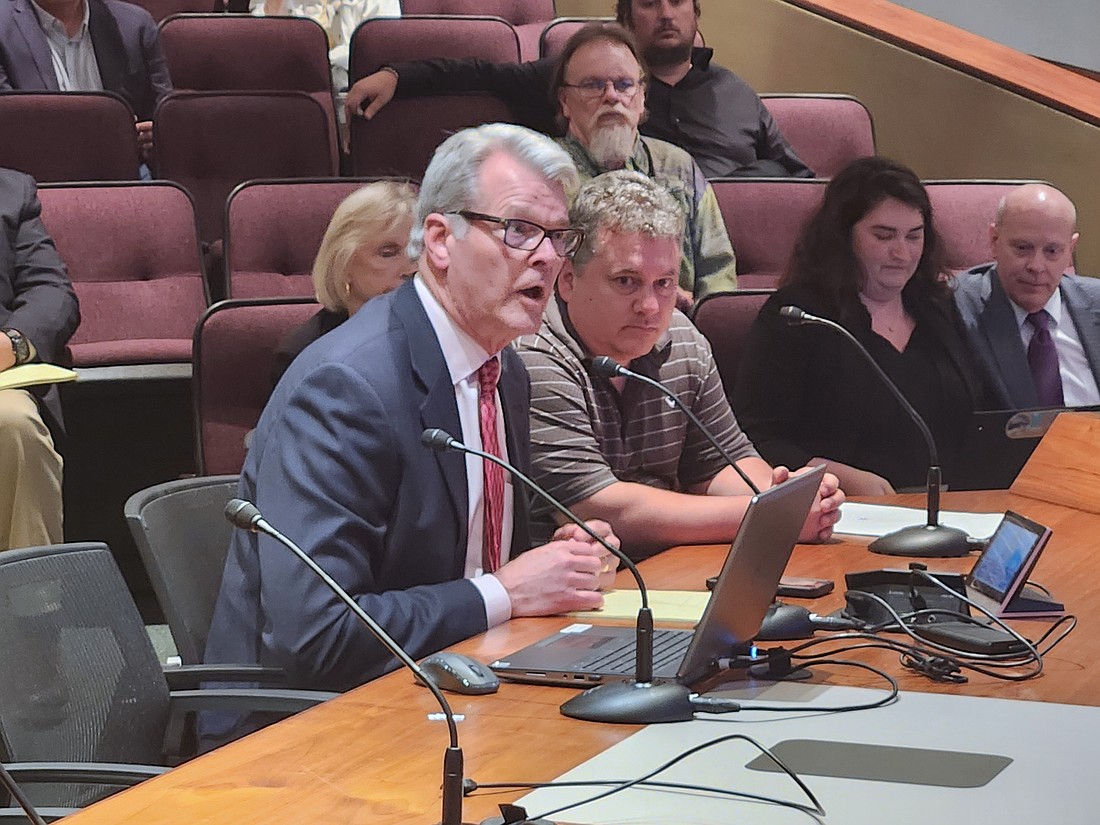
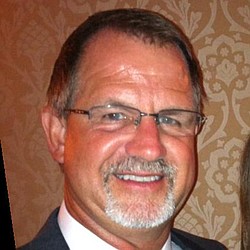
Land use attorney Bill Merrill has witnessed two transitions of downtown and, as a representative of property owners and developers, was deeply involved in the latest one.
Growing up here as a Sarasota native and Riverview High School graduate, he recalls a sleepy little town where there was little to do in the core of the city. There were very few residents in the central business district with a smattering of small retail anchored by department stores such as Maas Brothers, JC Penney and Montgomery Ward.
Then came the suburban flight of retail that followed residential growth east of the city and, by the late 1980s and early 1990s, big retail either closed or moved to malls, leaving downtown as little more than commercial offices.
“There was little to do there for young people. It was mainly office. You get here at eight or nine, you leave at five, or you get a happy hour at five, and then you're gone,” Merrill said during a May 28 presentation to the Downtown Master Plan 2020 Update Committee. “We used to kid around and say that Sarasota back then was very walkable because there were no cars around and you could take a nap in the middle of Main Street and not get run over.”
Merrill was among five presenters to the committee at that meeting, each providing a unique perspective of Sarasota before and after the current downtown plan was adopted in the early 2000s. He joined the city’s longest-serving planning staff member David Smith, former mayor and city commissioner Mollie Cardamone, Gillespie Park neighborhood leader Linda Holland and commercial real estate broker John Harshman.
Merrill’s early career took him to Aspen and Fort Collins, Colorado, Fredericksburg, Virginia, and many points in between where he performed public sector work for local and regional governments. That included work on a comprehensive plan and land development code in Fort Collins in the mid-1990s alongside a proponent of New Urbanism, not too unlike the approach he would find upon returning to Sarasota.
“The (Fort Collins) master plan (was) similar to Andres Duany,” Merrill said of the architect of the city’s current downtown development code. “It was totally foreign to me at the time, and it was a big shift.”
His prior work on a similar comprehensive plan left him aware of the benefits of Duany’s approach, but also of potential pitfalls. In representing private land owners and developers here, he leaned on that experience to challenge various aspects of the Downtown Master Plan proposal before its final adoption as a Comprehensive Plan amendment in 2003.
Merrill brought seven issues related to the Comprehensive Plan amendment to the forefront:
A legal settlement in 2003 resolved the seven issues, leading to adoption of the Master Plan and the corresponding amendment to the Comprehensive Plan. To avoid similar entanglements as it develops the plan update, Merrill emphasized the importance of an open, inclusive processes, clear standards and incentivizing desired development.
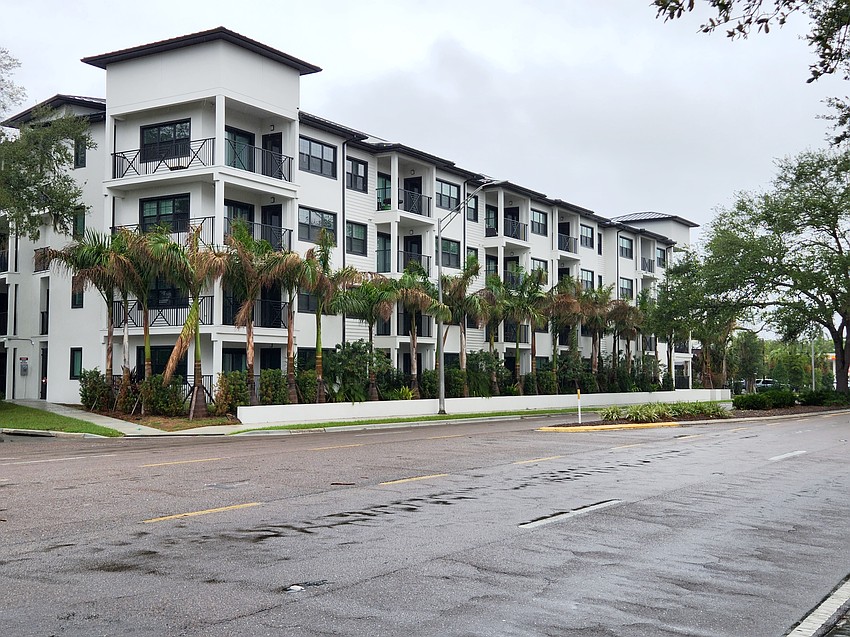
Merrill left the committee with some final thoughts from those he represents in the development community
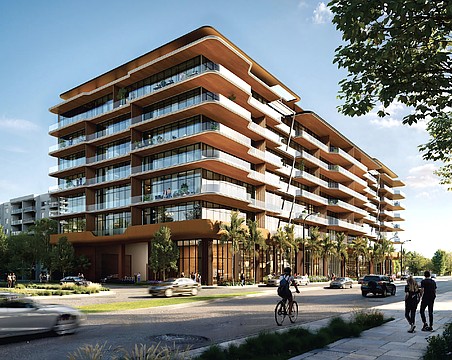
“Some of the biggest complaints that we've had are building too close to the road, which was required by the code, and also the some of the height issues where they're going above the heights that we normally would expect for a 10-story or 18-story building,” Merrill said.
Among the principal tenets of New Urbanism is building to the edge of the street and placing parking behind the buildings. That is a Duany philosophy intended, in part, to create a visual corridor that naturally slows speeds, particularly along highways such as U.S. Highway 41.
Merrill would like to see that addressed in the update.
“Our group objected to the zero-lot lines for the high traffic roads like U.S. 41 within the downtown,” he said. “We're fine with that on the local roads, but on the main highways we actually wanted to have those setbacks.”