- March 16, 2026

-
-
Loading
Loading
If you were a student at The Out-of-Door Academy during the late 1920s to early 1930s, you might have enjoyed an excursion few could boast about.
Students visited Thomas Edison, a friend of the school's founders, at his estate in Fort Myers, to celebrate his birthday with him during the last three years of his life.
Along with meeting Edison, notable visitors to the school included Eleanor Roosevelt and Jane Addams, while Ralph Twitchell, a founding member of the Sarasota School of Architecture movement, designed two buildings at the Siesta Key campus.
Yet when the school, a site on the National Register of Historic Places, celebrated its centennial year in 2024, an additional once-in-100-year event took place.
Hurricanes Helene and Milton.
Although many of the campus's landmark buildings ultimately weathered the storm, the school decided it could not salvage one of its three older structures, a former dormitory, which is planned to be demolished before the start of school on Aug. 14 this year.
Yet campus administration says despite the hardships that were posed by the storm, the school is eager to embrace its history on a campus that joined the National Register of Historic Places in 1994.
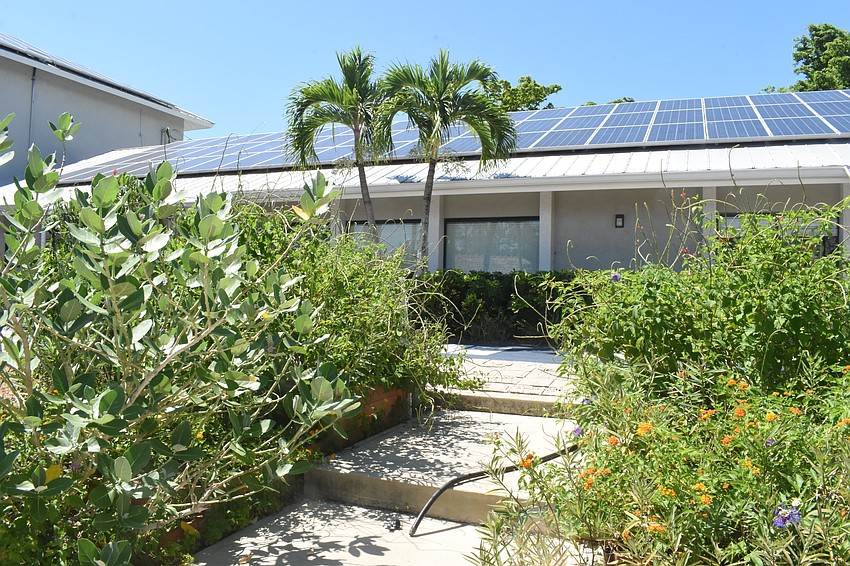
In Siesta Key, the early wood buildings on campus are now dominated by a three-story concrete building, which was constructed in 1989 and topped with an array of solar panels, an anonymous gift from a school parent.
Yet the school's real history is based around learning in the open air, as evidenced by the large outdoor cabanas still in use on the property.
Founded in 1924 and a nonprofit entity as of 1977, the school serves over 870 students, from pre-K to 12th grade, across its three campuses.
Two women, Fanneal Harrison and Catherine Gavin, who were followers of Ovide Decroly, a European pioneer of progressive education who encouraged children in their individual interests, established it on the island.
They facilitated students' engagement in activities like swimming, sailing, horseback riding, and even carpentry, which allowed students to help construct school buildings.
Director of Enrollment Management, Laura Murphy, said in the 36 years she had been at the school, she had thought many times, while preparing for a storm, that she wouldn't return to a campus.
"This time I didn't think that, and this is what happened," she said.
The school is now deciding what will replace the site of the former Boys’ Residence — most recently the Welcome Center and Administration Building — that was severely damaged by the storms.
Originally an army barracks, the building was gifted to the school at the time of its opening, with its prefabricated wood-frame design reflecting the simple and cost-effective nature of barracks.
“At that time, being gifted a building is very helpful to a startup school, like it was,” Murphy said.
Back then, she said, 70% of students were seasonal, arriving on a bus that would travel to northern states.
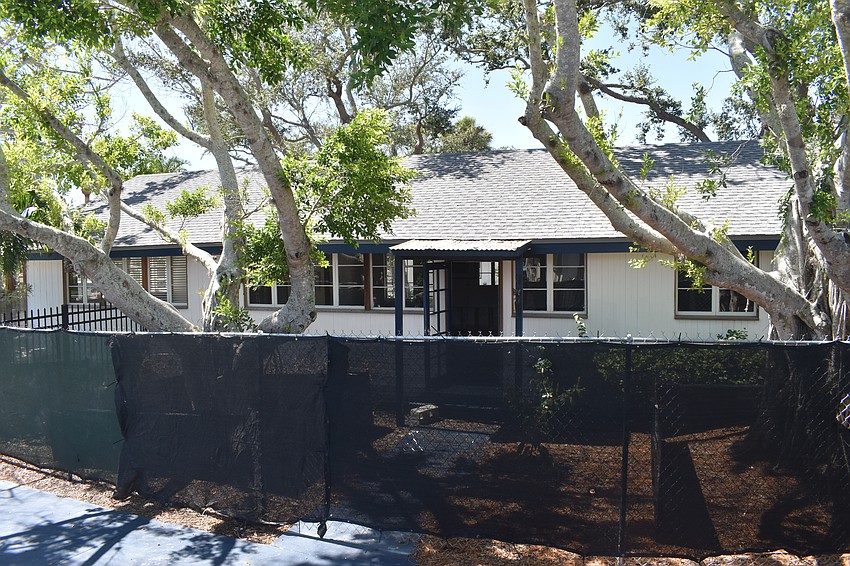
After the storms, the building's floors were removed, and after examining the cost of repairs and the safety of students, the school decided on its demolition.
It was a former student who gave the blessing to proceed.
Kent Hayes, the vice president of Tandem Construction, had attended the school along with his mother, aunt and uncle.
“When Kent told us it wasn’t going to be saved, we knew that was the case, because this means a lot to him and his family,” Murphy said.
“I have a long history and respect for the school and campus," Hayes wrote in an email to the Observer. "Unfortunately, there are many factors that should be taken into account when weighing the admin building’s restoration vs. demolition, and I think ODA was very thoughtful in their approach as they evaluated and eventually concluded that the risks far outweighed the benefits.”
He said historical restorations tend to be cost and time-prohibitive, but more important for the school was prioritizing a "safe and resilient space" for students.
“I believe there are still many ways to pay homage to the administration building by saving the murals, fireplaces, light fixtures, and doors,” wrote Hayes. “What doesn’t change is ODA’s long tradition of inspired education, and it doesn’t take this building to carry that forward.”
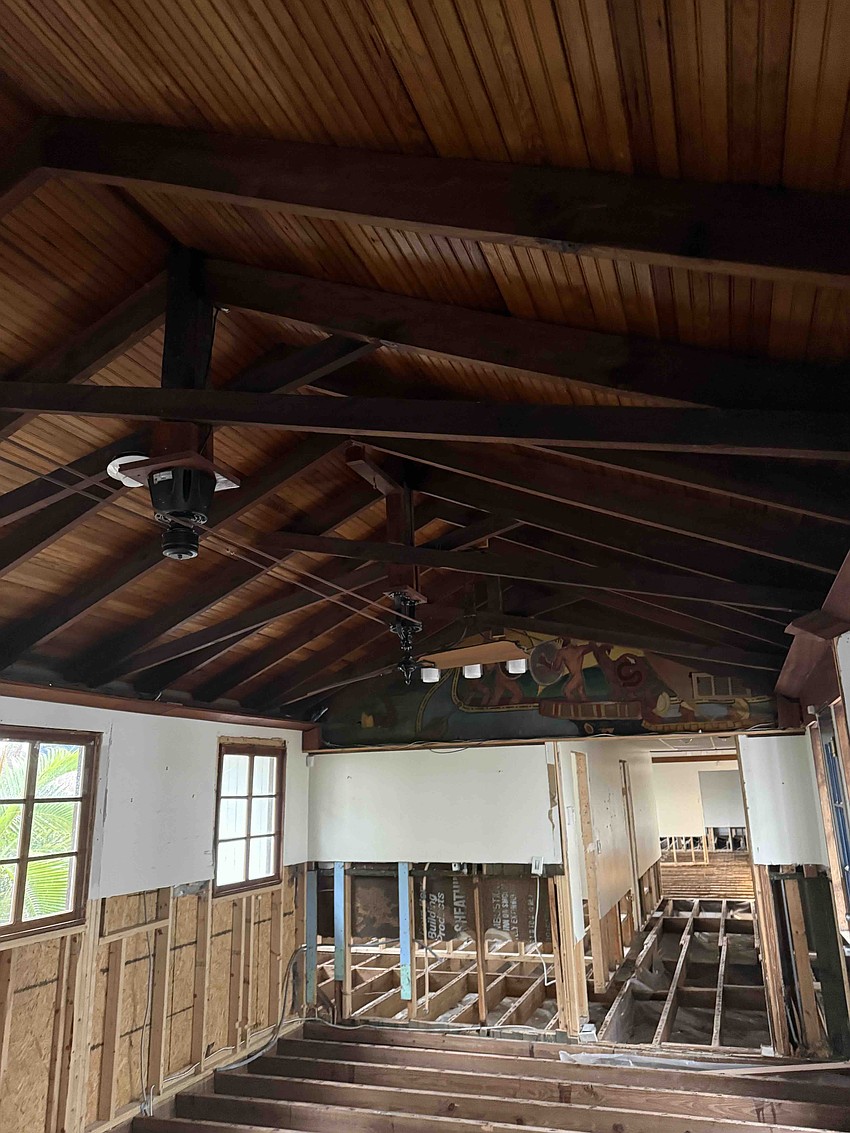
The campus will retain two murals, which were salvaged along with doors, as well as potentially one of the three fireplaces.
In 1926, Newton Hodgson painted a mural on the upper wall, inside one of the building's roof trusses, and in 1939, his cousin, Mary Cocker Fassett painted one on the opposite wall. Both paintings were intended to depict progress.
“When we redid the inside of this building to sort of bring it back to the times, we saved those murals because they’re such an important part, and when we have alums come in, they recognize them right away," Murphy said.
Yet staff say the two Ralph Twitchell-designed buildings on campus serve as its major historic fixtures.
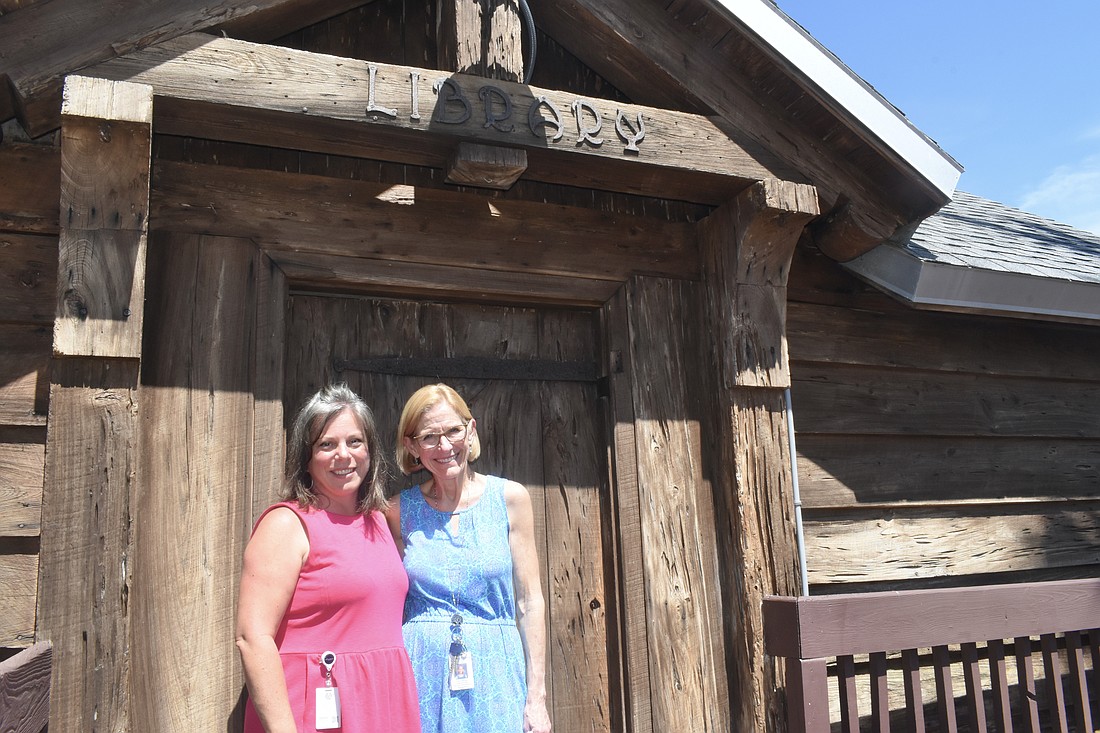
The Catherine Gavin Memorial Library, a cabin-like wooden building, withstood the storms effectively, said Murphy.
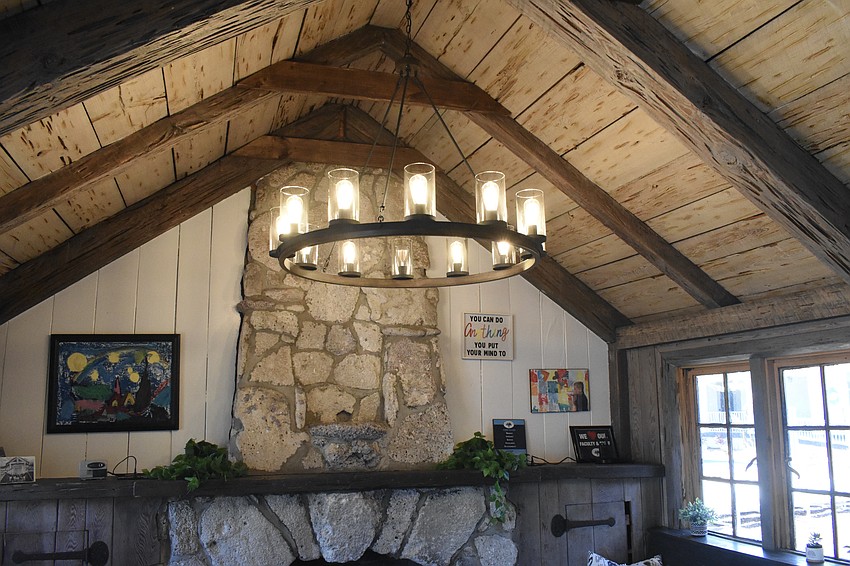
Although water did reach the cabin, leading to work on its floors and electrical components, as well as repairs on its deck that are currently underway, its wooden structure held up through the winds.
“This building, this building built by the students, is probably the strongest building on campus," Murphy said.
Now an office space, the library was built in the 1920s by the faculty and students and named after Gavin, who died in 1933.
In 1992, it was moved to the center of campus, where it was placed on piers to protect it from flooding.
Communications spokesperson Jen Horvat said for a while, it has been used as an office by the head of school. She said this location ensures the library is visible to all students, with the head of school at the center of the community.
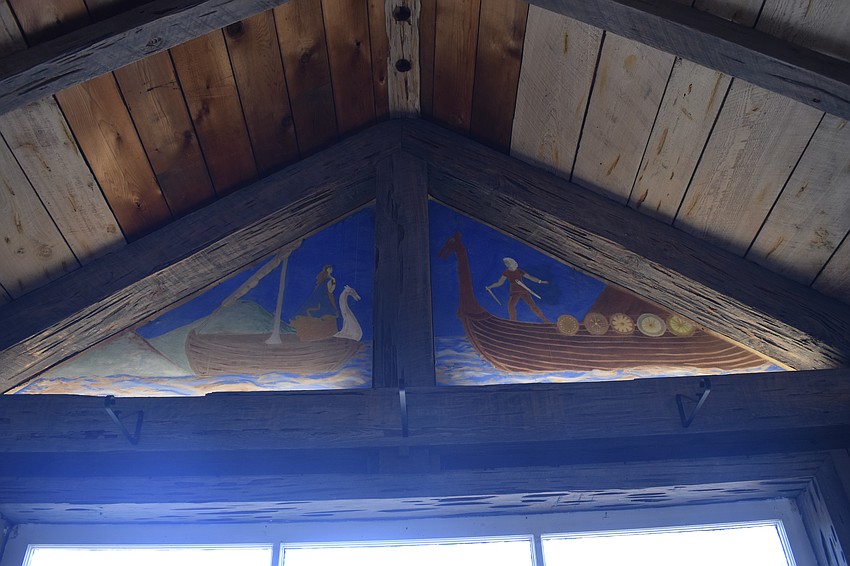
Inside is a fireplace, as well as door latches and windows soldered by students. Like the former Welcome Center and Administration Building, it also includes murals in the roof trusses. However, these depict European history.
“It’s still very much the same building,” said Head of Lower School Jessica Banks.
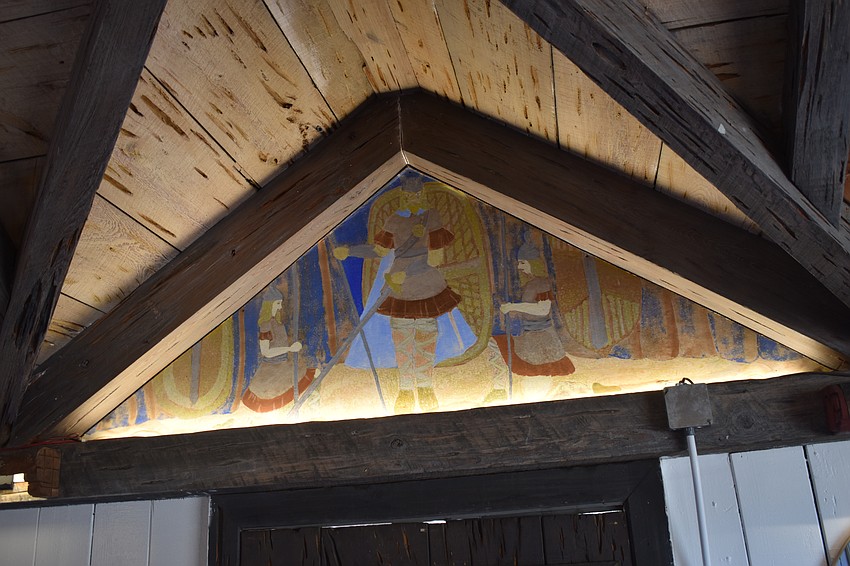
Murphy said two individuals who returned to the school painted the murals at a time when she had been working there for five or six years, and reflect what they would have learned as students during 1930s and 1940s.
Additionally, the school's theater, now its multipurpose building, was designed by Twitchell around 1935 to 1936, and was moved to the southwest corner of the main campus in 1974, where it continues to serve the community, including as an election polling site.
The campus is where The Players Centre for Performing Arts began in 1932, utilizing the school's library, and briefly the theater space, prior to the construction of its own theater in 1936.
However, not all of the history is wood buildings, and there's one aspect that is set in stone.
In fifth grade, students create their own stones during art class, which are then added to the tiles on the outdoor walkways.
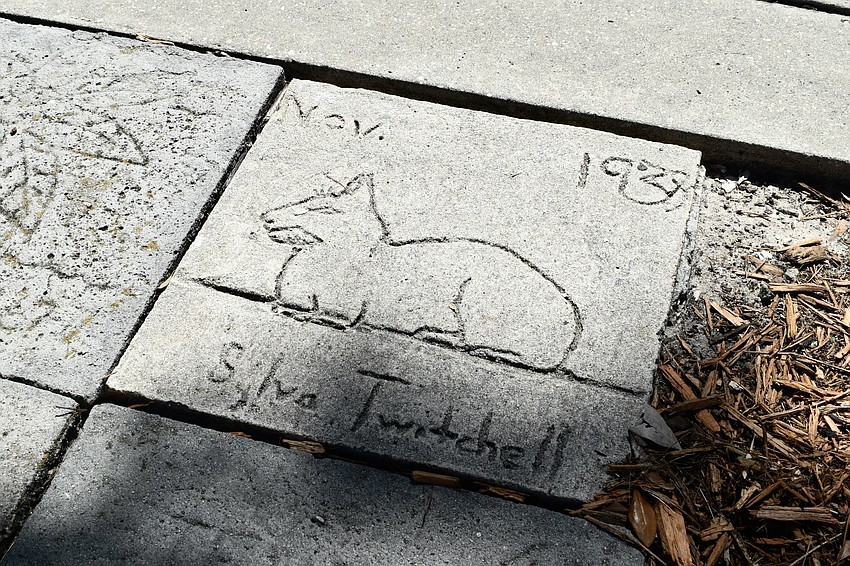
The tiles date back as far as the 1930s, and as space continues to fill, the school is looking at possibilities for the future, including mosaics or smaller tiles, said Banks.
When it comes to the site of the former welcome center and administration building, the use is still to be determined. Horvat says the space will most likely be a welcome center, with possible admissions office.
While the school looks to use the salvaged pieces of the building throughout the campus, it also eyes a new tie to its beach cottage history, Banks says.
"The classrooms need to be modern, they need to be the things that they are, but I think we also keep a good balance of what is a truly natural, beach, outdoor Siesta Key experience here, so whatever comes next in that space will carry that."