- March 19, 2026

-
-
Loading
Loading
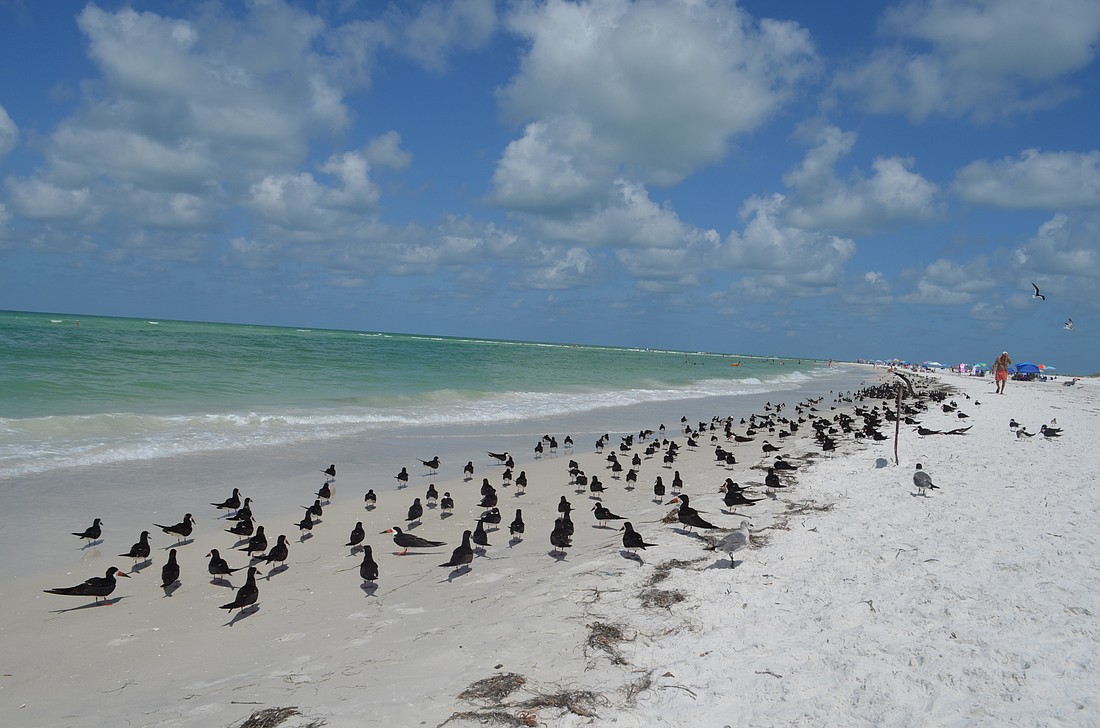
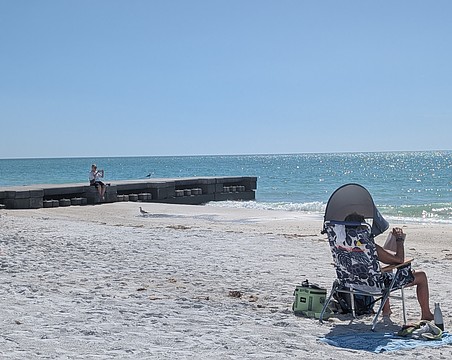
Beaches will remain open while a new round of renourishment and dune restoration gets underway on Lido Beach this year, the city of Sarasota said.
Between 200,000 and 300,000 cubic yards — enough to fill about 75 Olympic-sized swimming pools — are expected to be added to 1.2 miles of shoreline. As another component, the creation of a dune system, south of the Lido Beach Pavilion, will add a layer of storm-surge protection. Though the beach will remain open, periodic restrictions on access to sites where work is underway will take place.
Financing for the project comes from $12 million in federal money and is part of a multiyear agreement between the city and the U.S. Army Corps of Engineers.
The agreement's initial renourishment of Lido Beach took place in 2021, when sand dredged from Big Pass to the south was used to bulk up the shoreline by hundreds of feet with 700,000 cubic yards. Erosion-fighting structures were also built on the south end of Lido Key as part of that $12.7 million project.
Sand for the current project, expected to launch after Oct. 31 at the close of nesting seasons for shorebirds and sea turtles, will come from New Pass maintenance dredging to the north, the city said.
“The renourishment of Lido Beach will not only improve the area for residents and visitors but also increase the resiliency of our coastal community,” said Mayor Liz Alpert. “We thank our local, state, and federal partners for working alongside us in fortifying Lido Beach against sea level rise, tropical weather, and future climate impacts.”
The estimated completion of renourishment is in early 2026. The vegetative dune system is anticipated to be complete by spring 2027.
According to city documents, the dune system will have a maximum height of about 6.6 feet above sea level and feature a variety of plant species such as sea oats, beach morning glories, west coast dune sunflowers and more.
Since the original work in 2021, the city said, the recent series of storms has degraded the shoreline faster than anticipated.
“As Sarasota continues to face the growing impacts of severe weather and sea level rise, this project exemplifies a comprehensive and forward-looking approach to shoreline resilience grounded in long-term planning, scientific insight, and meaningful collaboration with our community,” said City Engineer Nikesh Patel. “With strong federal investment and robust community engagement, the city of Sarasota is proud to lead this critical effort to protect and preserve one of our region’s most treasured natural assets for generations to come.”
To the north, Longboat Key is looking ahead to its next round of renourishment over the next three years.
The town is in the process of a claim through the Federal Emergency Management Agency to help with a project slated for 2027-2028.
While replacing the losses is a necessity, the town hopes to conduct a more comprehensive nourishment of about 800,000 cubic yards that would likely cost about $32 million.
After FEMA reimbursements and expected contributions from the Florida Department of Emergency Management and the Florida Department of Environmental Protection, the town would likely need to front $12.7 million for that larger project.