- March 19, 2026

-
-
Loading
Loading
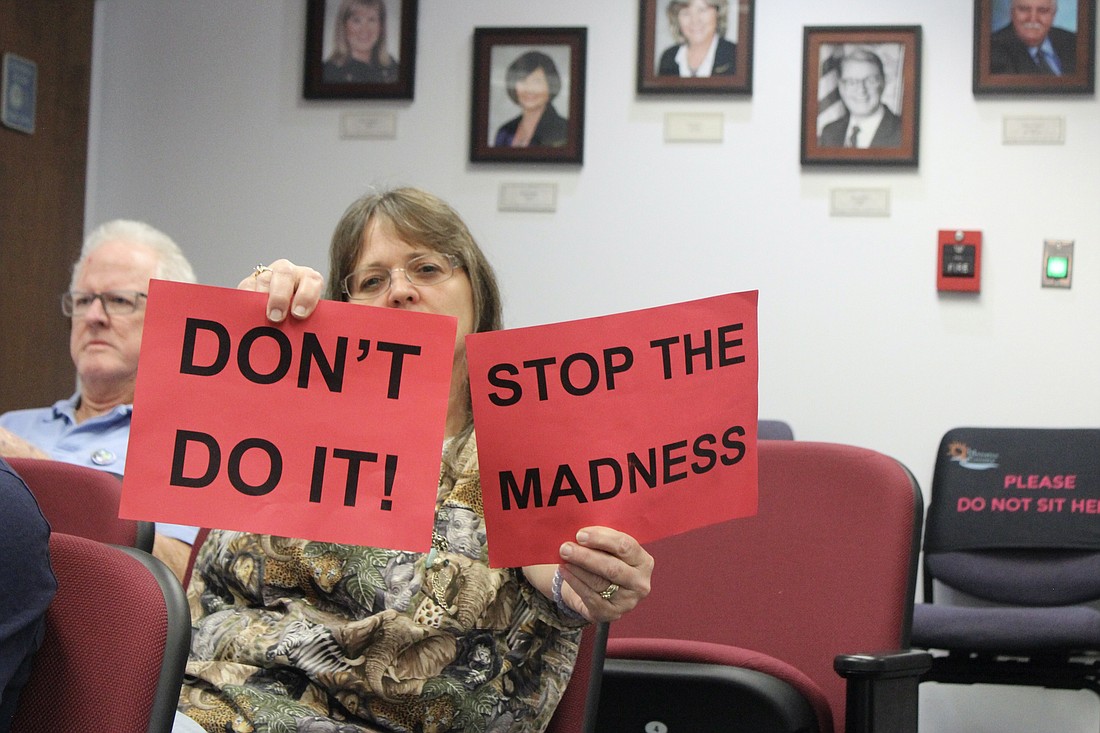
It can be so difficult to get a bill passed through the legislature that Florida Rep. Bill Conerly (District 72) said if you like 80% of the bill, that’s a success.
He noted that just under 2,000 bills were drafted during the last legislative session but only about 225 were passed.
There’s one bill, in particular, that caught Manatee County Commission Chair George Kruse’s attention: Senate Bill 180. He posted to Facebook that the bill is "destructive."
“What was otherwise a very solid bill to manage post-storm emergencies was hijacked as a Trojan horse to carry this terrible language pushed by a single Manatee County developer,” Kruse's Facebook post reads. “I was really hoping the Governor would see through this and veto SB 180 over this added language, but I guess that was a bit too much wishful thinking.”
Kruse declined to name names when it came to the Manatee County developer because he said it was hearsay through the grapevine, but the added language he was referring to is contained within Section 18 of the bill.
Section 18 restricts local governments from enacting certain regulations within a year after a hurricane makes landfall within 100 miles of the area.
Through October 2027, which could be extended if a hurricane hits, an impacted local government cannot issue a moratorium on construction, reconstruction or redevelopment.
The government also can't add more restrictive or burdensome amendments to its comprehensive plan or land development code.
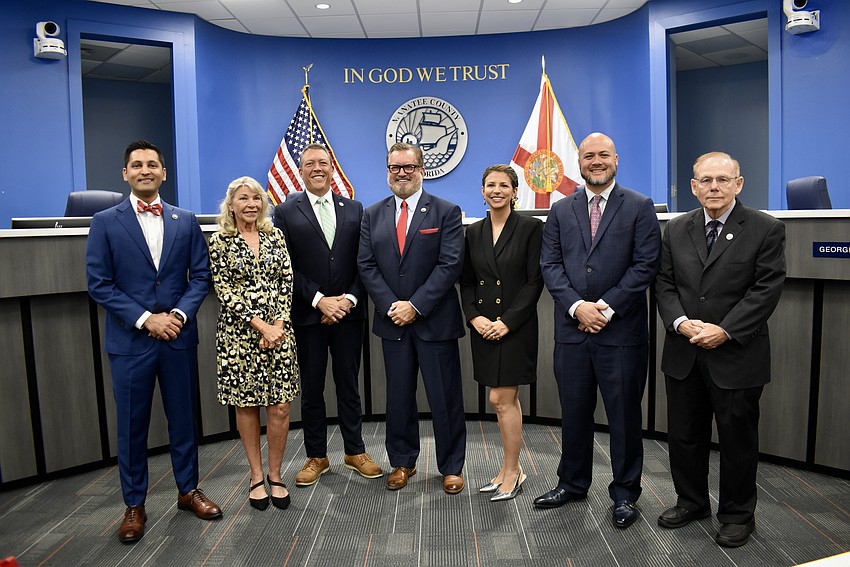
Kruse was not the only commissioner to take issue with the bill's language.
Commissioner Bob McCann called it funny how the legislature uses words like “more restrictive and burdensome” when it has become so restrictive and burdensome with home rule that commissioners can’t mitigate hurricane damages or collect more impact fees.
In January, McCann floated the idea of a building moratorium in Manatee County.
Since the 2024 elections, the newly assembled board has made and approved motions to reinstate the county’s additional wetland buffers, raise impact fees and repeal an ordinance that allows for development beyond the Future Development Area Boundary, all on behalf of the people who elected them.
However, each of those actions might be interpreted as being more restrictive and burdensome under SB 180.
“What’s the point of elections?” Kruse said. “You might as well have Kevin Van Ostenbridge sitting here.”
Van Ostenbridge was the former commissioner of District 3, who switched races before the primaries to oppose Kruse for his at-large seat.
Van Ostenbridge’s campaign raised over $225,000, much of it coming from developers and realtors.
During a public hearing on Oct. 5, 2023, Van Ostenbridge claimed that the community's efforts to keep the county's wetland buffers wider than the state's minimums was a communist movement.
Kruse noted that every commissioner voted in during the 2024 elections won their primaries by 15% or more.
“These were massive, overwhelming mandate-level votes to put people on this board based on the common theme that we’re going to do the things that the public wants us to do,” he said. “We jumped right in and started fixing these things, but we’re being prevented from doing so.”
To those citizens telling commissioners to proceed with their plans anyway, Kruse said it’s not worth the risk because the repercussions could be worse. Commissioners could be removed from office.
He surmised that if the same people who appointed former commissioner James Satcher to be the Supervisor of Elections were to reappoint members of the commission, the speed at which impact fees would be dropped down would be swift.
Projects that have been denied will come back to be approved, and it only takes a couple of seats to sway a board.
Kruse pointed to the 2022 election when he was “minimized by a couple of changes in the elections.” For the next two years, Kruse regularly found himself on the losing side of 6-1 votes.
Conerly voted to pass SB 180 because he said the bill was more good than it was problematic.
On the good side, the bill will help residents through the recovery process after a hurricane with a post-storm permitting plan. Some communities and municipalities will be required to open up permitting offices for a minimum number of hours per week.
During the county’s budget review last month, Director of Development Services Nicole Knapp said the department needed to hire more staff to catch up on permits from the 2024 hurricane season or fees would have to start being returned to applicants per the state’s requirements.
On the problematic side of the bill, Conerly is certain that additional efforts will be made to adjust the language within the bill to narrow its application.
The biggest problem he sees with the language contained in Section 18 is that “burdensome” is not defined, so it’s open to broad interpretation.
“There are things in the bill that are problematic to my agenda, too,” Conerly said. “One of them is flood resiliency. I’ve talked about redefining what a 100-year storm is, and the argument could be made that it would be more burdensome.”
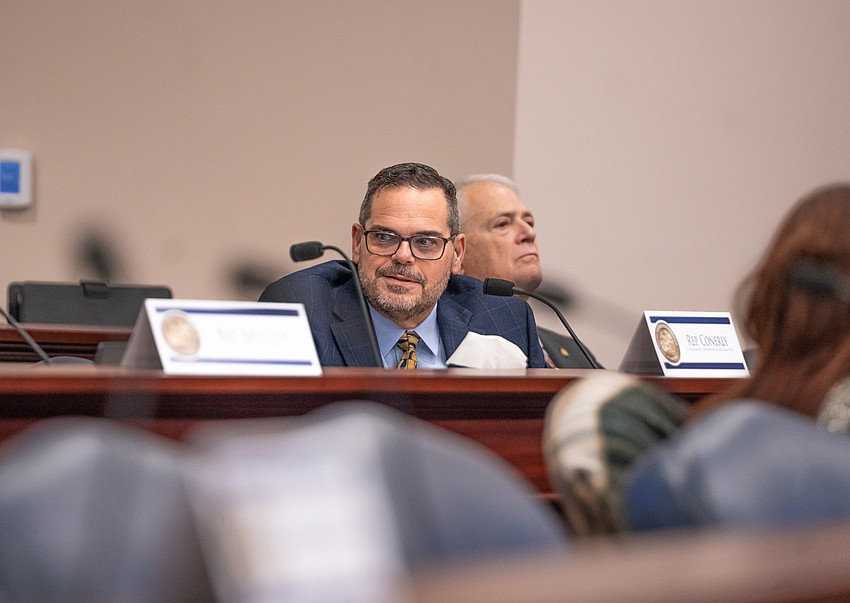
He noted that many bills end up with “unintended consequences” because Florida is such a diverse state. Things that work in Miami have to also work in the panhandle, and that can be difficult to accomplish.
He also pointed out that there's no way to vote on half a bill, and there were important elements within SB 180.
Kruse agreed, noting the training requirements for emergency operations centers is a great idea. However, not being able to update the comprehensive plan or land development code as the commission sees fit is an issue that warrants more time and effort.
He said staff and the county attorney are actively speaking with state agencies to see if there are ways to reword or restructure the wants of the people without violating the ruling of SB 180.
Commissioner Jason Bearden sees voting as the ultimate solution.
“The pressure needs to be put on,” he said. “Do we have the right legislatures in office to fight for the people? I don’t think we do.”
Bearden argued that there are more legislators representing special interests than there are legislators representing the people.