- March 19, 2026

-
-
Loading
Loading
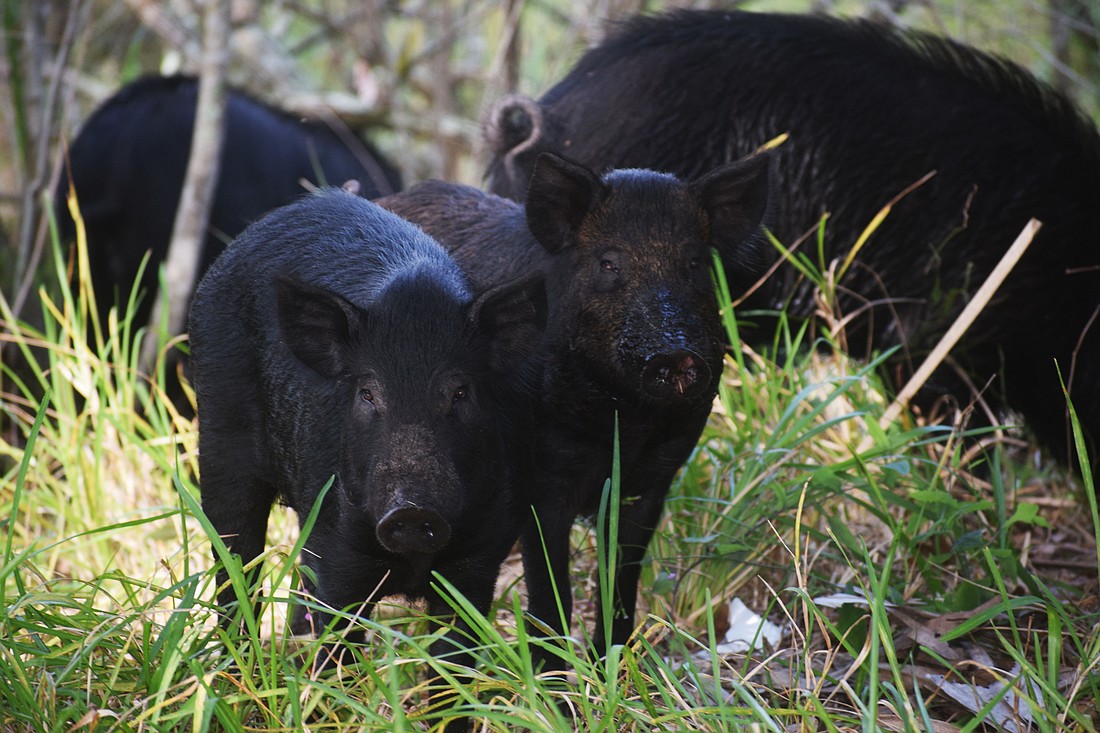
Wild hogs long have been members of the East County community, but sometimes they fade into the background of the brush without anyone noticing.
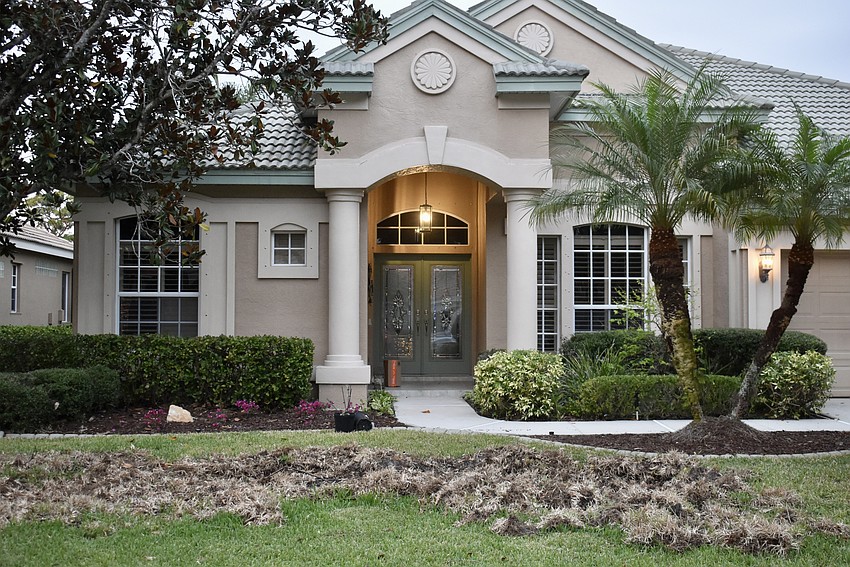
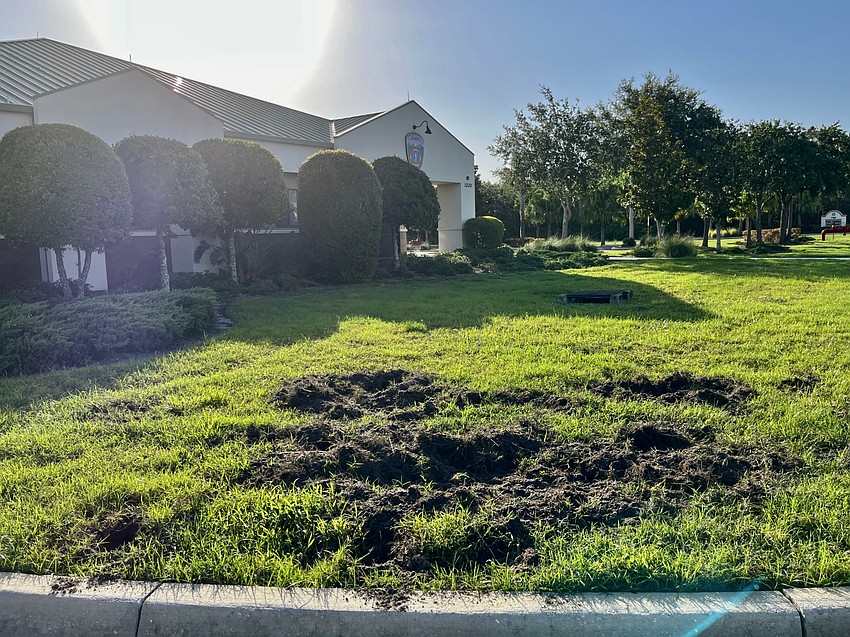
At other times, they root so voraciously that they tear up thousands of dollars worth of sod in yards while also destroying wiring or other infrastructure below the surface of a lawn.
Over the past few weeks, residents in the Sanctuary at River Club have been experiencing the latter.
The hogs have torn up lighting and countless squares of sod. Resident Richard McDonnell said one of his neighbors paid a sod company $600 to repair his front yard; and then three nights later, the hogs tore it up again. Another neighbor was “hit” four or five times. The repairs cost thousands.
McDonnell collected over $2,000 from 18 neighbors to hire a trapper. He said The River Club Homeowners Association also hired a trapper who is using dogs to track the hogs. The HOA didn’t respond to the East County Observer’s request for confirmation.
The trapper hired by neighbors is only using a trap to try to bait the hogs.
The Sanctuary backs up to a preserve owned by Schroeder-Manatee Ranch. McDonnell wishes the trapping effort could have started three weeks earlier, but the HOA needed permission from SMR to allow the trapper onto its property.
A representitive of SMR said in an email that because the hogs travel freely, mitigation depends on where they’re causing an issue. Responsibility could fall to a homeowners association, community development district, the Lakewood Ranch Stewardship district, or Manatee County.
In this case, the HOA and the neighbors have taken responsibility for mitigation, although no hogs have been trapped yet.
Gary Clark, “The Hog Wrangler,” called hogs “trap smart.”
“You’ll catch the small ones, but the big ones are still there reproducing,” he said. “They’ll eat the corn and the bait all the way up to the door, but they won’t go in the trap.”
Clark stopped trapping hogs a couple years ago after a sounder of hogs killed his dogs.
McDonnell has lived in the Sanctuary for 12 years. He’s used to the hogs, but can’t remember them causing this much damage since 2017 when a trapper pulled 15 of them out of the neighborhood.
“This seems to be worse,” he said. “We’ve had multiple sightings of a really big one, and he seems to be the guy doing most of the damage.”
Most homes in the Sanctuary have cameras with motion detectors. Recently, the most hogs to be spotted at once is six.
Thomas Sewell owns Swine Solutions, a hog trapping company. He said this time of year, the food sources in the woods dry up, so the hogs tend to be on the move more.
“September and October, we had acorns, so the hogs were pretty much staying in the woods,” Sewell said. “Now, they’re looking for low lying areas. In people’s yards, they're looking for nutsedge weed.”
Nutsedge is also called nut grass, but it’s an aggressive weed that’s hard to get rid of because of its deep root system. The roots form tubers called “nutlets,” which is what the hogs are after when rooting.
An article from the Penn State Extension website about controlling nutsedge states that hogs can be used for weed control in pastures and in fields during fallow cropping periods (breaks in planting when the soil is being renourished).
Sewell said Bermuda and St. Augustine grasses are a darker green. Nutsedge stands out because it’s a bright chartreuse color. While it’s a tough weed to eliminate, it can be controlled with the use of herbicides.
But ridding the yard of nutsedge only eliminates one food source, so it’s not a guarantee that the hogs won’t return. They’ll eat acorns under oak trees and bugs out of garden beds, too.
Hogs will also eat table scraps or anything else they find, and they’ll return for more.
While it's not expressly illegal to feed feral swine, as it is sandhill cranes and coyotes, the Florida Fish and Wildlife Conservation Commission discourages feeding all wildlife because it can overpopulate a small area, cause unnatural behaviors and aggression towards humans.
SMR took legal action against two River Club residents in 2020 — not for providing food and water to the swine — for trespassing. The couple had allegedly set up feeding stations, troughs and a fence in the preserve behind their home, which SMR owns.
The Lake Vista Residences are on the south side of the preserve, and further south from Lake Vista is Colonial Grand at Lakewood Ranch.
SMR's complaint states that some residents at Colonial Grand were approached by feral swine and were demanding to terminate their lease agreements early because they feared being attacked.
The River Club residents claimed they were not responsible for the feeding stations and set out the troughs of water for all the wildlife. They said the fence was to keep the hogs off their property.
The couple entered into a settlement agreement that included a permanent injunction to stay off SMR property on June 13, 2022. By Aug. 25, 2022, SMR claimed they violated the injunction. The couple claimed to have fed the hogs as a distraction to get the hogs away from their property.
One of the defendants was put on probation for a year and six months
A second complaint was filed by SMR in April 2023 claiming that the same defendant was caught on camera with “food for the swine in her possession,” to which she was found guilty.
Because she breached the settlement contract, SMR was entitled to recover its attorney's fees.
By email, SMR said the lawsuit “followed a lengthy and challenging series of events involving an individual who repeatedly fed the animals, causing additional property damage and public safety issues for surrounding residents. As you might imagine, the costs of litigation far outweighed the lawsuit’s outcome.”