- March 14, 2026

-
-
Loading
Loading
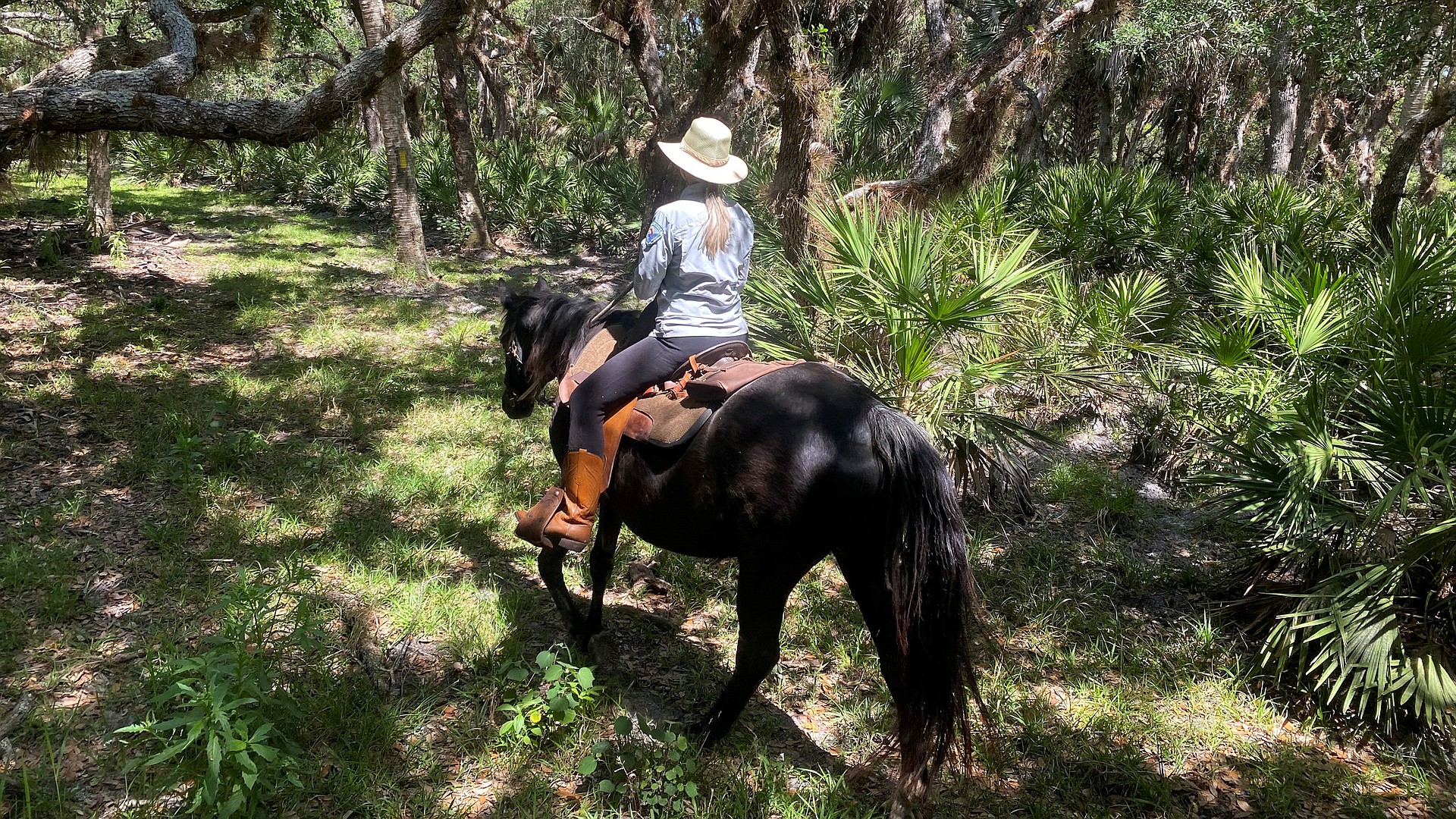
There’s not much “city” in Myakka City. Blink and you might miss it.
This modest commercial hub, about 20 miles from Lakewood Ranch, boasts a lone convenience store, a scattering of small businesses and the Silver Star East Restaurant, where pickup trucks fill the parking lot and regulars fill the booths. At chow time, you’ll find a spirited cross-section of locals — ranchers, farmers, business owners, teachers, horse and goat whisperers and back-to-the-landers — all tucking into heaping plates of country-fried steak, meatloaf and burgers.
It’s a place where stories are traded over sweet tea and the pace of life is in sync with the heartbeat of the land.
What Myakka City lacks in strip malls and stoplights, it more than makes up for in character.
Its residents aren’t looking for the bustle of the city — they’ve chosen the countryside’s quiet, open spaces. Their lives are shaped by nature’s rhythms, the pull of community and the desire to live just a little off the grid.
In this story, you’ll meet three of them: Jean Blackburn, an artist whose work is deeply rooted in the land; Gordon DeCou, a biologist and business owner bringing innovation to farming; and Rebecca McCullough, who carries on a proud equestrian legacy with Herrmann’s Royal Lipizzans. While their paths are wildly different, they all lead back to this rural stretch of East Manatee County — a place of beauty, independence and fierce attachment to the earth.
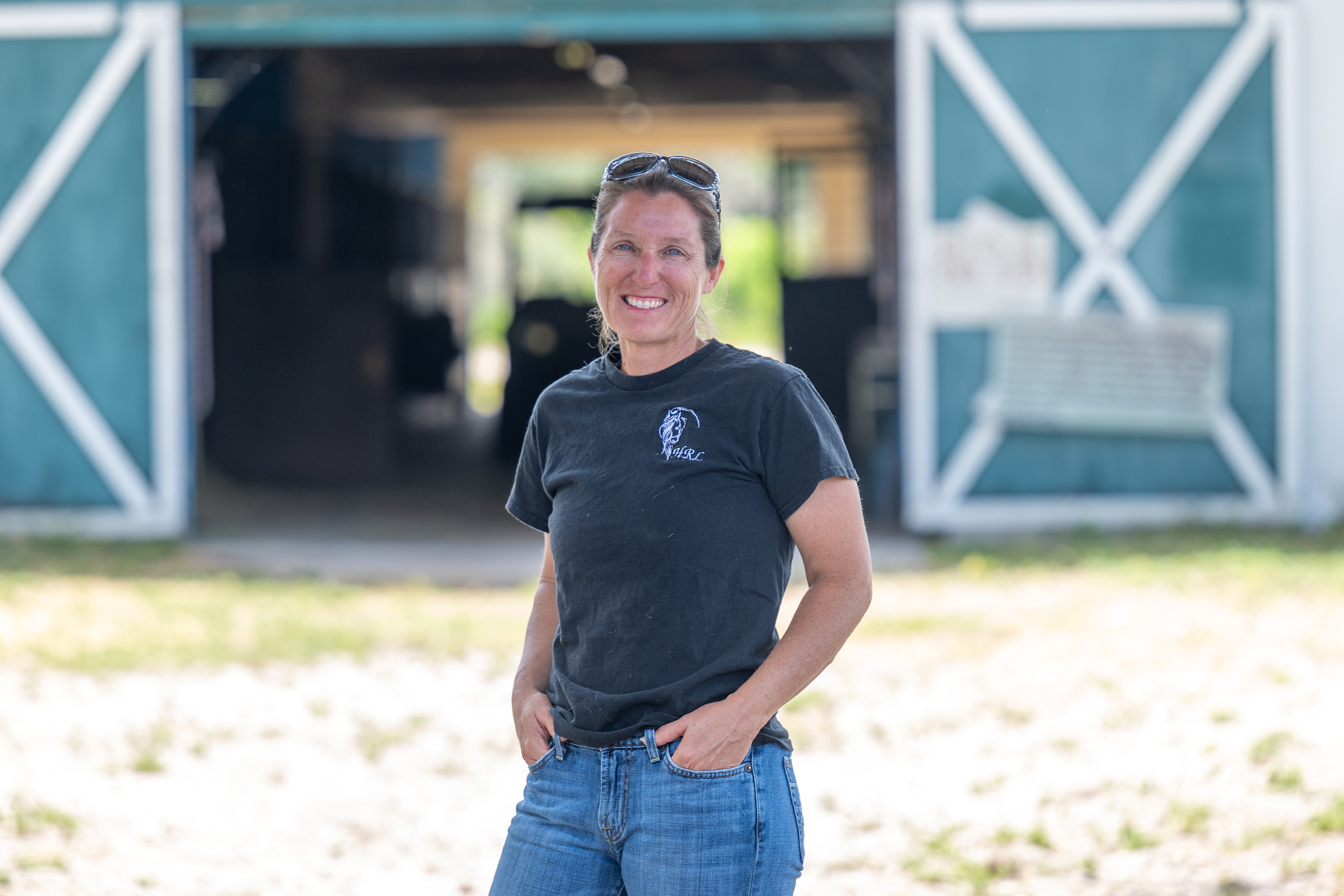
You wouldn’t expect one of America’s most storied equestrian legacies in Myakka City — but that’s exactly where you’ll find Herrmann’s Royal Lipizzans. It was founded by the late Col. Ottomar Herrmann Sr. and brought to the U.S. by a circus sponsor who had settled in the area. “There’s a strong circus community here,” explains Rebecca McCullough, Herrmann’s granddaughter and the Royal Lippizans’ current owner. “Many performers had exotic animals and needed land. My family fit right in.”
Today, McCullough continues the tradition with a herd of 15 horses — 10 of them purebred Lipizzans — all born and trained on-site. She began riding before she could walk, perched in front of her mother on the saddle. “She did the same with my daughter, Sydney,” McCullough says. “I didn’t start training until my teens, and honestly, I never intended to carry on the legacy.” She notes that she’d initially dreamed of being a writer and later became a medical technologist to pay the bills. “But in the end, I was the only one left to do it. And now I love it.”
Herrmann’s Royal Lipizzans is known for preserving classical training while making the breed more accessible. “We generally breed to support our shows,” McCullough explains, “But we’re now opening up to selling mares to other farms and bringing in outside mares to diversify the gene pool.” Their next show season is expected to begin in early 2026. Her daughter Sydney has also stepped into the arena, after the death of her grandmother in 2021.
“This past season Sydney really bloomed. I’m proud of her either way — whether she carries it on or finds her own path.”
If You Go: Visit HerrmannsRoyalLipizzans.com for upcoming show announcements and volunteer opportunities.
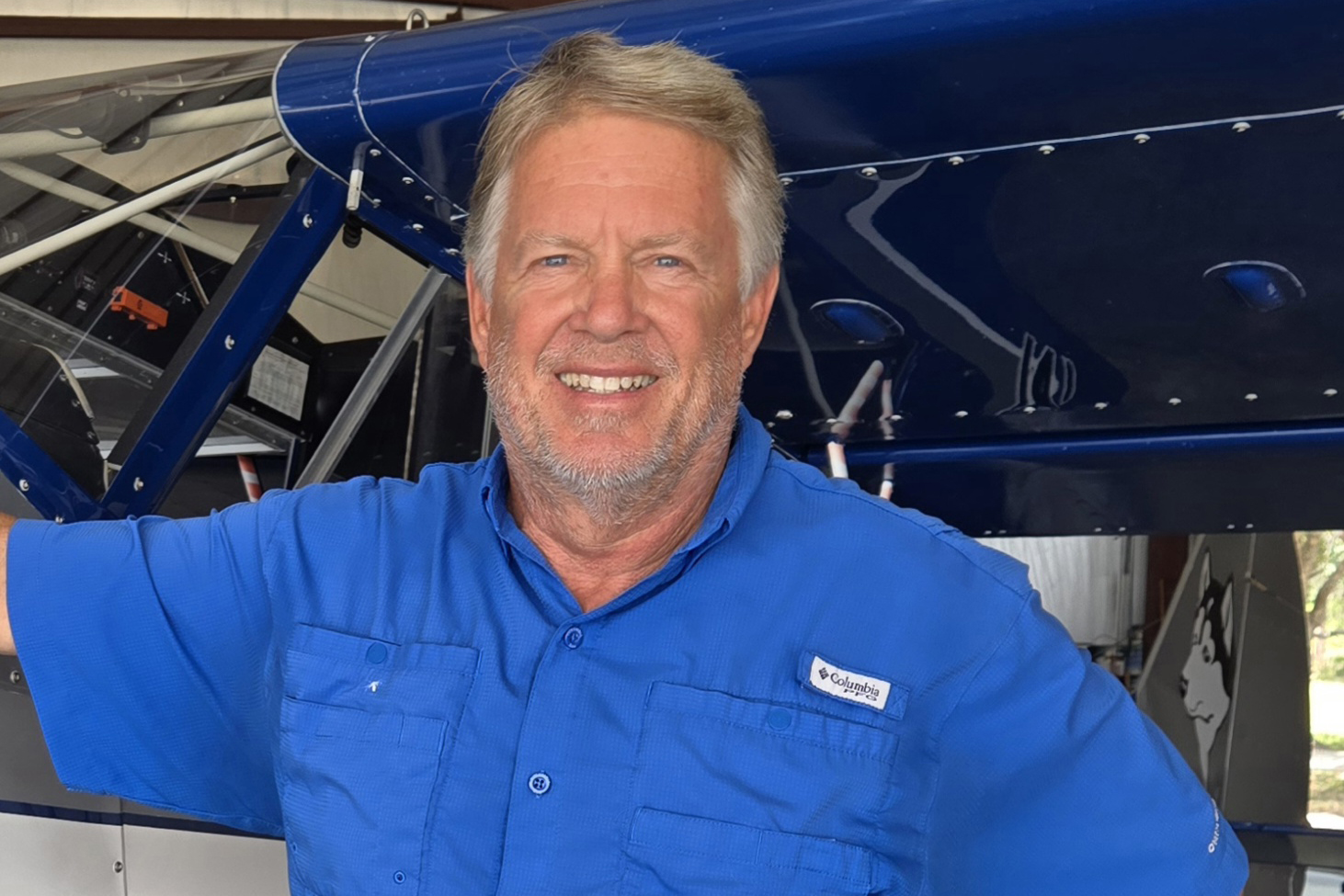
For Gordon DeCou, stewardship isn’t a lofty abstraction — it’s a way of life. As president of Agri-Tech Services Inc., a company specializing in environmentally responsible land and pest management, he’s spent the last four decades helping farmers strike a balance between productivity and sustainability. His fleet of planes definitely helps. From his 125-acre farm outside Myakka City, DeCou often trades boots for wings. “I can walk out of my house and head to the office — or jump in a plane and be on a farm in Georgia by lunch,” he says.
Originally from New Jersey, DeCou first came to Florida through an off-campus marine biology program. After college, he lived on Anna Maria Island but eventually moved inland when long-distance commuting to rural areas became problematic. “As farming took over every day of the week, traffic made it impossible to get home in time,” he says. “I bought this farm about 12 years ago.”
Along with convenience, the move offered a deeper connection to the land. “What I love most about living in the country is solitude,” DeCou says. “You don’t need a gym membership living here. There are fences to fix, trees to cut and a lot of wildlife. It’s something you work all your life to get toward.”
That grounding in simplicity and purpose shaped Agri-Tech Services, the company DeCou founded after working in entomology at a University of Florida research station. “I was trying to keep tomato growers from spraying insecticides all the time,” he explains. But that proved to be a hard sell. “Back then, you could spray for $10 an acre. Now it’s $100.”
Over time, his approach evolved. “I got involved with a Dutch company that sells biological insects. That blossomed into a huge part of our business. We help growers reach a biological balance where pests are managed by parasites or predators. It’s a win-win-win — for the farmer, the environment and the consumer.”
His philosophy extends to chemical use. “The land is forgiving to a point, but you can hurt it too. When I started, the chemical companies hated us. Now they see we’re the stewards. We’re all on the same page: conserve the chemistry, conserve the environment.”
DeCou’s family is woven into the fabric of this down-to-earth life. “My son Colton is a pilot too,” he says. “My daughter Abby helps with our website. My wife recently retired as a nurse practitioner and now helps on the farm. She says after years under fluorescent lights, she’s thrilled to be out among the cows.”
What would he like people to know about Myakka City? “It’s only country once,” DeCou says. “And the country’s still here — until it’s not.”
If You Go: Agri-Tech Services is an independent farm management and consulting service that provides integrated pest management services and bio-control systems for commercial clients. Visit AgritechServicesInc.com.
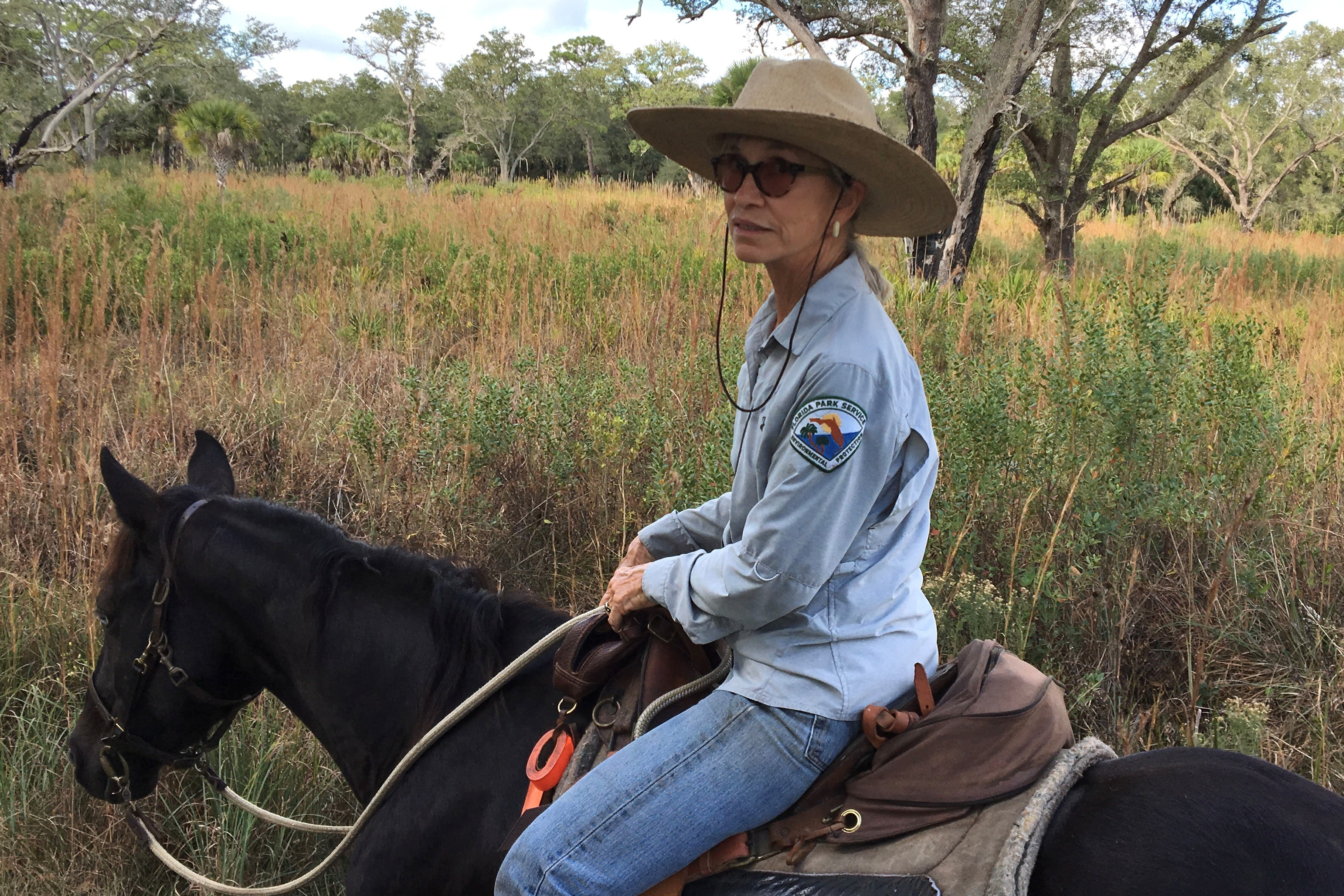
Drawn by deep family ties and a love for the natural world, Jean Blackburn found her way to Old Miakka, a few miles from Myakka City, more than three decades ago. Today, this third-generation Floridian, artist and ecologist makes herself at home on 14 acres of unspoiled, native Florida habitat, living in harmony with the land that fuels her work. She and her husband, Steven Schaefer, have called Old Miakka home for 34 years.
Blackburn’s art is shaped by her environment — literally. “My art has always been informed, almost entirely, by the living things in my surroundings,” she says. “We’ve reintroduced native plants that support a complex Florida ecosystem. I’ve documented over 90 bird species here, along with countless invertebrates, reptiles, amphibians and mammals.”
She and her husband also help prepare wildlife for release, working as an extension of a state-licensed rehab facility devoted to river otters, birds of prey and raccoons. “The animals come to us prior to their release into the wild.”
The couple grows an abundance of fruits and vegetables, organically and in sync with the land. “We grow just about every variety suited to this climate, including about 30 types of mangoes,” Blackburn explains. “Our produce coexists beautifully with the native ecosystem.”
Blackburn splits her time between the studio and the land — although hurricane recovery efforts have consumed much of her creative time. “Ideally, I spend half my day working with the plants and animals, and the other half in my studio.”
Despite the slow encroachment of suburbia, Blackburn remains connected to the Old Miakka community. “The core is intact, but the eastward spread of development threatens to squeeze the authentic, rural life from it.”
If You Go: Visit JeanBlackburn.com to view her work, learn about her environmental efforts or reach out directly.