- March 27, 2026

-
-
Loading
Loading
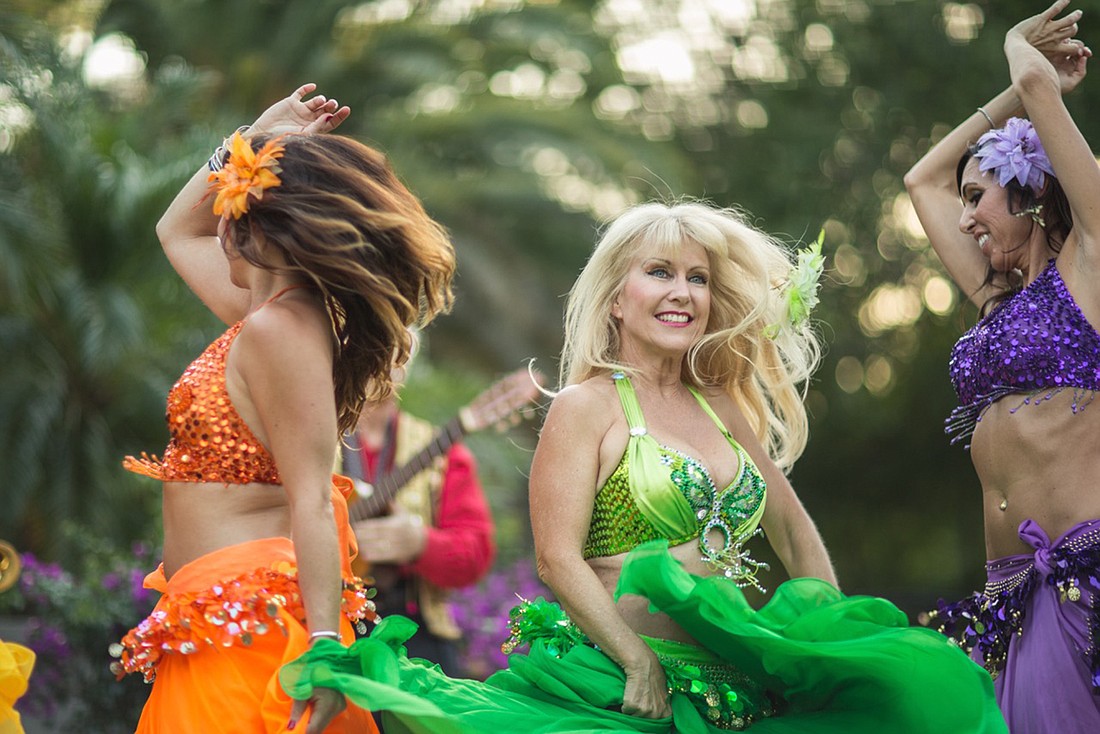
Tahja Harrison is a dancer, a teacher and a cultural ambassador. She’s famous for her mastery of belly dancing — a catch-all term for a variety of Middle Eastern and Mediterranean dance forms. But her mastery doesn’t end there. She’s equally adept at flamenco and Polynesian dance forms and can speak 10 languages and play six musical instruments.
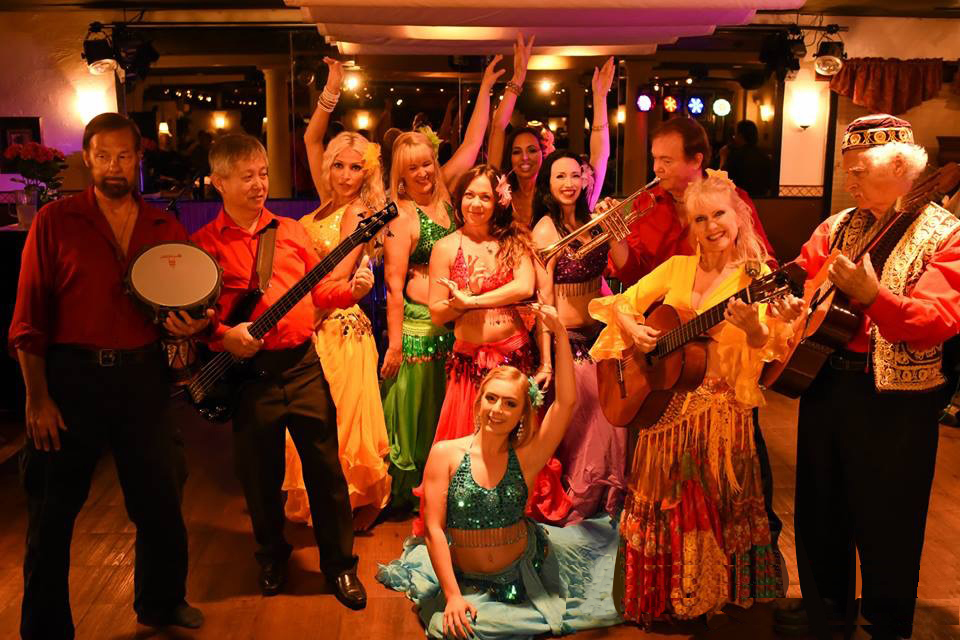
Tahja has performed all over the world in 40 countries. She also teaches dancers to follow in her adroit footsteps and produces shows where they can shine. Locally, Tahja and her fellow dancers will share their kinetic joy at “Whirling Passion” on March 19. We spoke to her recently about what moves her.
In Middle Eastern dance, your body becomes a physical interpreter of the music. You express the little nuances of every word and every note.
I tell my dancers to pretend they’re dancing for an audience who can’t hear the music. Use your movements to capture the emotional quality of the music. Dance so they’ll feel what it’s saying just by watching you.
I’m an old-fashioned ethnomusicologist. I try to honor the cultural roots of this ancient art form. I keep the dance, music and instruments as authentic as possible. And I also strive to keep the language of the songs authentic.
Yes — and 39 other languages. In the belly-dance shows, I mostly sing in Turkish, Arabic, Armenian, Greek, Russian, French and Spanish. I keep the original lyrics of the songs to honor the composer and keep the music authentic. You can’t really separate the lyrics from the dance itself — and translation always falls short. When you keep the language intact, it’s beautiful.
I was very overweight as a little girl. My mother was a ballroom dancer. She started studying belly dancing to improve her hip motions for Latin dances. She took me along to see if I’d like it. I just took to it right away. The weight fell off naturally without counting calories. More importantly, I’d found a self-expressive, social art form that I loved.
When I was 12 years old, I wanted a stage name with two syllables. I liked the sound of the Indian city of “Rajasthan,” but wanted a more feminine name, and the “Taj Mahal” came to mind. So I made up the name “Tahja,” not having any idea at the time what it meant.
Aside from “I Dream of Jeannie” reruns, does the American public have a clear idea of what belly dancing is? Not really. Most of what’s labeled as “belly dancing” today is actually a hodge-podge of belly dance movements and bits of other kinds of dance and music styles. It’s very far removed from the original roots.
I’d blame today’s lack of performing venues for the original style. Back in the 1970s and ’80s, there were ethnic nightclubs all over this country. The audiences were a mix of Americans and recent immigrants from the Middle East and across the Mediterranean. They’d come to eat the food and hear the music they love. You’d see Greeks, Arabs, Turks, Armenians—it was a rich melding of cultures. They’d all be enjoying the music or playing together onstage. You might hear the same song in Hebrew and Arabic. These clubs dissolved cultural differences and brought people together with the power of music. Almost by accident, they introduced Americans to authentic belly dancing.
The dance is rooted in the natural way people move to music in the Middle East, especially when they are happy or celebrating a special occasion. Dance has always been an integral part of that region’s social life. It wasn’t born on stage, like ballet or modern dance. It was born in homes and villages, as a natural form of expression and sharing. The rhythm is generally expressed with the hips, shoulders and abdomen. Belly dancing is social by its very nature. There’s eye contact and a sense of support from the audience.
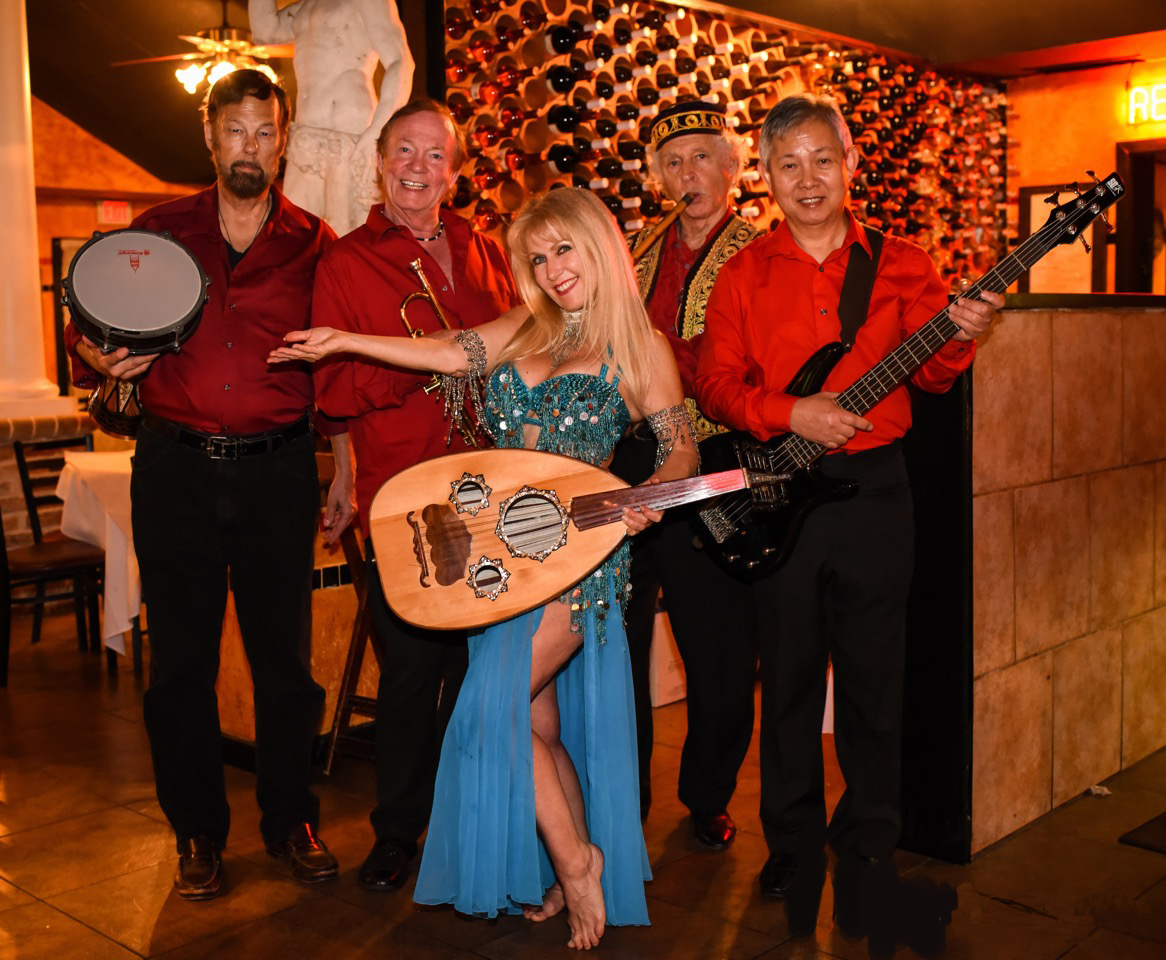
About 20 years ago, I choreographed a show at the Players Theatre. I thought it’d be nice to do another show. It’s going to be a huge production with a live band and live dancers — and that’s very rare these days. So many of our performances are for private parties or fundraisers. This show will give a wider audience an experience of the full range of our art.
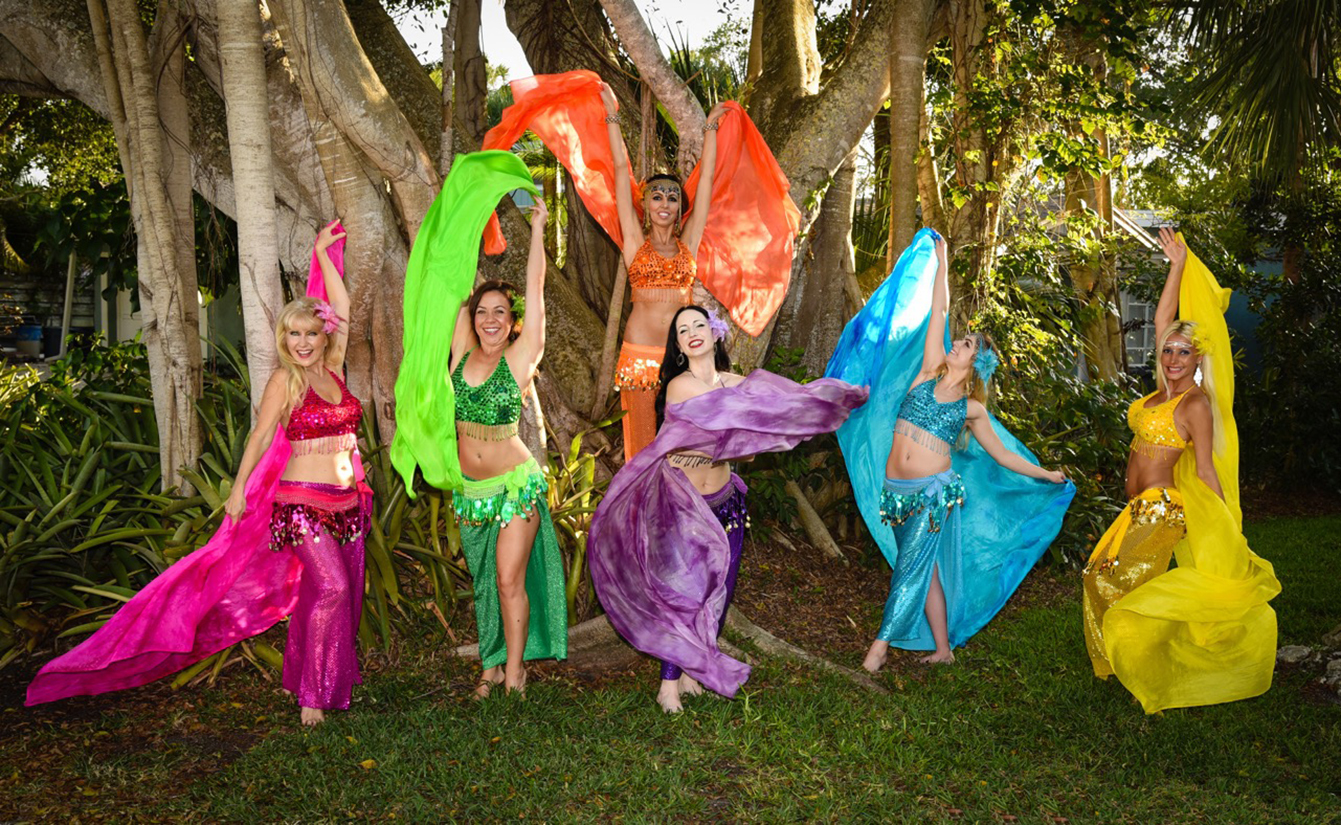
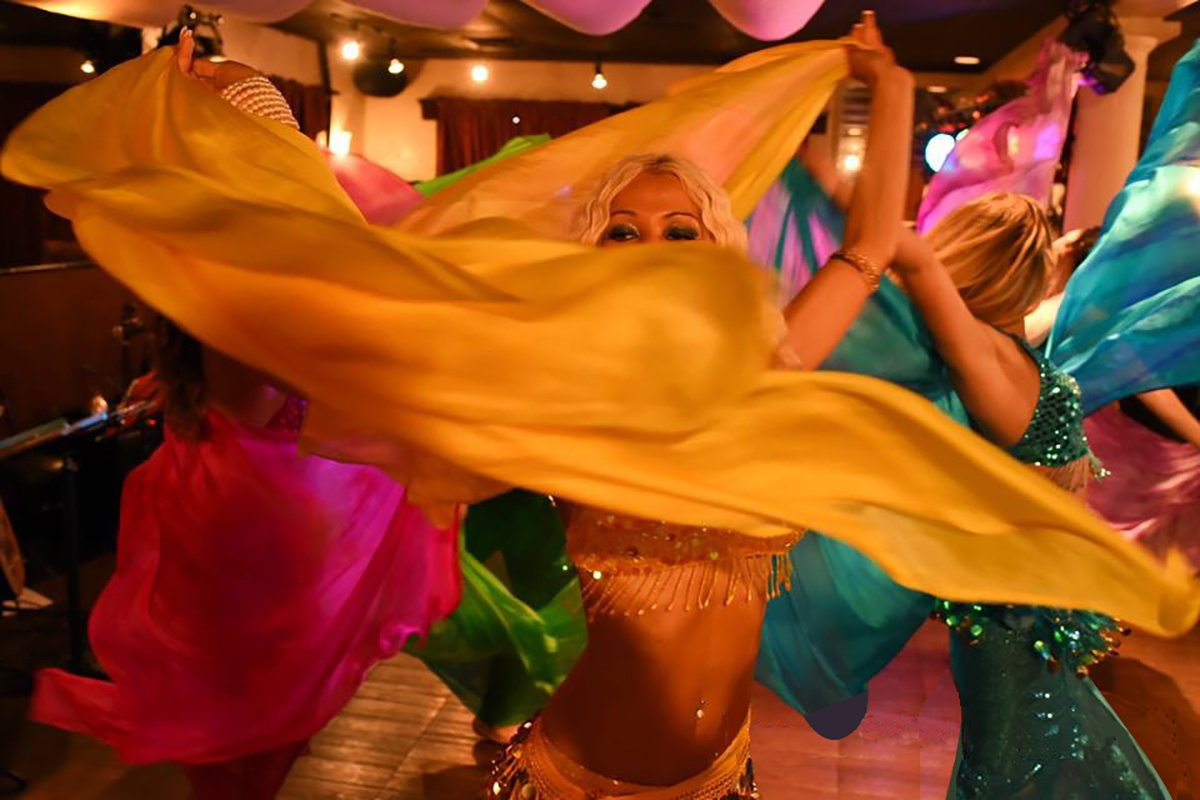
A stage production of belly dancing at its finest, with fabulous colorful costumes, flashing swords and flowing veils, accompanied by YaSalaam playing the songs of ages past on authentic instruments. It’s a trip through time and space — a rare glimpse of this beautiful, ancient art form.