- March 31, 2026

-
-
Loading
Loading
Within a 15-minute presentation about Manatee County’s new garbage collection system, Director of Utilities Patrick Shea used one word that sums up the public’s response to the changes — consternation.
Whether it’s once a week pickup, the size of the cans, or the elimination of bulk pickup, residents from every area of the county have come forward with complaints.
During the Feb. 10 commission meeting, commissioners agreed to at least one solution — bringing back bulk pickup.
The plan is to have zoned bulk pickup monthly and one call-in bulk pickup annually.
The monthly pickup is still a reduction from the prior service, but it would allow for two bulk items to be picked up once a month. For example, if your pickup is normally on Friday, then your bulk pickup might be scheduled for the first Friday of the month.
Each hauler will divide its territory into four zones and rotate throughout the month. The additional charge for residents is an estimated 96 cents per month.
Shea said it’s a manageable change for the haulers because they already have the equipment and staff in place. The trucks are running now, but residents have to pay $59 for each item that doesn’t fit inside the county-issued bins and requires a special pickup.
Zoned pickups came in less expensive than the original idea to schedule countywide annual, biannual or quarterly pickups.
Per customer, annual pickups were estimated at an added $1.50 a month, biannual pickups at an added $2.50 a month and quarterly pickups at an added $3.50 a month.
Zoned pickups will minimally raise rates for customers, but over time, the system will provide a cost savings to Manatee County by eliminating the community cleanup days.
The county held two cleanup days, but residents had to deliver their own trash to a designated site.
Shea called the cleanup days relatively successful, but they posed several challenges. For one, the county doesn’t have a big, centralized area to host and standardize the events.
“Traffic control, disposal costs, staffing — all of those things add up to real dollars over time,” Shea said. “(Zoned pickups) would kind of balance things out.”
The annual pickup would accommodate big life events, such as a move or a remodel. Residents would have to call in to receive the service. Residents would also still be able to call in for the $59 pickups as needed.
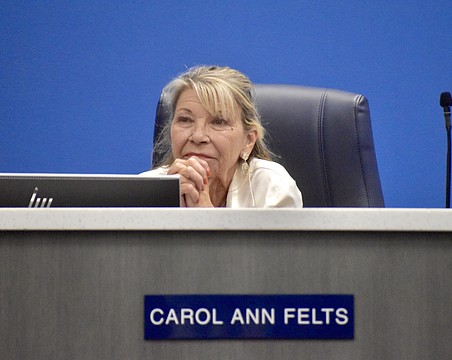
Commission Carol Felts said for a little over $2 a month, maybe that’s where the county should have been from the start.
Shea will return to the board with the cost for the annual call-in pickups. The estimate of $1.50 per customer was calculated based on the entire county receiving a scheduled pickup once a year.
Shea cautioned that the most frequent calls the county would receive after a standardized pickup like that would likely be, “I missed my month, and now I have to wait 11 more months.”
About 3% of residents used the call-in option prior to the switch to county-issued bins. Shea estimated the usage would rise to between 6- to 8% because of the new system.
No action was taken to address twice a week pickups, mainly because the rates would more than double.
Right now, the monthly rate for service is $23.65.
If the county were to go back to its original service — residents can use their own cans and workers get off the trucks to manually pick up the cans — the monthly rate would be an estimated $53.65.
If adding a second weekly pickup, but sticking with the county-issued bins and automated trucks, it would only save $5. The rate would still more than double at an estimated $48.65.
The third option would be to allow customers to subscribe to the service. Shea said the additional $65 was the “grayest number” because the haulers indicated it’s a service they have no interest in providing.
“I’d rather reinstate large item pickup first, just because that’s cheaper and easier,” Commission Chair Tal Siddique said. “If you start talking $30 a month minimum, that wipes out the millage cuts this board implemented from last year and the previous years pretty quickly.”
Siddique also noted that the public has been more vocal about bulk pickups than twice a week pickups, and returning to twice a week collection would require a large investment from the county — according to Shea’s preliminary numbers, between $13 million and $30 million.
Shea said twice a week pickups would add more trucks to the road and require more staff at the landfill. It would also take between 12 to 18 months to implement, whereas zoned pickups could start right away.
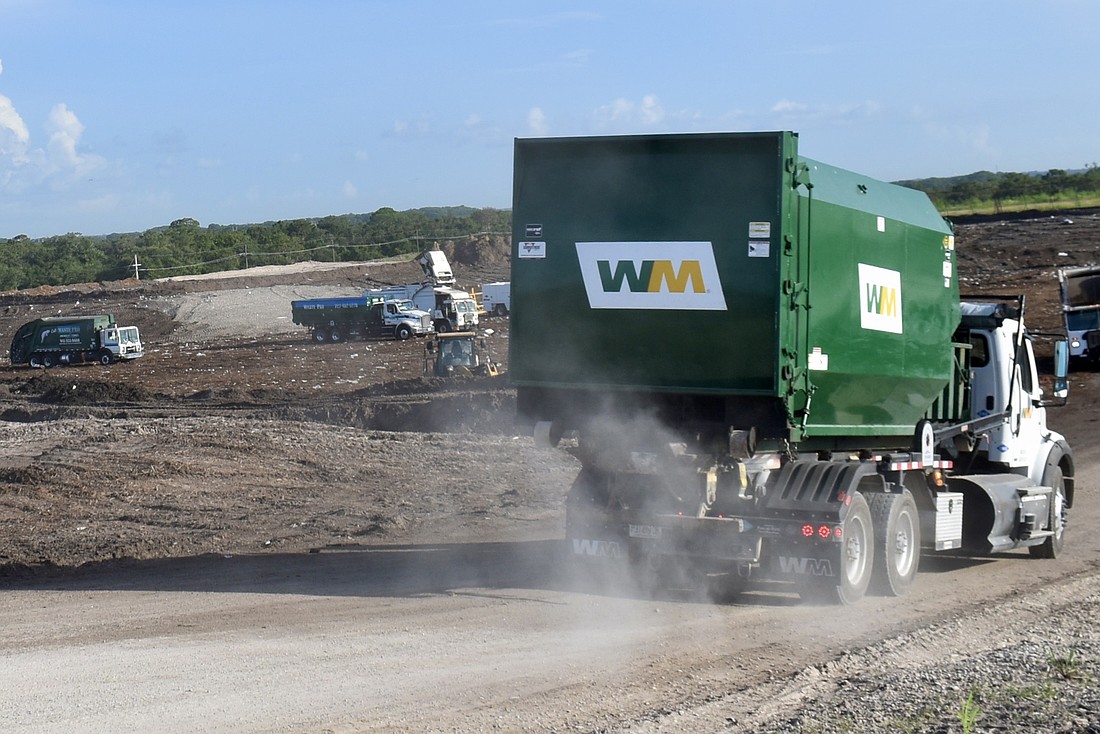
Commissioners agreed to the zoned bulk pickup, but negotiations still have to be finalized with Waste Pro and Waste Management before the change can be implemented.