- April 3, 2026

-
-
Loading
Loading
The city isn’t lacking ideas for how to spend a pot of money set aside for economic development.
At Monday’s City Commission meeting, staff presented a list of 22 projects that could use funding from an economic development fund created last year. Now, officials are preparing for a more challenging task: prioritizing the options available.
Following the expiration of the downtown Community Redevelopment Area in 2016, the city decided to create another pot of money dedicated to community reinvestment. In 2017, the city agreed to create an economic development fund composed of local business tax revenue and some general fund money.
In total, the city set aside $1.39 million for the economic development fund. Staff anticipates another $921,000 in local business tax revenue will be added to the fund during the 2018-19 fiscal year. After accounting for some initial expenditures from the fund, that leaves more than $2.1 million in unallocated economic development dollars.
City staff has identified six categories of projects that could use economic development funding. They are: public/private partnerships, placemaking and connectivity, incentives and investments, workforce development, planning for economic sustainability and social, recreational and cultural development.
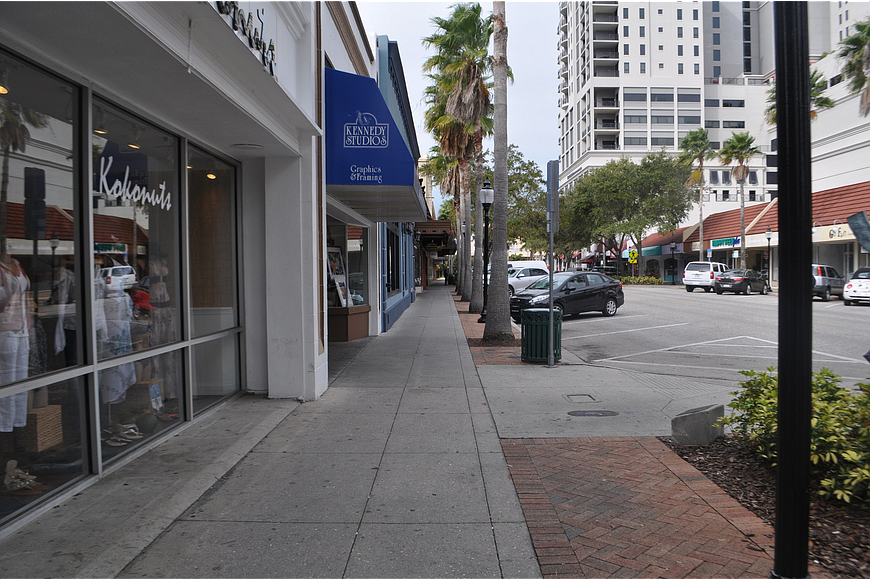
At Monday’s commission meeting, the board devoted some of its focus to the items under the placemaking and connectivity umbrella. Those projects include streetscape improvements on Main Street and Lemon Avenue the city is already considering but which lack available funding.
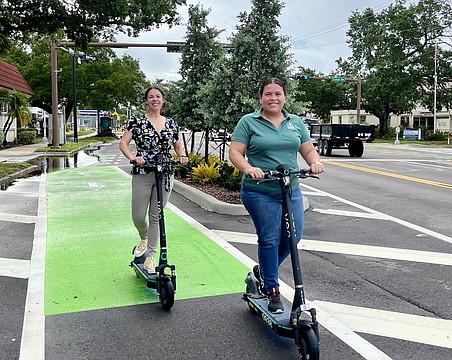
Another one of those projects was a pilot bike-sharing program, which caught the attention of commissioners. Staff said it’s working with the county on trying to map out the initial stages of a county-wide bike-sharing project, but suggested seed money could help get some early bikes on the street at key points in the city.
Chief Planner Steve Stancel said the initial expenses associated with a bike-sharing pilot could total around $150,000 for 100 bikes. City Commissioner Hagen Brody suggested the city could start even smaller and focus on providing rentable bikes downtown and on St. Armands Circle, two heavily trafficked areas. Staff members said they’d explore the city’s options, but early research suggested providing multiple bike locations was essential for a program to thrive.
“There’s a certain density that has to happen for them to be successful,” Redevelopment Manager Susan Dodd said. “If you just throw it in a couple of locations, it’s not successful.”
On Tuesday, the Downtown Improvement District discussed potential opportunities for partnering with the city on some of the projects listed — particularly the Lemon Avenue improvements. Although staff was excited to delve further into economic development strategies, it also expressed some desire to keep money in reserves for projects not already identified.
“One of the things I’ve always advocated is to not take every single dime of economic development money and allocate it to specific projects,” Stancel said. “We need some money set aside to be able to react to proposals that might come in during the course of a year.”