
- April 4, 2026

-
-
Loading
Loading
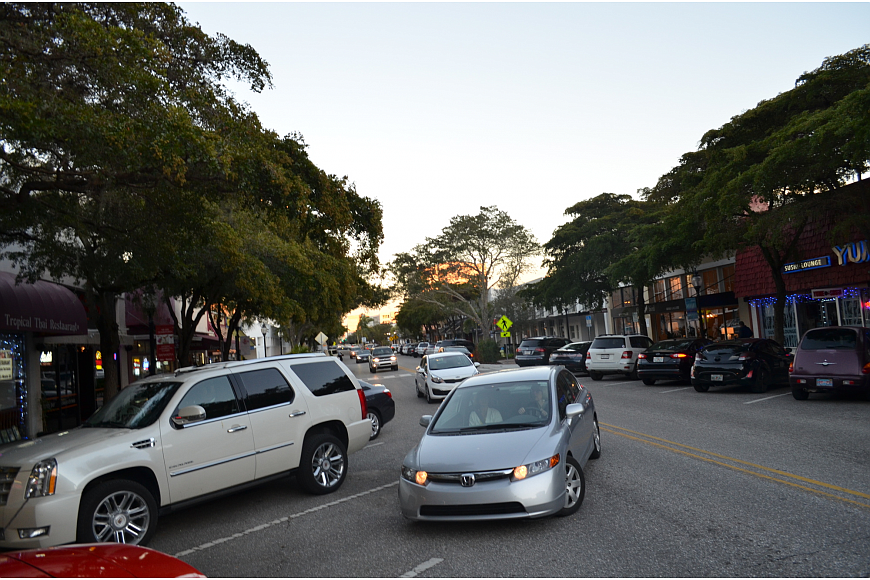
The city’s 2017-18 budget projects a deficit in the city’s parking management fund, requiring a $300,000 subsidy from the general fund.
Even after the subsidy, the fund is still budgeted to lose more than $400,000 this year.
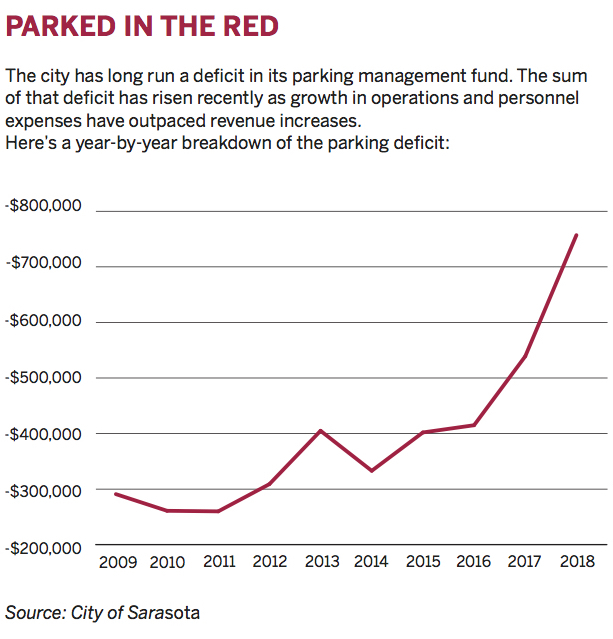
Absent any subsidy, the city would lose $740,000 on parking management in 2017-18, the largest parking deficit in the past decade. Since 2009, the city has lost at least $243,000 annually on parking before using subsidies to balance the expenses. Over that 10-year period, the pre-subsidy loss has topped $3.7 million.
The annual deficit has increased each year since 2014. Operating costs have more than doubled since then, and personnel costs have increased nearly 80%. The city attributes the rising costs to the maintenance and management of two downtown parking garages and a demand for an increased level of service.
Revenue has increased, as well. The city generated more than $900,000 in parking fines in fiscal year 2017, a 60% increase over the 2014 figure. Still, it isn’t keeping pace with spending. The 2017-18 budget includes more than $1 million in personnel expenses and nearly $900,000 in operating and capital expenditures.
City staff is conscious of the ballooning deficit. In 2016, Parking Manager Mark Lyons completed a comprehensive parking strategy that recommends paid parking downtown. The strategy touts other benefits of paid parking, but it also acknowledges its role as a revenue generator during a time when the city’s parking expenses are rising.
Even as some merchants and residents have mounted opposition to paid parking downtown, city staff has stressed the urgency of addressing parking losses. City Manager Tom Barwin said the general fund — used for public safety, physical environment, general government and cultural and recreation expenses — is a finite resource.
Dedicating money from that fund to parking is a conscious choice to not spend it elsewhere, he said.
“This entire conversation about paid parking has simply been about how to close that big looming budget deficit that’s pulling resources from other priorities in the city,” Barwin said.
Critics of a proposal to install parking meters on Main Street offer objections to the city’s arguments. For example: Couldn’t the city simply reduce its parking expenses, rather than raising revenue to offset rising costs?
There are 14 full-time and four part-time positions in the city’s parking division. The highest salaried position is the parking manager, at just more than $87,000 annually. Thirteen of the positions are attendant or enforcement jobs. Attendants are paid an average hourly rate of $15.32, and enforcement employees are paid an average hourly rate of $16.52.
Barwin pointed out that a reduction in parking personnel could lead to a reduction in revenue. Information provided by city spokeswoman Jan Thornburg highlighted the parking manager’s role in setting up a paid parking district on St. Armands Circle, which will offset the expenses of building a parking garage there.
The city is spending $776,384 in 2017-18 on expenses related to parking garages on State Street and Palm Avenue downtown. Although the city has instituted a pay-to-park system in garages during busy event weekends, Barwin said there is largely nothing done to offset the cost of staffing and maintaining those structures.
“We’ve been operating garages with this illusion that they’re free,” Barwin said. “Of course, they’re not free.”
Another parking meter critique cuts in the other direction. If the city did more parking enforcement, couldn’t it increase its revenues from people who violate regulations, rather than from average visitors?
Thornburg said that’s possible, but that an increase in enforcement could also change the behaviors of the public, leading to fewer violations. Both she and Barwin said there were drawbacks to issuing more tickets, too.
“More enforcement can also create a feeling of ill will with residents and visitors,” Thornburg said in an email. “Typically, receiving a $25 citation for a time restriction is much harsher than opting to pay a few dollars to park.”
The City Commission remains hesitant to institute a metered parking system downtown. In October, the board directed staff to research alternate methods for increasing parking revenue.
Barwin is optimistic about having a productive dialogue with merchants and residents about the reality of the city’s parking deficit. He said he’s open to considering options other than meters — as long as they identify other methods of raising parking revenue.
“If that’s the way the community wants to go, that’s great,” Barwin said. “Absolutely fantastic. But we can’t be in denial about this.”