- March 30, 2026

-
-
Loading
Loading
Their stories span multiple wars and countries. But they have one thing in common — patriotism. We spoke with six Longboat Key area veterans in honor of Veterans Day to hear their stories and memories.
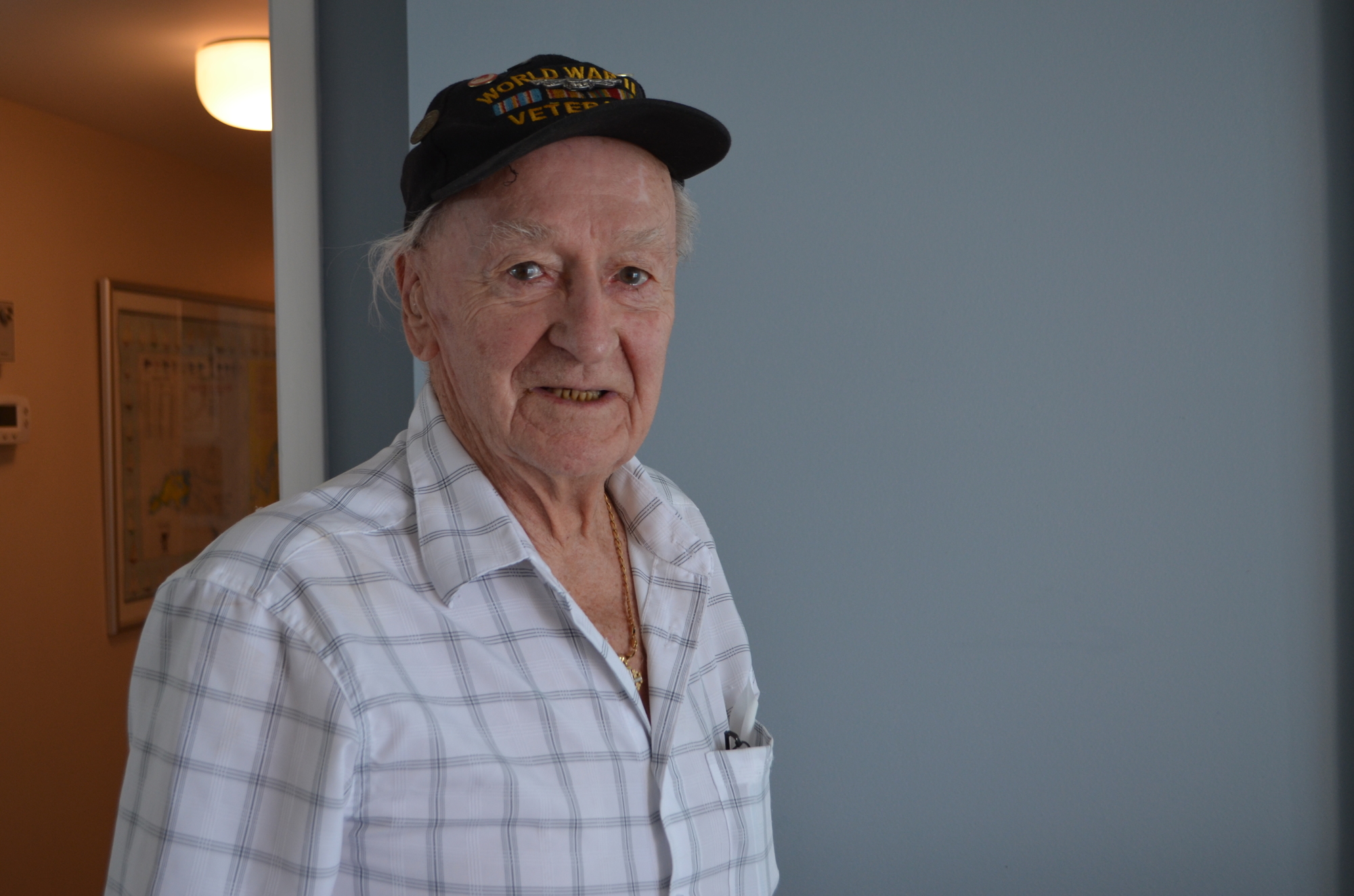
Bob German
Bob German was a young man during World War II, serving in the U.S. Navy aboard two submarines.
Now 92, he reflects on his time aboard the USS Angler and the USS Bluefish — submarines responsible for sinking numerous Japanese war ships, tankers and supply ships, while damaging several others.
He recalls his second patrol in the western Pacific Ocean when the crew volunteered to rescue survivors a guerrilla army was trying to save. He thought the sub would pick up 12 to 14 people. Fifty-seven people were brought aboard German’s sub. For 16 days and nights, the submariners and survivors shared the close quarters and sparse supplies. Two days before landing at Darwin, Australia, the men ran out of food and emergency supplies. Two planes arrived. One picked up the survivors and another came loaded with stores.
“One plane was loaded with fresh food for us,” he said. “All kinds of pastries, bakery (items), lots of beer and booze, so we partied for three days and headed for Fremantle, Australia, on the West Coast that was to be our base.”
It’s safe to say German never shirked his duty aboard either submarine.
“You know, patriotism is a state of mind, and there’s only one solution to it,” he said. “If you’re going to war, go to war to win.”
Ed Burton
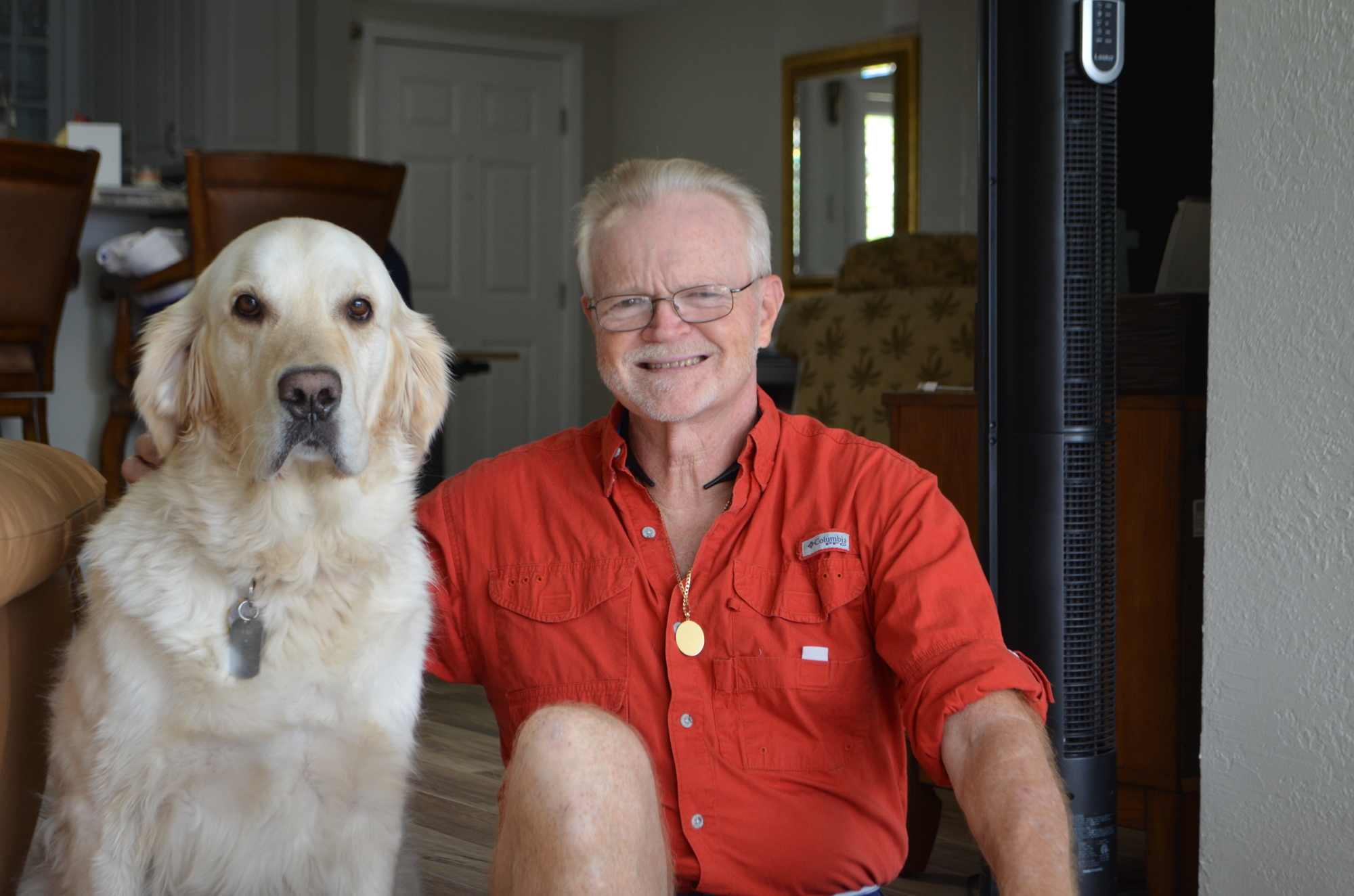
Ed Burton, 67, doesn’t go a week without dreaming of his time in the U.S. Navy. He served for 28 years, beginning in 1969.
He was in Vietnam and Panama, Grenada and the Gulf War during Operation Desert Storm. For him, it’s hard to explain what he saw to people at home. “American Sniper,” the book-to-movie adaptation of the life of U.S. Navy SEAL Chris Kyle, comes closest to explaining what war was like, he said.
“I think that comes pretty close to explaining the difficulty people have relating,” he said. “Where he has to take the shot of killing the child — how do you explain that to your family back home?”
Today, Burton has what doctors say is similar to optic neuritis. However, unlike most cases, the inflammation is believed to be a result of exposure to Agent Orange, a chemical defoliant used in Vietnam. Today, Burton gets around with help from his Southeastern Guide Dog-trained golden retriever, Sammy.
Looking back, he said he wants people to know one thing about being a veteran.
“You do touch people’s lives.”
Dominic Mazzarella
While Dominic Mazzarella was working out in the gym at Camp Victory in Baghdad, Iraq, a rocket attack caused eight large explosions, sending everyone into bunkers.
Unable to make it into the bunker, Mazzarella stood outside with Nigerian guards watching the attack.
“I said, ‘Screw it,’ and I just stood there,” he said.
After awhile, he asked if the Nigerian guards if they were worried. They told him “no,” because they faced much worse at home. Attacks of that sort were common during 2008, and if he wasn’t close to a bunker, he said, he would just lie down and wait it out.
Mazzarella served in the Army from 2003 to 2010.
He spent more than seven months in Iraq. Now, Mazzarella says the bad memories are easier to recall than the good ones, though he does recall the camaraderie and team building.
He thought enlisting was the right thing to do, though he understands that not everyone feels that way.
“I guess I’m old-fashioned in the sense that I have a sense of patriotic duty,” he said.
Harold Ronson
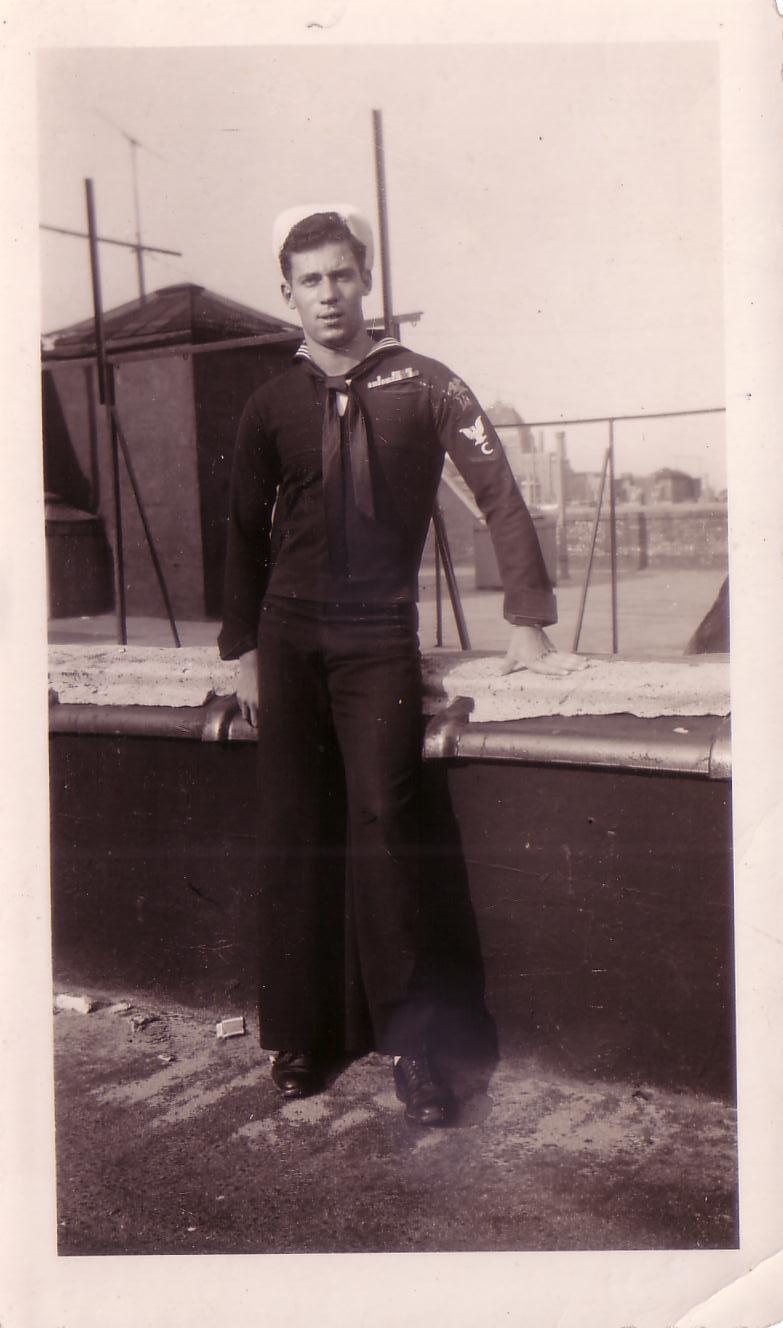
When Harold Ronson was 17, he and his friends walked past a Navy recruiting station and decided to enlist.
The recruiters told them they were too young, but the boys didn’t give up. They went to the restroom and penned notes supposedly from their parents asking the recruiters to accept their sons in the Navy. It worked, and they joined.
From 1944 to 1946, Ronson, 90, served in the Navy in the Philippines and Okinawa Island in Japan. He was there when the U.S. landed and launched the Battle of Iwo Jima. But that isn’t the memory that sticks out most.
In February 1945, Ronson was loading a machine gun when a friend was struck by a mortar fuse.
“I was next to him, and I got hysterical. And I never forgot it,” Ronson said. “(It’s like) it was last week.”
A few months later, on Ronson’s 18th birthday, he watched a Japanese plane drop a torpedo that raced under his ship and exploded on the nearby beach.
“But then everything else, I got away with not getting hurt,” he said.
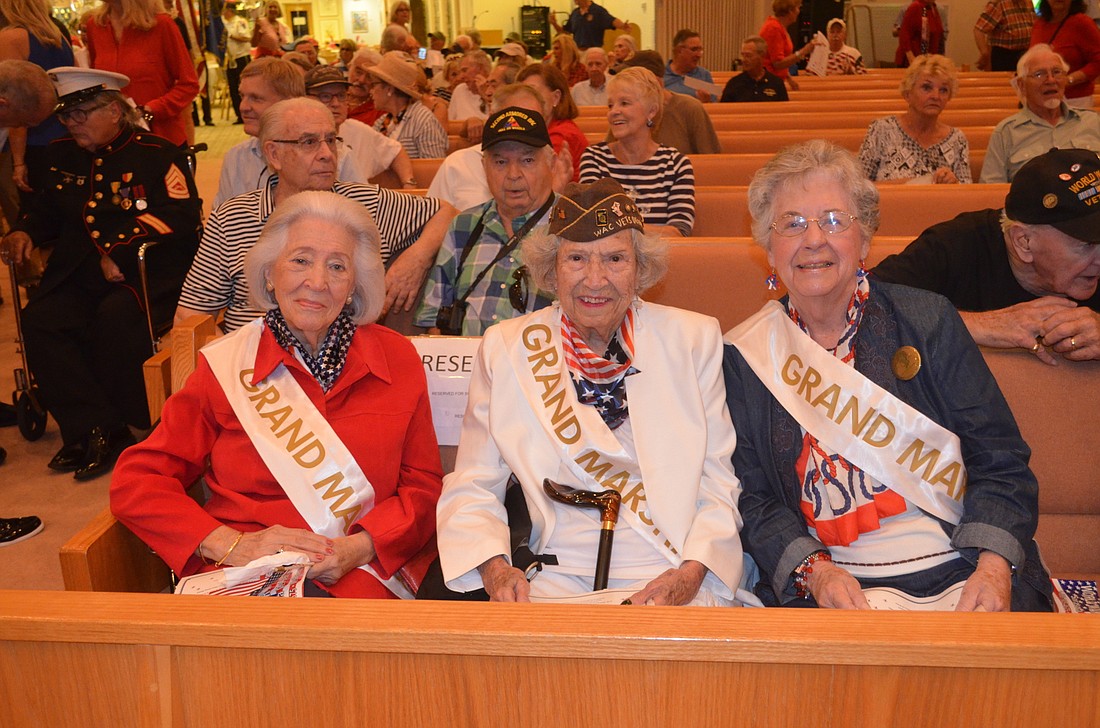
Evelyn Fresch, Shirley Beachum and Francey O’Brien
heirs is a story of coincidence.
It was two years ago that Evelyn Fresch’s children encouraged her to attend the Longboat Key Rotary Club’s Veterans Day Parade and Honor Program.
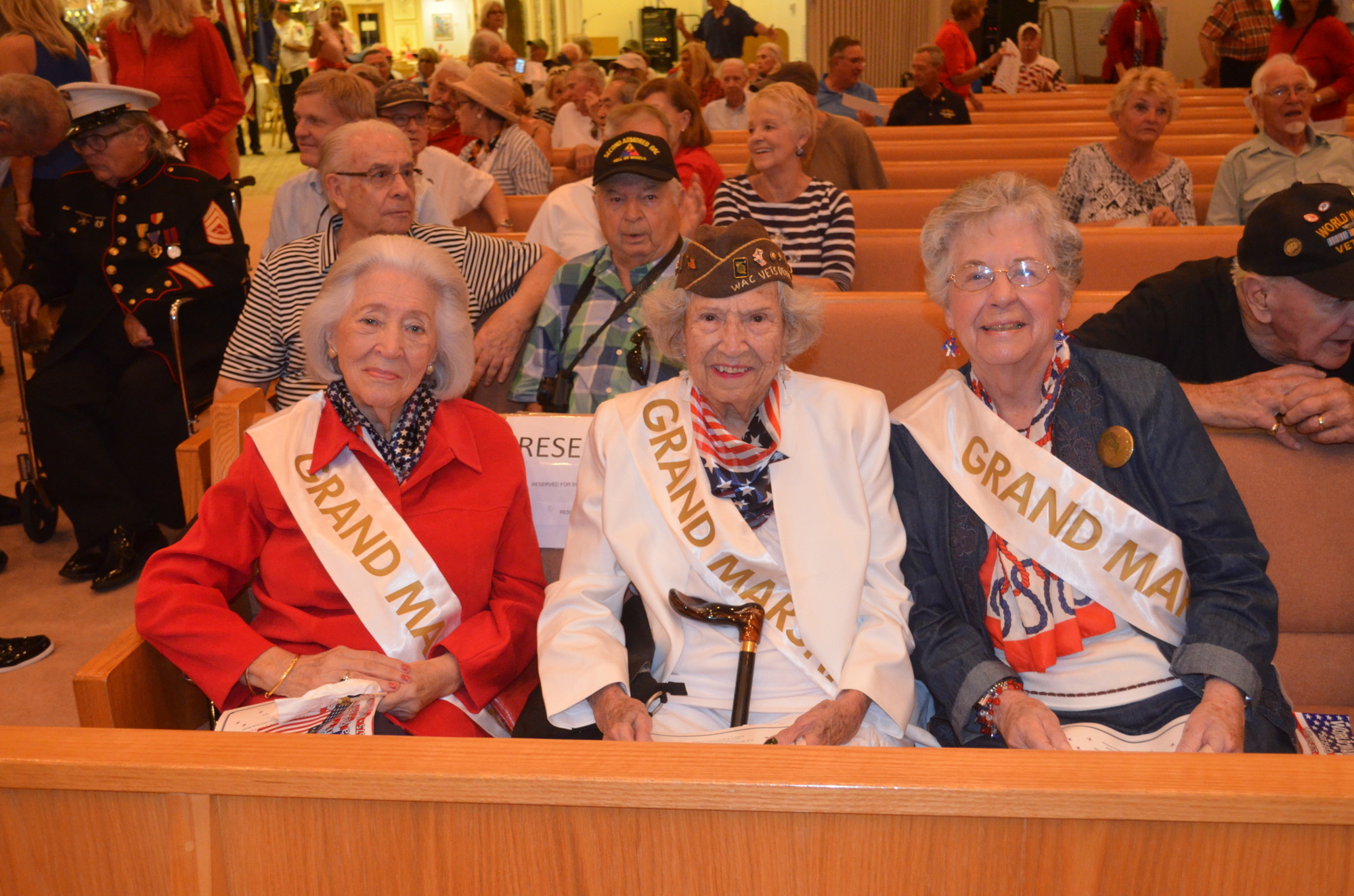
By chance, Fresch sat next to Shirley Beachum. They had no way of knowing, but the two, along with Francey O’Brien, had served in the Women’s Army Corps during World War II. Now, they all live on Longboat Key.
All 95 now, they served as the 2015 grand marshals. They try to meet monthly for lunch.
Fresch served in the Women’s Army Corps from 1942 to 1946 in Hawaii as a legal secretary. She didn’t want to go work in a factory, so she followed her brother’s lead and enlisted. It’s an experience, she said, that changed her life.
She met her future husband, Donald E. Fresch, while stationed in Hawaii.
Beachum served in the Women’s Army Corps from 1943 to 1945 in England, Germany and Colorado. She taught B24 pilots instrument flying. Beachum met her husband, a fly-boy named Grady Hunt, in Colorado. “I’m very glad I went into the service,” she said.
O’Brien wasn’t available for an interview.