- April 4, 2026

-
-
Loading
Loading
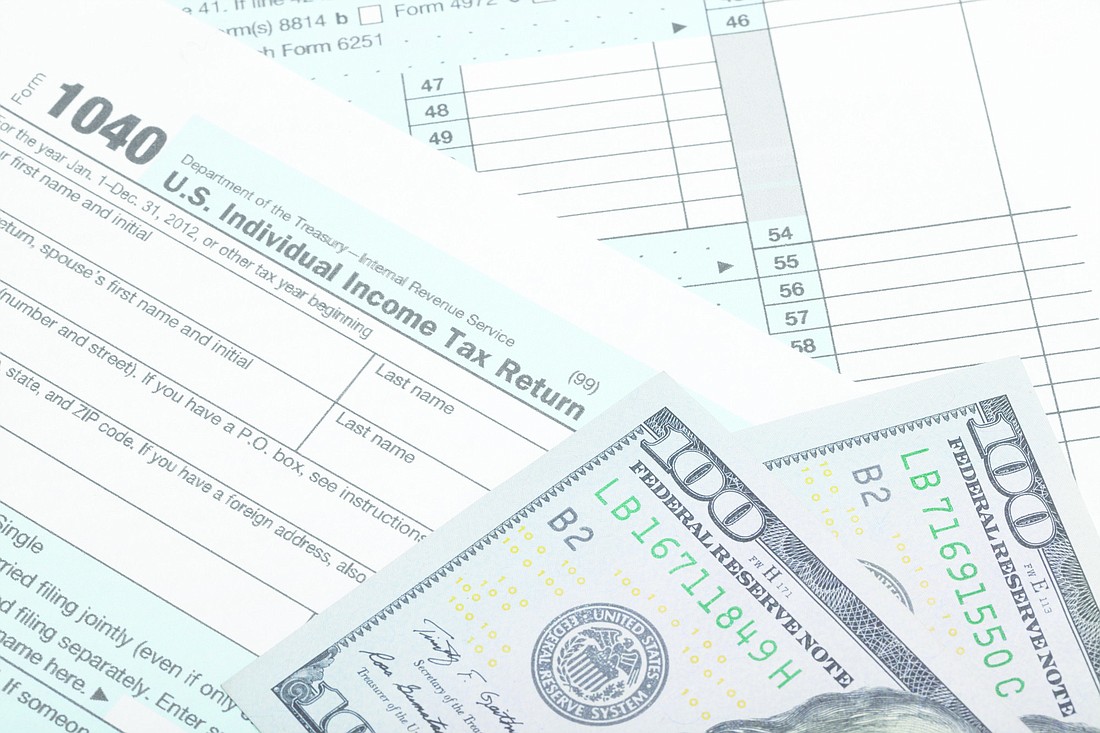
First, you get a robocall: The IRS wants payment, immediately, and police are on the way to your house.
That’s the normal script for a scam that’s become increasingly common on the Key and throughout the U.S. in recent years. The call is often preceded or followed by comparatively innocuous voicemails from people claiming to be federal employees urging the victim to return the call.
That’s how the scenario played out for Longboat Key resident Honey Mann, who was savvy enough to know something was amiss when she received the first call. She told the man, who identified himself as an IRS employee, that she knew it was a scam and hung up the phone. He called two more times claiming she owed money on a tax return from 2010.
“I called the IRS, and they said it’s common,” Mann said. “I’m aware enough that I won’t give out any information, but there’s a lot of elderly people out there who will.”
She said she knows at least one other person who was targeted, about whom scammers knew personal information, including the fact that she is widowed.
Victims of the scam are told they must pay what they allegedly owe through a preloaded debit card or wire transfer. If the victim refuses to cooperate, he or she is threatened with arrest, deportation or suspension of a business or driver’s license.
Longboat Key Police Detective Sgt. Robert Bourque said the scam has been on his radar for approximately two years.
Most reports the department receives are through emails or phone calls from citizens notifying police of the scam; few fill out police reports.
“A lot of people don’t report it to us,” Bourque said.
Police Chief Pete Cumming estimates his department receives approximately six calls a year about the scam, usually just as a heads-up.
Bourque refers citizens to the IRS website, which contains information about common scams.
As of January, the IRS had received reports of 896,000 contacts since October 2013 and at least 5,000 victims who have collectively paid more than $26.5 million, according to the website.
The IRS will send a letter in the mail or an agent to your home if you owe back taxes. Despite what scammers say, the agency does not accept phone payments.